
Microsoft has created Xbox XP, a centralized entertainment division for Xbox film, TV, products, theme park placements, live events, and brand partnerships. Here is what is confirmed, what is still unannounced, and what players should realistically expect.
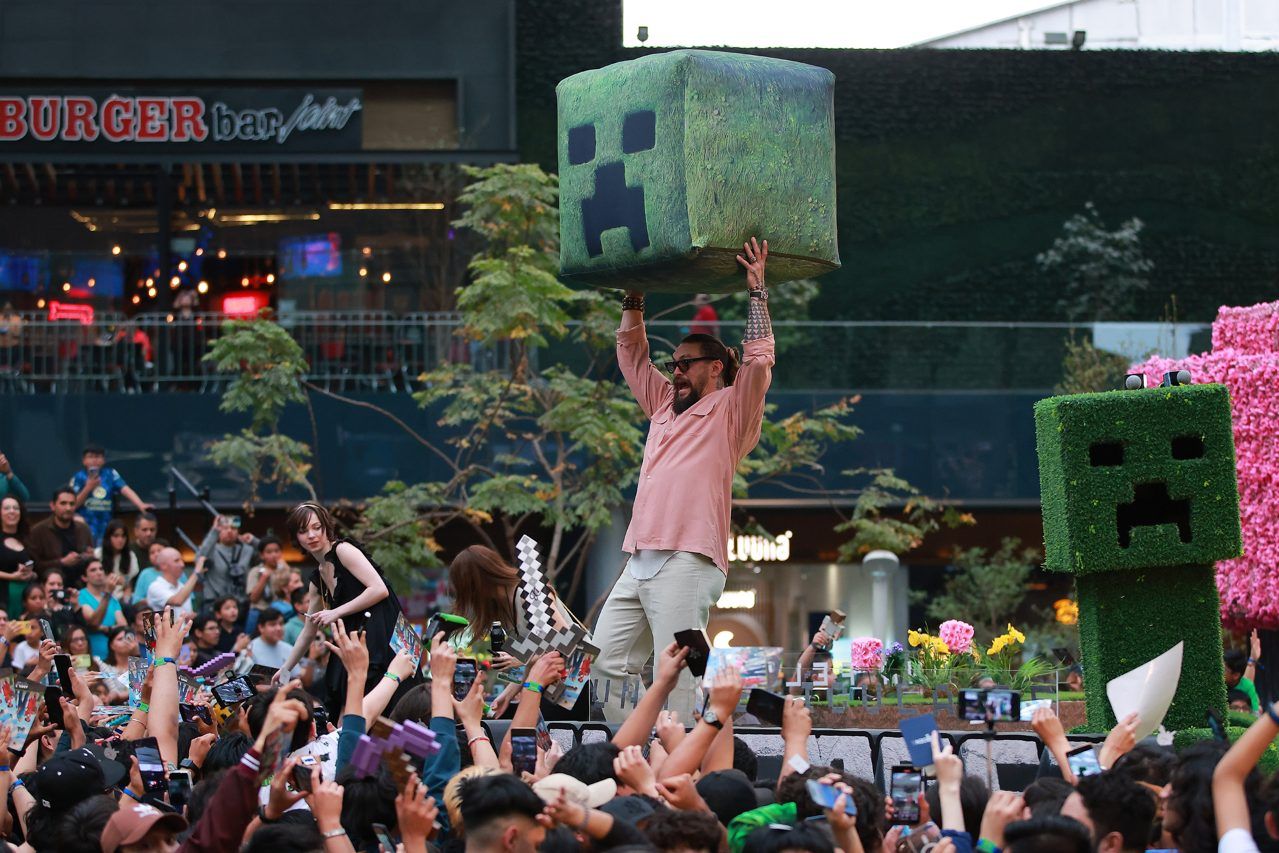
Image: pk.ign.com
Xbox XP centralizes the business around games without making games its only venue
Microsoft has created Xbox XP, a new division that will oversee Xbox film, TV, consumer products, live experiences, theme park work, sponsorships, and brand partnerships. The immediate tension is familiar: Xbox is expanding its franchises outside games again, years after the Xbox One-era entertainment push became a cautionary tale, but this time Microsoft is arriving with proven hits in hand and a much larger portfolio after its Activision Blizzard acquisition.
Variety reported that XP will be led by Kayleen Walters, the current president of Mojang and executive producer of A Minecraft Movie, who is moving into the role of president of XP. GamingBolt and The Verge both cite Xbox chief strategy officer Matthew Ball’s memo laying out four areas of investment: Xbox Pictures, Xbox Products, Xbox Places, and Xbox Partnerships. GamesIndustry.biz reports that Maria Angelidou-Smith, formerly Reddit’s chief product officer, will replace Walters as president of Mojang and Minecraft.
The announcement is less about Microsoft suddenly discovering Hollywood and more about putting work that already existed inside Xbox under one operating structure. The Verge describes XP as a centralized home for teams that were already handling films, adaptations, products, events, and partnerships. That distinction matters because the Xbox XP division is being framed as an organizing layer, not as a new internal studio that will independently make shows, run parks, and manufacture merchandise.
What XP actually is, and what it is not
Microsoft’s own framing, as quoted across Variety, The Verge, IGN, GameSpot, and GamingBolt, splits XP into four lanes. Xbox Pictures is the film, television, and linear storytelling arm. Xbox Products covers licensed goods and merchandise built around fandom. Xbox Places handles live events, immersive experiences, attractions, broadcasts, and destinations. Xbox Partnerships works with creators, brands, sponsors, and communities.
IGN makes one of the most important practical points: XP is not being presented as a production company. The plan is to find partners for film, TV, physical experiences, and consumer products. GamesBeat quotes Xbox as saying XP is about finding the right creative partners and expanding worlds beyond games with those partners. That suggests players should expect licensing, co-development, and franchise management, rather than a Microsoft-owned equivalent of a Hollywood studio turning every Xbox series into an in-house show.
That also changes the risk profile. Xbox can use external specialists for media and location-based entertainment while retaining strategic control over how its franchises are represented. Walters’ résumé fits that setup. GamesIndustry.biz notes that before Mojang she spent 13 years at Lucasfilm, eventually becoming vice president of franchise marketing and integrated planning, and also spent eight years overseeing franchise development at Microsoft. In strategy terms, XP is less a content factory than a coordination layer for IP, partners, products, and audience growth.
The timing is driven by Minecraft and Fallout, not nostalgia for Xbox TV
The easy comparison is Xbox Entertainment Studios, Microsoft’s 2012-era attempt to produce television programming for Xbox consoles. GameSpot notes that the earlier initiative was shut down two years later. GamesBeat also points to that history, along with the cancelled Paramount+ Halo television series after two seasons, as evidence that Xbox has failed in this space before.
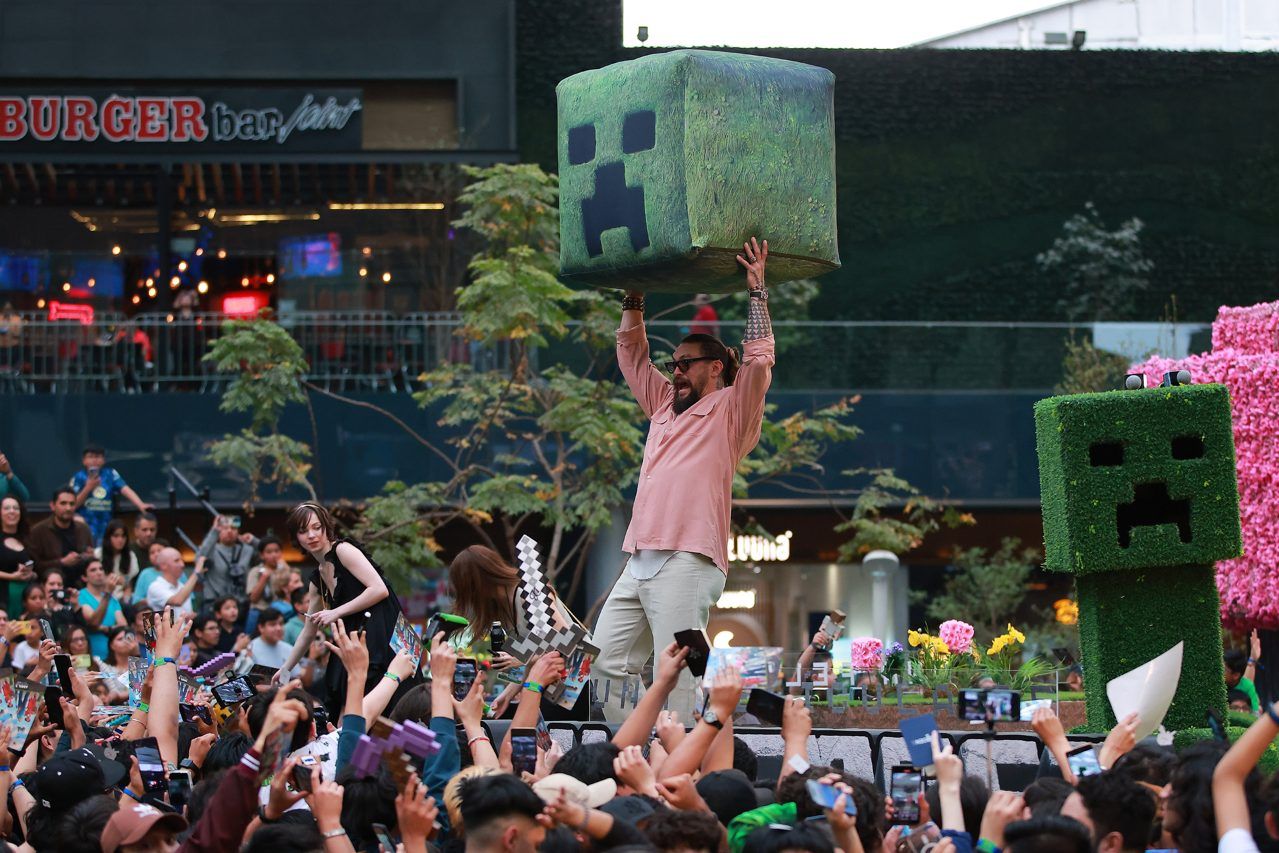
The difference in 2026 is that Microsoft can point to recent franchise adaptations that already moved the needle. GameSpot reports that Matthew Ball credited Walters’ tenure at Mojang with Minecraft growing from 350 million units sold to over 425 million, while A Minecraft Movie delivered the biggest opening weekend ever for a video game adaptation and finished number one at the domestic box office. GamesIndustry.biz reported that A Minecraft Movie generated $550 million after ten days in theaters and that a sequel has been greenlit for July 23, 2027. GamesBeat, citing Box Office Mojo, puts the film’s box office at $960 million for Warner Bros. last year.
Fallout is the other obvious data point. IGN describes Amazon’s Fallout show as a record-setting Prime Video success, and GamesIndustry.biz reports that the series helped drive increased sales of Fallout’s back catalogue. GamesBeat says Xbox noted that Fallout titles on Xbox Game Pass saw a five-times increase in hours played during Fallout Season One on Prime Video. GamesBeat also says Minecraft saw over a 75 percent year-over-year increase in weekly active users as of April 30, 2026 following the movie release.
Those figures explain Microsoft’s incentive. A successful adaptation can sell tickets, push streaming engagement, lift back-catalog play, revive dormant interest, and make merchandise easier to justify. For a platform holder that now owns Minecraft, Halo, Gears of War, Forza, The Elder Scrolls, Fallout, Warcraft, Diablo, Call of Duty, Candy Crush, and more, XP is an attempt to treat franchise attention as an economy that can circulate across screens, stores, events, and parks.
The film and TV slate is real, but not every IP has a green light
Players should separate the confirmed pipeline from the wish list. The sources name several projects already in development or announced. IGN and The Verge list Minecraft Squared, Fallout Season 3, a Call of Duty movie, and a Diablo animated series for Netflix among the Xbox-related adaptations ahead. GamingBolt also points to Gears of War films as part of the broader adaptation push. These are the kinds of projects Xbox Pictures is positioned to coordinate with outside partners.
There is also a Kojima Productions wrinkle, but it is easier to overread. GameSpot says Xbox rescued Hideo Kojima’s Physint project after Sony cancelled funding plans, and that the Xbox deal covers potential TV shows and movies. IGN similarly reports that Microsoft’s deal for Physint includes film and TV rights. What the provided sources do not confirm is an announced Physint adaptation, release window, cast, production partner, or format. The rights signal intent and optionality, not a finished slate.
The same caution applies to OD. GamingBolt says one might assume something similar is planned for OD, but that is presented as expectation, not an announced project. In buyer-guide terms, if you follow these franchises for games first, XP does not automatically mean faster sequels or guaranteed adaptations of every major series. It means Microsoft now has a formal structure to evaluate which projects can survive outside gameplay and which partners are credible enough to carry them.
Minecraft theme park plans show the scale, and the limits, of Xbox Places
The most concrete location-based example is Minecraft. GamesIndustry.biz reports that Minecraft World is set to open at Chessington World of Adventures in the UK in 2027, following a Microsoft deal with Merlin Entertainments announced in 2024. According to GamesIndustry.biz, Merlin is investing more than $110 million in two Minecraft-themed attractions. GameSpot also reports that the UK opening is planned for next year and will include themed food.
This is where expectations need calibration. GameSpot highlights Xbox CTO Scott Van Vliet’s post saying theme parks will be part of XP, and Matthew Ball’s statement that the Minecraft initiative is the “first of many theme park placements to come.” But GameSpot stresses the key wording: placements. That suggests Xbox franchises appearing inside existing parks, rather than Microsoft building a standalone Xbox theme park.
That interpretation fits the Nintendo comparison GameSpot draws. Nintendo’s major park presence sits inside Universal Studios parks, rather than in a separate Nintendo-owned resort. For Xbox, the near-term model appears to be branded areas, rides, hotels, food, events, and attractions created with operators that already understand foot traffic, safety, hospitality, and licensing. For players looking up Minecraft theme park Xbox plans, the practical answer is clear: watch Chessington in 2027, but do not assume a full Xbox park is on the way unless Microsoft announces one.
The strategic upside is obvious, but XP arrives during a difficult Xbox reset
XP’s launch also lands against a harsher backdrop. GamesBeat describes the new entertainment direction as a contrast to layoffs at Xbox game divisions that began in June and are expected to hit 3,200 jobs. The Verge places its XP coverage within its broader tracking of Xbox’s reset, layoffs, and studio changes. Microsoft can argue that great games remain central, as Ball does in the wording quoted by The Verge, but players and developers will reasonably watch whether franchise expansion competes with game investment or supports it.
There is a strong strategic case for XP if it feeds attention back into games. Fallout’s streaming bump, Minecraft’s movie-driven engagement, and the box-office success of A Minecraft Movie all support the idea that transmedia projects can strengthen the core business. The risk is that brand extension becomes a substitute for game cadence, quality control, or community trust. A movie can reawaken a franchise, but it cannot patch a live-service problem, shorten a development cycle by itself, or fix a weak game launch.
That is the meta shift to track. Microsoft gaming entertainment division planning now has to balance IP as a long-term portfolio rather than a collection of separate releases. The healthiest version of XP gives studios stronger partners, better licensing support, cleaner brand oversight, and new audiences who arrive at the games. The weaker version would chase visibility without enough respect for why players cared in the first place. Asha Sharma’s internal message, quoted by GamesIndustry.biz, acknowledges that challenge by saying Walters knows how to build experiences with the industry without losing what made people care about a franchise.
What players should realistically expect next
For now, players should expect announcements around partners, formats, dates, and locations rather than a sudden flood of finished projects. The confirmed XP structure covers Xbox movies and TV, consumer products, places, and partnerships, but the sources do not provide new release dates beyond the projects already public, such as Minecraft World’s 2027 opening at Chessington and the Minecraft movie sequel date reported by GamesIndustry.biz.
The next practical signals will be specific. For film and TV, look for named studios, streamers, directors, writers, cast, production status, and release windows. For parks and attractions, look for operators, host parks, cities, opening seasons, and whether a project is a temporary activation or permanent installation. For merchandise and brand partnerships, look for whether products serve existing communities or simply attach a logo to unrelated goods.
XP gives Microsoft a cleaner machine for moving Xbox franchises into the wider entertainment market. It does not guarantee that every adaptation will work, that every dormant series will return faster, or that every brand project will feel authentic. The reasonable expectation is a more coordinated Xbox presence across film, TV, parks, products, live events, and creator partnerships, with Minecraft and Fallout serving as the early proof points and the older Xbox Entertainment Studios failure serving as the warning label.