

Katsuhiro Harada criticized Xbox Series S at a Seoul developer panel. Here is what he actually said, why Series S optimization remains divisive, and how seriously players should take it.
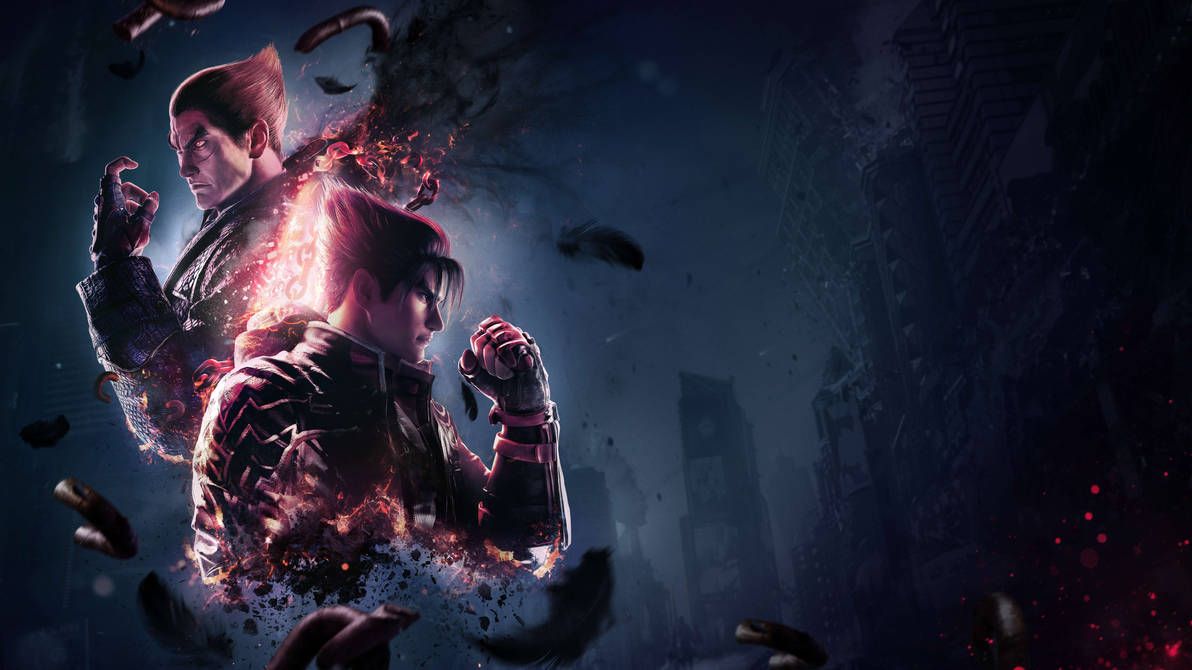
Image: centralxbox.com.br
Harada aimed directly at Xbox Series S in front of Xbox staff
Katsuhiro Harada used a developer panel in Seoul to make an unusually direct complaint about Xbox Series S, saying he wished hardware like Microsoft’s lower-powered console “wouldn’t be released,” according to English translations of the event published by Inven Global and reported by VGC, Eurogamer, Kotaku, and IGN.
The exchange happened during a Console Game Developers Conference session moderated by former Sony executive Shuhei Yoshida. The panel included Harada, CD Projekt Red associate game director Paweł Sasko, Shift Up CTO DongKi Lee, Too Kyo Games CEO Kazutaka Kodaka, and Ludeon Studios CEO Tynan Sylvester, according to the same reports. VGC identifies Harada as the former Tekken boss and head of VS Studio.
Harada first framed consoles as a practical win for fighting games. Per VGC and Eurogamer, he said fighting game tournaments benefit from standardized console hardware because it is easier to run 100 to 500 consoles at an event than to prepare the same number of PCs with identical specifications. That is a very Tekken way into the subject: in competition, consistency matters. Then he pivoted to the console he sees as breaking that clean setup for developers.
“Since a senior Xbox official is actually in attendance here today, I wish hardware like the Xbox Series S wouldn’t be released,” Harada said, according to Inven Global’s translation quoted by multiple outlets. The line drew attention because it was both public and specific. This was not a vague complaint about optimization. It was the Tekken boss Xbox Series S argument stated in the room where an Xbox representative was reportedly present.
His complaint was about workload, memory, and player expectations
Harada’s core point was not simply that Series S is weaker than Series X. His sharper complaint was that it is close enough to Series X in branding and platform policy that players expect comparable results, while developers still have to account for meaningful hardware limits.
After asking Sasko whether he was “upset inside” because of Series S, Harada heard a more diplomatic answer. Sasko reportedly laughed and said the console “constantly throws challenges at us and forces us to optimize our code very cleanly,” according to Inven Global translations cited by VGC, Eurogamer, Kotaku, and IGN.
Harada responded by calling that a polite way to say “Xbox Series S sucks,” then explained where he sees the production problem. “Low memory is an issue, but the hardest part is that it’s a device so similar to Series X while having awkwardly lower performance,” he said, according to the same translated panel remarks.
That distinction matters. Developers routinely scale games across different hardware. Harada contrasted Xbox Series S with Switch 2, saying that when teams port to Nintendo’s platform they can treat it as “a distinct device for Nintendo fans.” With Xbox, in his view, the team has already delivered its best output and then has to do extra work for “a slightly weaker child.”
He also put pressure on the audience side of the equation. Harada said that in markets such as the United States, there are more Series S users than Series X users, so developers “can’t just cut corners.” When texture resolution or other visible differences show up, he argued, Series S players tend to complain to developers rather than Microsoft. That is Harada’s interpretation of where the blame lands, not a platform-holder statement from Microsoft.
Series S optimization is contentious because parity changes the job
The broader Xbox Series S development argument has been running through this console generation because Microsoft sells two current-generation Xbox models with different performance targets. IGN reports that Microsoft requires games to launch on both Xbox Series X and Series S, with main feature parity across the two versions. BigGo’s summary of the issue makes the same point, describing Microsoft’s requirement that games ship on both Xbox models with feature parity.
That policy is the pressure point behind the Katsuhiro Harada Xbox comments. If a studio wants to release on current Xbox hardware, the cheaper console cannot be treated as optional. A developer may lower resolution, texture quality, or other settings, but the central game still has to function on Series S if it is coming to Xbox under that model.
IGN cites Baldur’s Gate 3 as a high-profile example of the friction. According to IGN, Larian’s RPG came to Xbox a few months late and required help from Microsoft engineers to get split-screen co-op working on Series S. IGN also points to the developer of Wardogs saying Series S limitations had stopped it from adding certain things to that game, while also acknowledging benefits from working to very low-end hardware.
That is why Series S optimization remains such a live topic. For players, a cheaper console expands access. For developers, it can turn one Xbox SKU target into a more complicated engineering problem. For publishers, the Series S install base can be too large to ignore. Harada’s complaint sits exactly in that bind: the audience is important, the platform rule matters, and the technical ceiling is lower.
Sasko gave the counterhit: hard optimization can improve every version
The panel did not leave the Series S argument one-sided. Sasko, who is associated with Cyberpunk 2077 and CD Projekt Red, offered the most important counterpoint reported from the session. Eurogamer says he agreed that many players may lack the full technical context behind Series S weaknesses, but argued that optimizing for weaker hardware can make games run “significantly better” across all platforms.
Eurogamer also reports that Sasko pointed to Cyberpunk 2077 optimization work done for the Switch 2 version being applied to all platforms “to great effect.” That example matters because it reframes the Series S burden as an engineering discipline problem rather than pure waste. If code gets cleaner, memory use improves, and bottlenecks are exposed, the benefits can travel beyond the weakest machine.
Sasko also raised the affordability argument. Per Eurogamer and Kotaku’s account of the panel, he said the lower price of Series S allows developers to reach more players and expand the market. That is the business side Harada’s frustration has to share space with. A lower-spec console can cost teams time, but it can also bring in an audience that may never buy the more expensive model.
For competitive players, this is the familiar trade: the harder route in training can sharpen the whole kit, but only if the gains justify the grind. Sasko’s position is that the optimization grind can pay out across platforms. Harada’s position is that the extra match-up exists because the hardware target was awkwardly designed.
How much weight to give Harada’s criticism
Readers should take Harada seriously as a veteran developer with deep console and arcade-adjacent fighting game experience, but not treat his comments as proof of a specific Tekken technical problem or an industry consensus.
What is confirmed by the reports is the panel exchange: Harada criticized Xbox Series S publicly, identified low memory and lower performance relative to Series X as problems, and argued that developers take the heat when Series S versions look worse. It is also confirmed by the same reports that Sasko answered with a more balanced view, saying the console creates optimization challenges while also pushing cleaner code and broadening access through price.
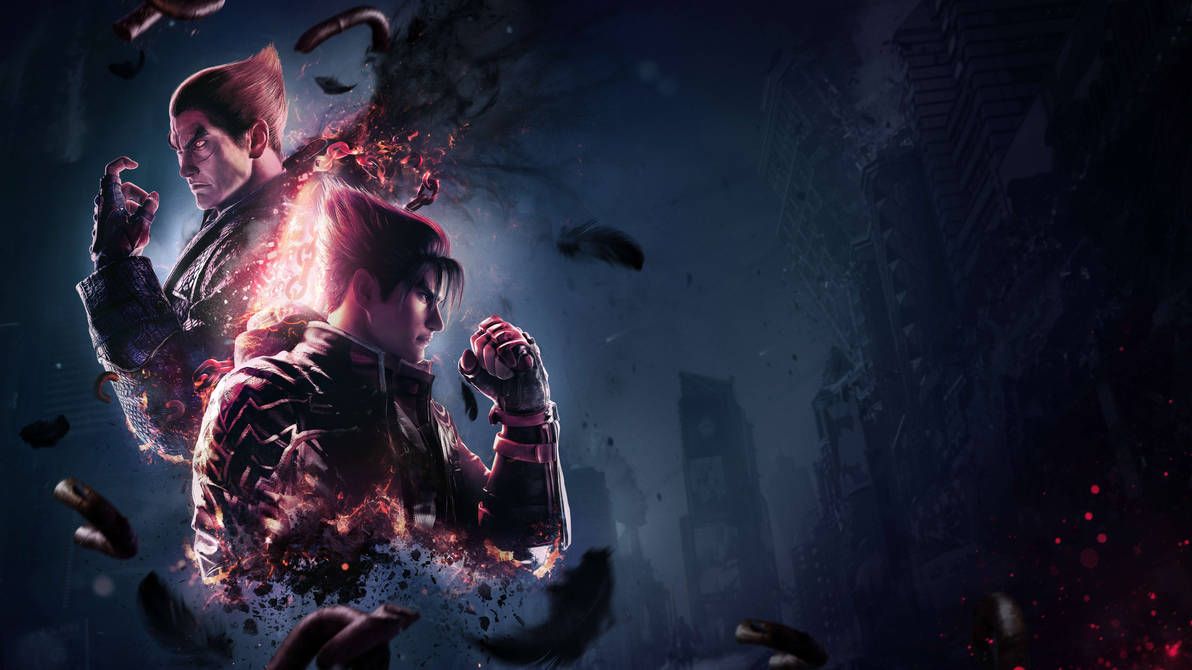
What is not confirmed in the provided source material is any new Microsoft policy change, any new Tekken platform problem, or any evidence that Tekken 8 is currently compromised by Series S. The required image for this piece references Tekken 8, and Harada is historically tied to Tekken, but the panel discussion as reported was about console development broadly rather than a newly announced Tekken patch, delay, or port issue.
Harada’s wording also deserves context. Multiple outlets describe laughter around the exchange, and IGN notes his reputation for speaking colorfully. That does not erase the substance of the complaint, but it should stop readers from reading the quotes as a formal studio position paper. This was a veteran director pressing a sore technical and business issue in public, using language built to land.
For players, the practical takeaway is patience with platform comparisons
If you own an Xbox Series S, Harada’s comments do not mean your console is being abandoned. In fact, his own complaint assumes the opposite: he said developers cannot cut corners because Series S users are numerous, especially in markets like the U.S. as he described it. The tension exists because the platform has to be supported, not because it can be ignored.
If you are choosing between Series S and Series X, the reported discussion reinforces the obvious performance hierarchy without adding a new buyer panic. Series X remains the stronger machine. Series S remains the cheaper entry point. The tradeoff is that some games may show lower texture resolution or other visual compromises on Series S, and developers may have to spend extra time making those versions work well. Harada specifically used texture resolution complaints as an example of frustration landing on studios.
For fighting game players, the key question is still the one that decides matches: does the version run reliably enough for the environment you play in? Harada’s panel remarks support the idea that standardized console hardware is valuable for tournaments, but the sources do not provide new Tekken performance data by platform. Until a developer, publisher, technical analysis outlet, or patch note says otherwise, players should not turn this exchange into a claim that any current Tekken version is broken on Series S.
The Xbox Series S Harada controversy is useful because it exposes the real push and pull behind current console development. Developers want fewer awkward constraints. Platform holders want wider access and a unified ecosystem. Players want the cheaper box to feel like part of the same generation. Those goals can coexist, but Harada’s complaint is a reminder that someone has to do the optimization work that keeps them from colliding.