
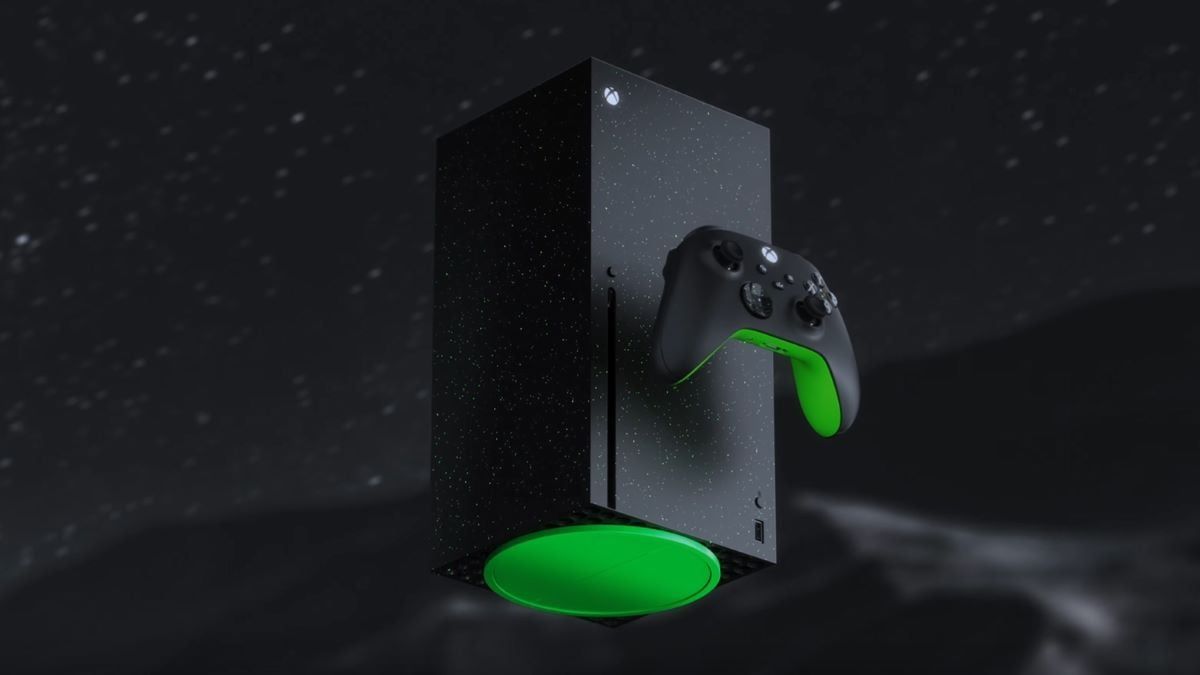

A new report says Xbox Project Helix is targeting holiday 2028 and could cost $1,200 to $1,800 without subsidies. Here is what that would mean for buyers if Microsoft treats the next Xbox like premium PC hardware.
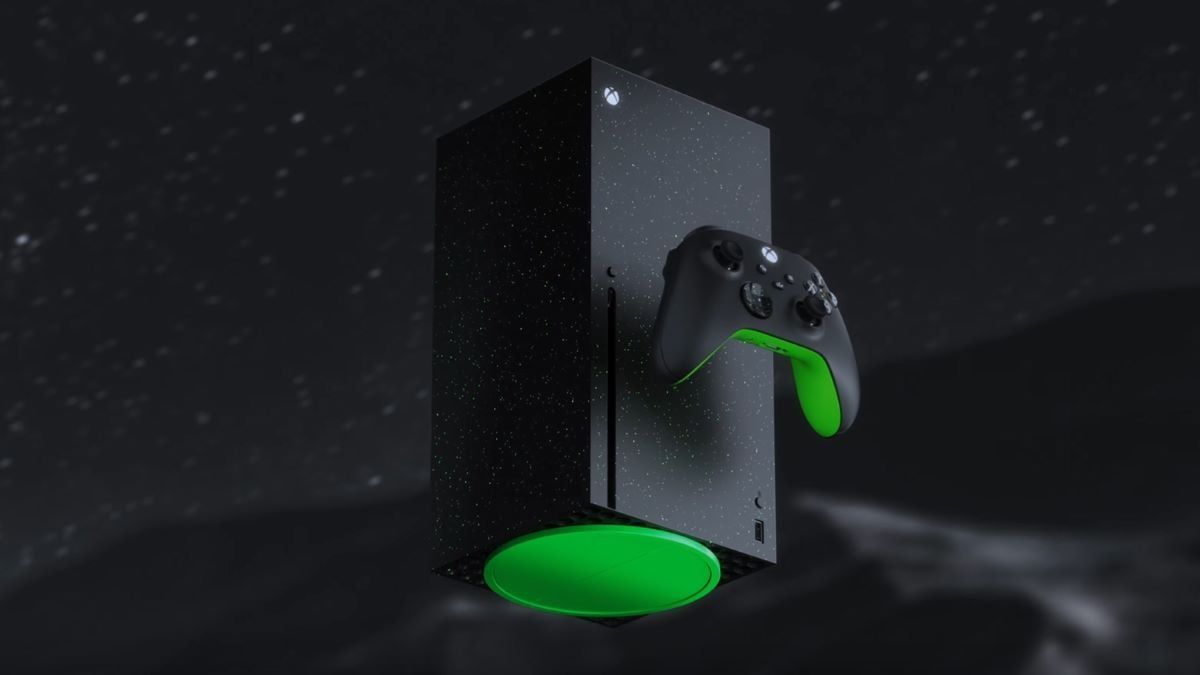
Image: dotesports.com
Xbox Project Helix is reportedly moving toward 2028 with a PC-priced problem
Xbox’s next console, codenamed Project Helix, is reportedly targeting the 2028 holiday season and has internally been projected at a consumer price between $1,200 and $1,800 unless Microsoft chooses to subsidize it. That claim comes from Fortune’s profile of Xbox CEO Asha Sharma, cited by Video Games Chronicle, Kotaku, Polygon, Wccftech, ScreenRant, ComicBook, and The Game Post.
That is the strongest new development here, and also the tension Microsoft has not yet resolved publicly. Microsoft has confirmed plans for a next-generation Xbox that will run both Xbox and PC games, according to VGC’s earlier reporting from GDC, but it has not announced a retail price, a final launch date, the hardware specification, or a subsidy plan. The $1,200 to $1,800 range is therefore a reported internal projection, not an MSRP.
If Fortune’s reporting reflects the live planning range, the next Xbox price report lands in a market that has already moved away from the clean $399 to $599 console ladder many buyers still expect. Polygon notes that Microsoft has positioned Project Helix as a “very premium, very high end” device closer to a powerful gaming PC than a traditional living room box. That framing changes the comparison set. A $1,200 Xbox Project Helix price would be expensive for a console but could be pitched against gaming PCs and premium handheld-PC ecosystems. A $1,800 ceiling would push the machine into luxury territory for a dedicated home console buyer.
The caveat matters. Fortune’s quoted language includes “unless Microsoft decides to subsidize the cost.” That one clause is the fork in the entire strategy. With subsidies, Project Helix could arrive below its internal projected consumer cost and Microsoft could try to recover money through software, subscriptions, accessories, storefront fees, and services. Without meaningful subsidies, the next Xbox 2028 cycle would ask buyers to pay something much closer to the real hardware cost up front.
A 2028 target slows the next-gen clock, but it also raises the stakes
Fortune’s report, as summarized by VGC, says Microsoft’s gaming arm is planning a “next-generation handheld device” for the 2027 holiday season and the next Xbox console for the 2028 holidays. Wccftech frames that as a later timeline than some earlier hardware rumors that pointed to 2027 for both Microsoft and Sony’s next home consoles, while Polygon similarly says the report places Project Helix later than previously expected.
The practical read for buyers is simple: nothing in the provided source material supports waiting for a next Xbox console in 2026 or 2027. If the Fortune timeline is accurate, the home console is a holiday 2028 product, with a handheld arriving first. That handheld could become the first real test of Microsoft’s next-generation hardware thinking, especially if it shares the software philosophy or compatibility goals associated with Helix.
A later launch can help Microsoft avoid rushing into the worst version of the component market, but it also means the company has to sustain Xbox hardware relevance for two more holiday cycles before the main console arrives. VGC reports that Microsoft recently raised Xbox Series S and X prices by up to $150, and Kotaku says Xbox has had trouble keeping existing Series X/S consoles stocked despite large price increases over the previous 12 months. Those are not ideal conditions for a platform holder trying to convince players to stay patient.
There is also a software pipeline question. Microsoft has said the next-generation console will run both “Xbox and PC games,” according to VGC. If developers are receiving hardware starting next year, as VGC reports Microsoft said at GDC, the company may be trying to build a smoother bridge from today’s Xbox ecosystem to a hybrid console-PC platform. The release window gives that plan time to mature. It also gives competitors, PC handheld makers, and cloud services time to pull at the same customers.
The $1,200 to $1,800 range only makes sense if Helix is judged against PCs
The reported Xbox Project Helix price range is shocking because console buyers still think in console generations. Microsoft appears to be trying to change the category. Polygon says Microsoft has described Project Helix as a premium, high-end device comparable to a powerful gaming PC, and VGC reports that Microsoft has confirmed the next console will run Xbox and PC games. Those two confirmed or reported elements explain why internal projections could land far above historic Xbox pricing.
From a buyer’s perspective, the value equation would depend on what “PC games” means in practice. The source material does not provide technical specifications, storefront details, upgradability, operating system confirmation, or performance targets. It does not say whether Helix would function like a closed console that also supports selected PC titles, a living-room PC with Xbox services layered on top, or something between those models. Until Microsoft defines that, the $1,200 to $1,800 range tells us less about performance than about ambition and cost pressure.
The low end of the reported range, $1,200, could be compared with premium handhelds, compact gaming PCs, and high-end console bundles. Polygon points to Microsoft and Asus releasing the Xbox Ally handheld in October 2025 in two versions, a $600 Xbox Ally and a $1,000 Xbox Ally X, and says that device was reportedly “essentially an early version of what the next Xbox is going to be like.” If Helix inherits that PC-adjacent DNA, Microsoft may argue that buyers are not choosing between Helix and a normal console, but between Helix and a full gaming PC setup.
The high end is much harder. An Xbox $1800 console would ask buyers to accept PC pricing without knowing whether they get PC-like flexibility. If Microsoft limits stores, upgrades, mods, or repairability in the way console ecosystems traditionally do, a near-$2,000 price would be a brutal sell. If it opens enough of the PC library and keeps the console benefits of simplicity, stable performance targets, and living-room convenience, it becomes a niche premium play rather than a mass-market replacement for Series X.
Subsidies are the strategic lever Microsoft cannot avoid
Kotaku quotes former Xbox boss Phil Spencer saying in 2022 that consoles are sold at a loss and that Microsoft subsidized an Xbox purchase by roughly $100 to $200, expecting to recoup that investment through accessories and storefront sales. That historical model is central to understanding the new report. A $100 to $200 subsidy can soften a normal console price. It cannot magically turn an internally projected $1,800 machine into a mainstream $499 box unless Microsoft accepts a far larger loss per unit or strips the hardware plan down.
This is where the strategy gets uncomfortable. A platform holder usually subsidizes hardware because a larger install base creates future revenue. Players buy games, subscribe to services, purchase controllers and headsets, and spend through the platform storefront. Kotaku notes that this upside shrinks if the console install base struggles to grow, as Xbox’s has during the current console generation. In other words, the worse the hardware base looks, the harder it is to justify a massive subsidy. But the less Microsoft subsidizes, the smaller the audience for a premium console may become.
Fortune also reportedly says Microsoft is planning to overhaul Xbox Game Pass by letting players choose features à la carte, including add-ons for cloud gaming and multiplayer. VGC and Wccftech both cite that part of the profile. That kind of subscription restructuring would fit a company trying to align services with higher hardware costs, but it could also create confusion for buyers who already treat Game Pass as part of Xbox’s value pitch.
For console buyers, the subsidy question is more important than the top-line price leak. If Microsoft subsidizes aggressively, Helix may still be expensive but positioned as a premium console with an ecosystem lock-in bet behind it. If Microsoft does not subsidize heavily, it is effectively asking the customer to carry the cost of the next generation at checkout. That would shift the Xbox upgrade decision from “which console do I buy?” toward “do I want a Microsoft-controlled gaming PC alternative?”
Component costs explain the pressure, but they do not solve the sales pitch
The reports consistently point to rising hardware costs as the pressure behind the projected price. VGC says the Helix projections align with warnings from analysts and insiders about next-generation console pricing amid global component shortages that have driven up consumer electronics costs. It also cites a separate claim that PlayStation 6 storage and memory components alone will cost Sony “over $680” per console. Kotaku similarly connects the affordability challenge to memory and storage supply pressure from the AI race.
Those component details matter because they suggest this is not only an Xbox-specific problem. If memory, storage, and other parts stay expensive into 2027 and 2028, all console makers have fewer clean options. They can raise prices, cut specifications, delay, subsidize, change business models, or build premium devices for narrower audiences. None of those choices are painless.
Still, cost pressure is not a sales pitch. A buyer does not pay $1,500 because RAM was expensive for Microsoft. A buyer pays that if the box delivers a compelling performance, library, convenience, and ownership story. That is the unanswered part of Project Helix. Microsoft has one strong confirmed message, according to VGC: the next console will run Xbox and PC games. That could be the differentiator if it is broad, reliable, and simple. If it is narrow or messy, the price dominates the conversation.
There is also reported internal friction over software. Fortune, via VGC and Polygon, says Xbox has clashed with Windows leaders over what software Project Helix or the related handheld should run. The Windows side reportedly wanted a trimmed-down version of Windows Home for the upcoming handheld, while Sharma’s team wanted to build and control its own software to get better gaming performance. That debate cuts to the heart of the device. A standard Windows base can bring compatibility, but can also bring overhead and interface baggage. A custom Xbox-controlled layer can improve console feel and performance focus, but may limit the PC promise if Microsoft gets too restrictive.
For buyers, the smart move is to treat Helix as unannounced premium hardware
The confirmed facts are limited. Microsoft has confirmed a next-generation Xbox effort that will run Xbox and PC games, according to VGC’s GDC reporting. Fortune, as cited across multiple outlets, reports a 2027 holiday handheld plan, a 2028 holiday console target, and an internal $1,200 to $1,800 consumer projection unless Microsoft subsidizes. Microsoft has not announced final Project Helix pricing, specifications, launch markets, performance targets, subscription requirements, or whether there will be multiple models.
That means no one should treat the Xbox Project Helix price as final. Internal projections can change as component pricing moves, hardware scope changes, manufacturing deals close, or leadership chooses a subsidy target. The reported range is useful because it tells buyers where Microsoft may be planning from, not because it locks in the sticker at launch.
If you are choosing hardware now, the report argues against freezing your plans for a near-term Xbox successor. A holiday 2028 console target leaves a long runway. Current Xbox Series consoles, PC, PlayStation, Switch hardware, and handheld PCs will all go through multiple pricing and software cycles before Helix arrives. Waiting only makes sense if you are specifically trying to avoid buying into current-gen Xbox hardware late in the cycle and can comfortably sit out for two years.
If you are budgeting for the next generation, the safer assumption is that premium console pricing is becoming real. A $1,200 Xbox would already mark a major shift. A $1,800 Xbox would be a different kind of product, aimed at players who want a high-end Microsoft gaming box and are willing to pay PC-class money for it. Whether that becomes a smart buy depends on details Microsoft has not shared yet: how open the PC game support is, how Game Pass changes, how multiplayer and cloud features are priced, what the handheld does first, and whether Microsoft chooses to absorb enough hardware cost to keep Helix within reach of normal console households.
From a strategy view, Project Helix looks like Microsoft testing whether Xbox can escape the old console-margin trap by becoming a premium hybrid platform. The risk is equally clear. If the price lands near the upper end and the benefits feel abstract, the next Xbox 2028 launch could narrow the audience before the generation even begins.