
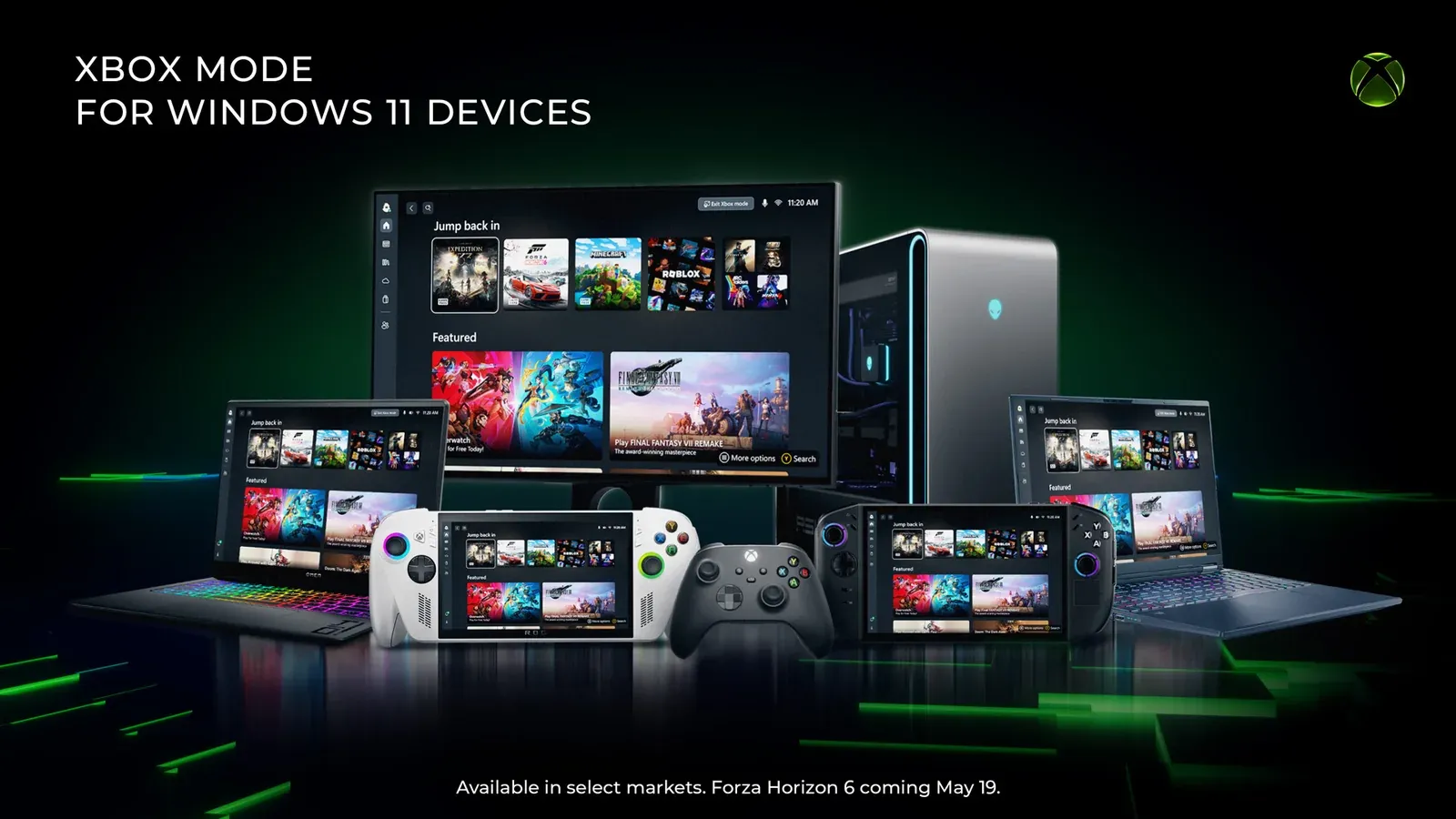

A reported early Xbox Project Helix plan would have dropped paid online multiplayer and leaned into PC storefronts, but Microsoft’s newer console-first messaging leaves the biggest question unresolved.
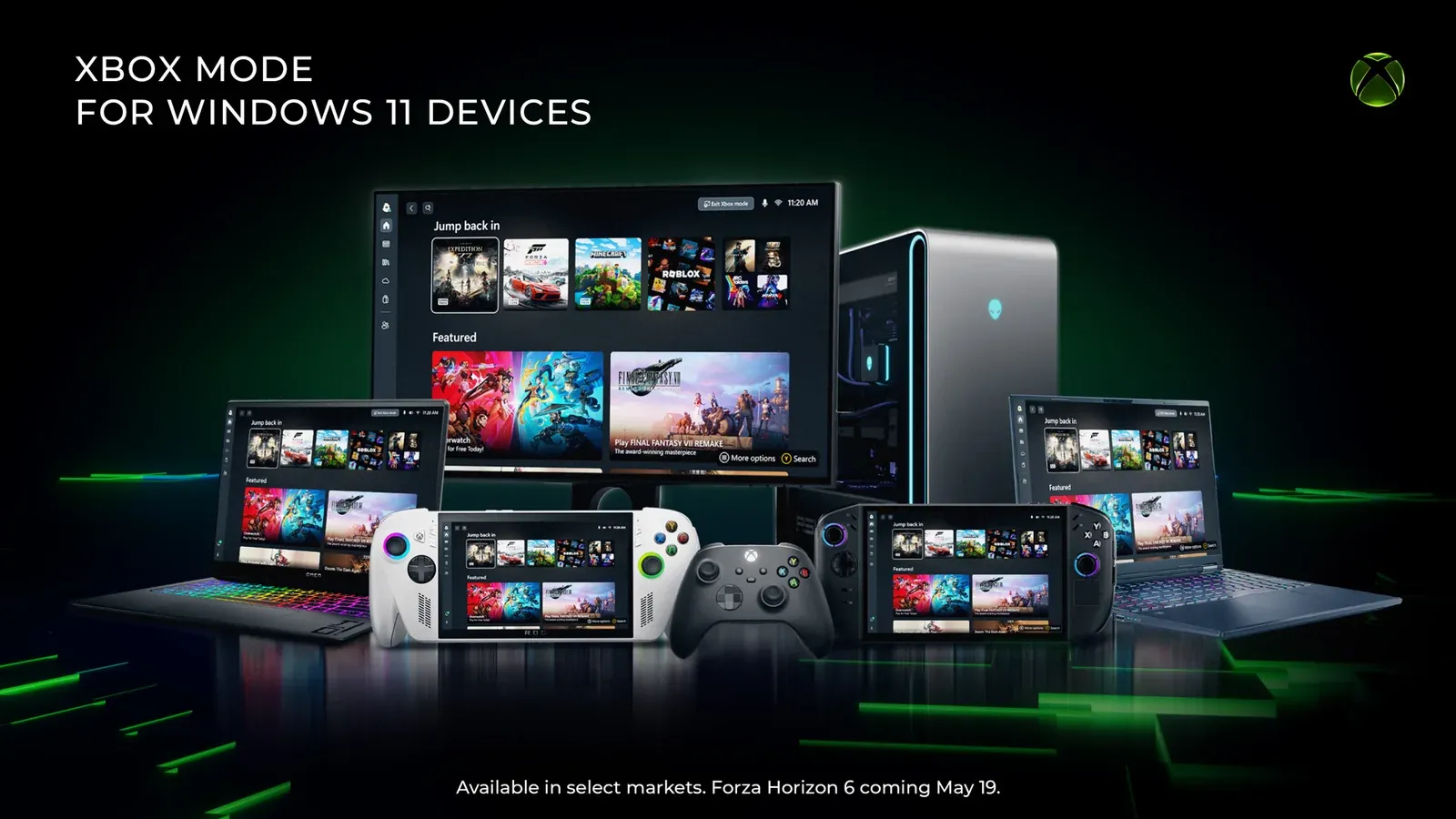
Image: techtroduce.com
A reported Helix plan would have broken a 20-year Xbox rule
Windows Central reports that Xbox Project Helix was originally conceived with one major break from console tradition: no paid online multiplayer. According to sources cited by Windows Central and syndicated by Yahoo Tech, the next-generation Xbox plan developed under prior Xbox leadership would have treated Helix as a true console-PC hybrid, with access to Windows PC games, storefronts such as Steam, and online play without the subscription paywall that has defined Xbox console multiplayer for decades.
That is the strongest concrete development in the current Helix conversation, but it comes with an important tension. Microsoft has not announced free online multiplayer Xbox support for Helix, nor has it publicly confirmed the reported old plan. The claim comes from reporting by Windows Central, repeated and contextualized by outlets including Eurogamer, GameSpot, GamingBolt, GamingBible, and Yahoo Tech. Microsoft’s more recent public framing, as quoted by GameSpot, describes Project Helix as a console that plays games from your PC rather than a PC that also plays console games.
That difference is the entire strategic fault line. A PC-like Xbox that can freely run Steam, Epic Games Store, and other Windows storefronts has a hard time justifying a platform-level online toll when those ecosystems generally do not charge separately for multiplayer access. A console-first Xbox with PC compatibility, by contrast, could more easily preserve Xbox Game Pass Core as the gate for paid-game online modes. The Xbox Live paid multiplayer rumor is therefore less about one subscription feature and more about what kind of machine Helix is becoming.
The original pitch reportedly looked closer to a gaming PC than a console
Windows Central’s report, as quoted by Yahoo Tech, says the earlier Helix concept ran under a different codename until last summer and was designed as a full gaming PC that could also run existing Xbox console games. The reported interface would have been gamepad-first and Xbox-style in full screen, similar in broad concept to the Asus Xbox ROG Ally PC handhelds, while still allowing users to exit to the Windows desktop and install what they wanted. Yahoo’s syndicated version of the Windows Central report specifically names Steam as part of that original freedom.
GamingBolt describes the same reported idea as a full-fledged gaming PC with access to storefronts like Steam, adding that the device would have functioned similarly to the Xbox Ally with a gamepad-first Xbox interface and the freedom to install software. GameSpot likewise reports that the concept was tied to full PC game support through storefronts such as Steam, which is why a multiplayer paywall would have been difficult to maintain in that model.
The public messaging now appears narrower. GameSpot cites Xbox VP of next-gen Jason Ronald saying Project Helix is designed as the "ultimate gaming machine" and one intended to remove historical barriers of play, but the same report notes Microsoft has also described it specifically as a console that plays games from your PC, not a PC that can also play console games. Eurogamer similarly says Xbox boss Asha Sharma has framed Helix as a family of devices that bridges PC and Xbox and can play games from both platforms, while also noting recent language has sounded more like a traditional console with the ability to play PC games.
That shift matters because the store model determines the subscription logic. If Helix is a Windows PC in console clothing, charging for online multiplayer on one storefront layer while Steam purchases play by PC rules would be messy. If Helix is an Xbox console with curated PC-game access, Microsoft has more room to keep console-style monetization intact.
Paid online is one of Xbox’s oldest business pillars
Eurogamer notes that Xbox Live has existed as a service since 2002 on the original Xbox, and that by 2005 it had split into gold and silver tiers to distinguish paying users from free ones. In 2023, Microsoft replaced Xbox Live Gold with Xbox Game Pass Core, folding base Game Pass catalog access together with online play, according to Eurogamer’s cited history.
That history gives the free online multiplayer Xbox rumor its weight. Paid online access has survived multiple Xbox generations, the rise of Game Pass, the shift to cross-play, and the wider move toward free-to-play live-service games. GamingBible points out that free-to-play online games such as Fortnite and Call of Duty: Warzone do not require an Xbox Game Pass subscription on Xbox, while paid games with online modes still generally do. That creates an increasingly strange split for players: a no-cost download can be played online without the platform fee, while a $70 boxed or digital game may still require a subscription for multiplayer.
From a strategy standpoint, removing the paywall would be a clean attack on friction. It would make Xbox hardware feel more like PC gaming and reduce the sense that console buyers pay twice, first for the game and internet connection, then again for platform permission to play online. It would also give Microsoft a visible consumer-friendly differentiator against other console ecosystems, assuming Sony and Nintendo maintained their own paid online services.
But it would also remove one of the clearest recurring revenue lines attached to Xbox hardware. That is why this rumor cuts both ways. It sounds like a user-first move, but it would force Xbox to replace the economic function that paid multiplayer currently performs.
Game Pass would need a sharper job if multiplayer became free
The Game Pass strategy question is the most important consequence of the report. Today, Xbox Game Pass Core inherits the old Xbox Live Gold role by combining online access with a base library of games, as Eurogamer notes. If Helix launched with free online multiplayer, Core could no longer rely on online play as its unavoidable utility for paid-game multiplayer users. It would need to compete more directly as a catalog product, a loyalty product, or an entry-level Game Pass tier.
That could be healthy for the service, but it would raise the bar. A subscription sold because players need it to access paid multiplayer behaves differently from a subscription sold because the games, discounts, cloud features, or account benefits are persuasive on their own. The first is infrastructure rent. The second is a value proposition that must keep winning month after month.
This is where the PC hybrid rumor becomes strategically coherent. If Microsoft wanted Helix to welcome Steam and other PC storefronts, it would already be accepting that Game Pass would coexist with rival libraries on the same box. In that world, making multiplayer free would reduce platform resentment and position Game Pass as one of several attractive ways to fill the device, rather than as a toll booth attached to basic online play.
The risk is that openness weakens attachment. A Helix owner who buys most multiplayer games on Steam may have fewer reasons to subscribe to Game Pass Core unless the catalog or broader Game Pass ecosystem is compelling. That is probably acceptable in a PC-style hardware model where the upfront device price carries more of the business. It is harder in a traditional console model where platform services help justify lower hardware margins.
Hardware costs are the pressure point pushing against the old vision
The sources repeatedly connect the possible change in direction to economics. Yahoo Tech’s syndicated Windows Central report says the original full-PC approach would have lacked the normal console subsidy, meaning profitability would have fallen largely on the upfront hardware price like a PC or laptop. It also says the concept predated the AI-driven RAM crisis that pushed memory prices higher.
GamingBolt similarly reports that the hardware would have been expensive and unsubsidized, adding that this was before RAM shortages. Eurogamer says the revised plan has reportedly been affected by new management, rising component costs, and a shifting hardware strategy. The same Eurogamer article references previous reporting that the next Xbox could cost up to $1,800, with a handheld version in 2027 and a full release by holiday 2028. GamingBolt also says Project Helix does not currently have a launch window, while reporting it may land sometime in Holiday 2028.
Those price signals are not official pricing. They are reported possibilities, and Microsoft has not announced Helix pricing, exact specs, a final device lineup, or a release date in the provided source material. Still, they explain the pressure. If Microsoft cannot subsidize the box heavily, the consumer faces a higher sticker price. If Microsoft does subsidize it or tries to keep it closer to console pricing, recurring revenue from services becomes harder to abandon.
That is the strategic bind. Free online multiplayer would make Helix cleaner as a PC-console bridge, but the more expensive the hardware becomes, the more tempting it is to preserve every reliable revenue stream. If Microsoft is also, as GameSpot reports, operating under a leadership group more focused on profitability, then dropping paid multiplayer becomes a larger sacrifice than it might have looked during the earlier concept phase.
Leadership changes make the current plan harder to read
Multiple outlets frame the reported change around leadership. Yahoo Tech’s Windows Central syndication says the original Helix plan was developed under previous Xbox leadership led by Phil Spencer and Sarah Bond, and that Xbox is now led by Asha Sharma with Matt Booty on games, Matt Ball on strategy, and Chris Van Vilet on technology. Eurogamer and GamingBolt also connect the earlier reported no-paywall plan to the prior leadership era and the current uncertainty to new management and a revised hardware strategy.
The important caveat is that leadership framing does not confirm a final product decision. The sources say free multiplayer was part of an earlier plan, that the plan was costed into that strategy according to Windows Central’s reporting, and that it is now unclear how much of that vision survives. They do not establish that Microsoft has formally canceled free online multiplayer for Helix. They also do not confirm that paid multiplayer will remain on the final hardware.
The public phrasing does, however, suggest a narrower lane. A device described as a "family of devices" that bridges PC and Xbox can still be ambitious. A device described as a console that plays PC games sets a different expectation. In platform strategy terms, that sounds less like surrendering the console business model to the PC model and more like extending Xbox’s software reach while keeping the console center of gravity.
For Xbox buyers, that distinction is practical. A PC-first Helix would invite questions about Windows access, Steam installs, peripheral compatibility, modding, anti-cheat behavior, and whether multiplayer rules follow the PC ecosystem. A console-first Helix invites a different set of questions: which PC games are supported, which storefronts are allowed, whether purchases transfer cleanly, and whether Game Pass Core still governs online multiplayer for paid Xbox titles.
What is confirmed, what is still rumor, and how to wait intelligently
Confirmed from the provided reports: Microsoft has discussed Project Helix as next-generation Xbox hardware, GameSpot quotes Jason Ronald calling it an "ultimate gaming machine," and outlets including Eurogamer report that Xbox has positioned it as a family of devices bridging PC and Xbox. Eurogamer and GamingBolt report that timing remains unannounced, with reports pointing to a handheld in 2027 and a fuller Helix release around Holiday 2028. Eurogamer confirms the historical context of Xbox Live’s 2002 launch, the 2005 gold and silver split, and the 2023 move to Xbox Game Pass Core.
Reported but unconfirmed: Windows Central’s sources say the earlier Xbox Project Helix plan included full gaming PC functionality, access to storefronts such as Steam, and no paywall for online multiplayer. The same reporting says the plan was developed under prior Xbox leadership and became less certain after leadership changes, rising component costs, and a strategy shift. Eurogamer’s referenced price reporting, including the possibility of a next Xbox costing up to $1,800, is also not official pricing.
Unannounced: Microsoft has not confirmed whether Project Helix will include free online multiplayer, whether Xbox Game Pass Core will change, which PC storefronts will be supported, the final hardware specs, exact launch timing, upgrade paths for existing Xbox owners, or final prices for any device in the family.
The sensible buyer read is patience. If you are considering current Xbox hardware, do not treat free online multiplayer on Helix as a guaranteed future benefit. If you are deep in Game Pass, watch whether Microsoft starts repositioning Core around catalog value rather than online access. If you are mainly interested in Steam access on a living-room Xbox, pay close attention to Microsoft’s exact wording. "Console that plays PC games" and "full gaming PC with Xbox compatibility" are not the same product, and the fate of paid online multiplayer may depend on which version of Helix survives to launch.