
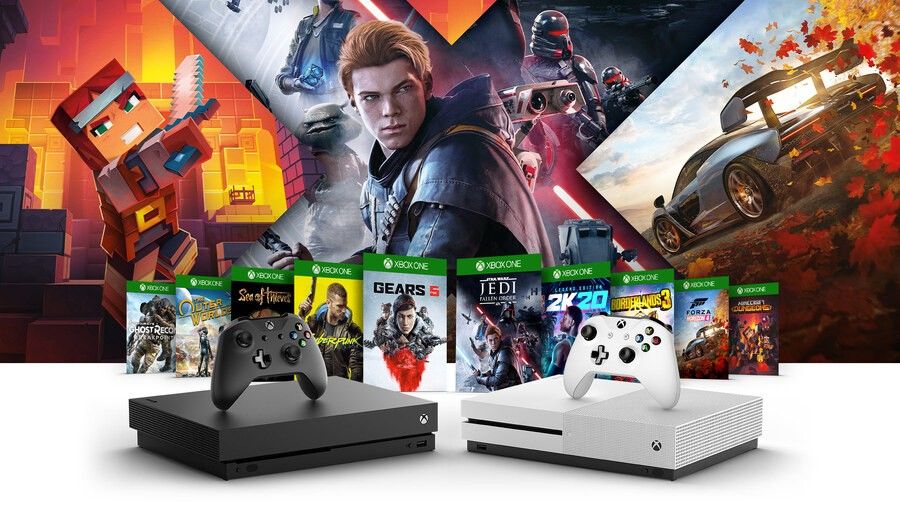

Xbox’s disc-to-digital feature and Sony’s digital games lawsuit have pushed the physical versus digital debate into a larger fight over access, preservation, and console strategy.
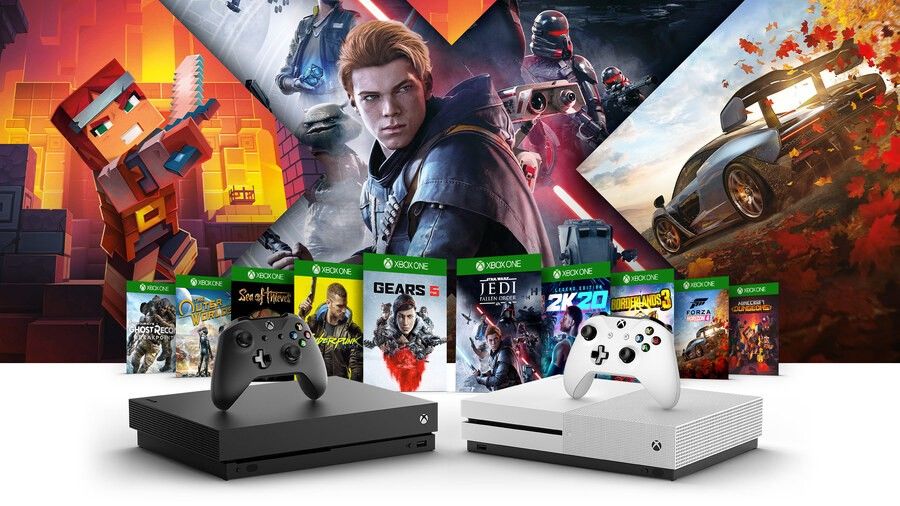
Image: purexbox.com
Xbox turns old discs into the center of a new ownership argument
Xbox is preparing to let players claim digital entitlements from supported physical Xbox discs, with Xbox Insiders scheduled to begin testing the feature on August 31, according to an Xbox Wire post by Jason Ronald, Microsoft’s VP of Next Generation. The confirmed feature applies to most Xbox One and Xbox Series X disc-based games at launch, with Xbox saying players can insert a supported disc into an Xbox One or Xbox Series X console, launch the game, and claim a digital entitlement tied to that disc.
That is the strongest concrete development in a debate that has been simmering for years. The question is no longer whether Xbox digital games are convenient or whether Xbox physical games feel safer. The harder question is what a console platform owes players when a library built over decades has to survive a hardware transition that may not always include an optical drive.
Xbox’s official framing is preservation and flexibility. Ronald wrote on Xbox Wire that the company wants to make it easier for players’ libraries to move forward across devices and generations, and that preserving access to games people own matters as technology, devices, and distribution evolve. The immediate tension is that this preservation promise still depends on a digital license system, title support, publisher participation, and hardware capable of reading the disc at least once.
The confirmed Xbox plan bridges formats, but it does not erase the license problem
The Xbox Wire announcement says the new disc-to-digital feature begins with “thousands of titles” and that Xbox will add more over time. Once claimed, the entitlement can enable digital-style benefits including Xbox Play Anywhere and Xbox Cloud Gaming where those features are supported. Xbox also says the physical disc will continue to work as it always has after the entitlement is claimed.
For buyers, that could change the practical value of a disc collection. A player with supported Xbox One or Xbox Series X discs may gain access on additional supported devices without rebuying the game digitally. In a Reddit r/Games thread discussing the announcement, several commenters immediately focused on exactly that question, asking whether disc versions of Play Anywhere games could then be played on PC. Other commenters responded that it should work where the digital version supports Play Anywhere, which aligns with Xbox Wire’s own statement that Play Anywhere benefits apply where supported.
The unresolved part is ownership. Slashdot, quoting an Ars Technica report, notes fine print describing “one revokable license per game disc.” That report says the entitlement can move if the physical disc is sold, loaned, or used by another account, meaning the digital access is connected to the disc’s status rather than becoming a permanent extra copy for the first claimant. That distinction matters. Xbox is making physical ownership more useful in a digital ecosystem, but the digital side still behaves like a managed entitlement, not a second piece of property detached from the disc.
Player choice is becoming Xbox’s safest strategic message
A separate report on Xbox boss Asha Sharma framed Xbox’s position as wanting players to have a choice between physical and digital games, with physical games still appearing to be part of Xbox’s future plans. That message lands differently now that Xbox has announced a feature designed to convert a disc purchase into digital access for supported titles.
From a platform strategy angle, this is a defensive and offensive move at the same time. Defensively, it gives current Xbox owners a reason to believe their physical libraries will not become dead weight if the ecosystem continues moving toward PC, cloud, handheld-style devices, or future consoles with uncertain disc support. Offensively, it lets Xbox talk about digital migration without telling players that their old purchasing habits were a mistake.
IGN’s analysis argues that Microsoft is handling the transition from physical media to digital better than PlayStation by showing a clearer plan for players’ existing libraries. IGN also notes an important caveat: Microsoft has not, in that analysis, officially said it will continue selling games on discs, and future hardware could still omit an optical drive for cost or design reasons. That makes the disc-to-digital program a hedge. It does not guarantee a disc-drive future, but it gives Xbox a stronger answer to the question that doomed its messaging in past console debates: what happens to the games people already bought?
Sony’s lawsuit shows why digital wording is no longer a small-print issue
The other side of the game ownership debate is playing out in court. Polygon reports that four customers filed a class action complaint against Sony on June 18, alleging that Sony has not made it obvious enough that buyers do not receive ownership when they purchase digital games. According to Polygon’s summary of the complaint, the plaintiffs argue that purchase flows using phrases such as “Buy Now” and “Confirm Purchase” can mislead consumers into thinking they own a product in the usual sense, when digital software access is governed by license terms.
Polygon, citing Game File, reports that Sony’s counterargument is that reasonable consumers know they do not own a game when they buy digitally. Sony also points to PlayStation’s End User License Agreement language stating that “software is licensed to you, not sold” and that “virtual content is licensed, not owned,” according to the same report.
Those are legal arguments and allegations, not a final court ruling. Still, they cut directly into how players understand the word “buy.” If a storefront button says buy, a receipt says purchase, and a library shows a game alongside owned physical media, many players treat that transaction as ownership in everyday language. Platform holders treat it as a license in legal language. The Sony digital games lawsuit matters to the Xbox physical games debate because it exposes the gap between consumer behavior and platform terms at the exact moment consoles are moving deeper into digital libraries.
Preservation depends on more than a download button
Xbox’s announcement explicitly connects the new feature to game preservation, but preservation in a modern console ecosystem has layers. A disc can preserve a path to a game, but many discs rely on patches, digital builds, server authentication, DLC, compatibility work, or platform services. A digital entitlement can improve access across devices, but it can also depend on accounts, storefront infrastructure, publisher approvals, and licensing rules.
The limits are already visible in the reporting around Xbox’s program. Xbox Wire says most Xbox One and Xbox Series X disc-based games support the feature, while acknowledging that not every title will be available at launch. Slashdot’s summary of Ars Technica says a leaked Verge memo suggested publishers must actively opt in for discs to activate digital entitlements. The same Slashdot item says Windows Central separately suggested, based on unnamed sources, that some discs may be incompatible because of how they were manufactured, which could explain why original Xbox and Xbox 360 discs were not being discussed for the program.
Those reported details should temper expectations. The confirmed Xbox program is substantial, but it is not a universal rescue plan for every disc ever pressed. It appears strongest for Xbox One and Xbox Series X libraries, weaker or unannounced for older generations, and dependent on support rules that players may not know until compatibility lists and Insider testing reveal more. For preservation-minded buyers, that means the best strategy is still redundancy: keep discs, keep accounts secure, claim eligible entitlements when available, and watch whether publishers opt in for the games that matter most.
Buying habits are shifting from format preference to risk management
For years, the physical-versus-digital choice was easy to describe. Physical offered resale, lending, collecting, and offline comfort. Digital offered convenience, instant access, remote installs, and no disc swapping. Xbox’s new feature complicates that split by allowing a supported disc to unlock digital-style benefits without removing the disc’s traditional role.
That could influence buying habits in several ways. Players who prefer Xbox physical games may see added value if a new disc can later create a digital entitlement. Players who have avoided discs because they play across console, PC, and cloud may have a reason to care about physical copies again, provided the games support Play Anywhere or cloud access. Collectors may like the bridge, but they should note the reported “one revokable license per game disc” model because it means resale and lending are still part of the entitlement logic rather than a loophole around it.
For Xbox digital games buyers, the Sony lawsuit is the cautionary mirror. Digital libraries are convenient, and for many players they are already the default, but legal ownership language can differ sharply from storefront language. Until courts, lawmakers, or platform policies create clearer consumer-facing standards, the safe assumption is that digital purchases are long-term licenses governed by terms of service. That does not make digital irrational. It means players should weigh convenience against account dependence, delisting risk, family sharing rules, refund policies, and the platform holder’s track record.
The next console fight may be won before the hardware is revealed
The long-term console strategy question is whether platform holders can move players toward digital ecosystems without making them feel trapped. Xbox’s disc-to-digital program is a smart move because it speaks to migration before the next hardware box forces the issue. If future Xbox devices lean further into PC-style hardware, cloud support, or all-digital configurations, a tested entitlement bridge gives Microsoft a cleaner path than simply telling disc owners to start over.
Sony faces a different pressure point in the current public record. Polygon reports the company is defending digital ownership language in court, while IGN and Polygon both frame PlayStation as moving toward an all-digital future and ending disc production. Whether readers agree with IGN’s criticism of Sony’s approach or not, the contrast is strategically important: one platform is currently emphasizing a way to carry supported discs forward, while the other is fighting over what consumers should understand when they click buy on digital games.
The practical guidance for players is to wait for the Xbox Insider test results before treating disc-to-digital as a solved library plan. Check whether your specific games are supported, whether Play Anywhere or cloud features apply, and whether older discs are excluded. If you buy physical because you want resale or collection value, the feature may add convenience without replacing the disc. If you buy digital because you want frictionless access, the Sony lawsuit is a reminder to read platform terms and understand that convenience still runs through licensing. The ownership debate is now a console strategy debate, and the companies that explain the tradeoffs clearly will have an advantage when players decide where to build their next library.