
The second February 2026 Xbox Game Pass wave is a dream for RPG fans, with The Witcher 3: Wild Hunt – Complete Edition and Kingdom Come: Deliverance 2 acting as twin tentpoles. Here’s how this slate breaks down by genre and playstyle, plus a practical plan for what to play first if you’re short on time before the early‑March drops.
February’s second Xbox Game Pass wave is built around a simple promise: if you like role‑playing games at all, you will not be bored until well into March.
Across console, PC, cloud and the handheld tier, Microsoft is backing two very different RPG heavyweights. The Witcher 3: Wild Hunt – Complete Edition lands on February 19, while Kingdom Come: Deliverance 2 rides in on March 3. Around them is a spread of action, sports and simulation that quietly fills in the gaps for players who want something lighter between 100‑hour epics.
This is not just a list of dates. With big early‑March drops looming, anyone with limited time needs to be a bit tactical about what they start, what they sample and what to leave for later.
The RPG Tentpoles: Two Very Different Beasts
The spine of this wave is the contrast between The Witcher 3 and Kingdom Come: Deliverance 2. Both are RPGs, both are critically adored, and both can swallow months of your gaming time, but they aim at very different fantasies.
The Witcher 3 is high fantasy comfort food. It is a sweeping, monster‑hunting road trip that throws you between war‑torn battlefields, haunted swamps and crowded cities, all layered with dark fairy‑tale quests and choices that ripple through the story. The Complete Edition on Game Pass includes the base game and its expansions, which turns it into an enormous package packed with dense side content.
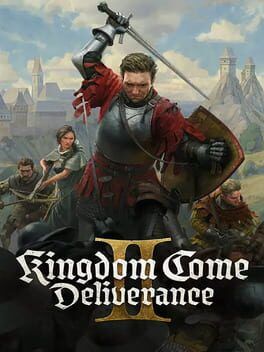
Kingdom Come: Deliverance 2 is historical grime and vulnerability instead of power fantasy. Set in 15th‑century Bohemia, it leans hard into realism. You are not a legendary witcher but a young man learning how to hold a sword properly. Combat is slower and more methodical. Armor matters, stamina matters and so does eating, sleeping and keeping your gear in shape. Where CD Projekt’s world is magical and exaggerated, Warhorse Studios focuses on muddy roads, political intrigue and grounded, difficult fights.
Taken together, they create a two‑lane highway for RPG fans. One lane is for players who want lush, cinematic questing with relatively forgiving systems. The other is for players who enjoy figuring out complicated mechanics and surviving a harsh medieval simulation.
The Rest Of The Wave: Genres And Playstyles Served
Although RPGs get the headlines, this wave quietly checks a lot of boxes for different moods and schedules.
Death Howl drops on February 19 as a Souls‑like deck builder. It is still aimed at RPG players, but in a bite‑sized, run‑based format. Instead of a huge open world, you are juggling cards, resources and tough battles in short loops that fit neatly into an evening. It is a good pressure valve for anyone who enjoys punishing combat but cannot always commit to multi‑hour sessions.
EA Sports College Football 26 on the same day speaks directly to sports fans and stat heads. Dynasty and Road to Glory style modes reward players who want long‑term progression but in shorter game windows. It is a completely different rhythm from the RPGs, a palate cleanser between story beats.
Towerborne’s full release on February 26 leans into co‑op action RPG territory, with session‑based missions and live service hooks. It is an easier ask for friends who might not be ready to dive into a single‑player epic. You can knock out a few missions, push your character’s build forward and log off without worrying about losing the thread of an intricate narrative.
On the smaller side, TCG Card Shop Simulator and Dice A Million lean toward simulation and light strategy. Running a card shop or chasing dice‑driven high scores are low‑stress experiences that excel as second‑screen games. They fit perfectly for weeknights when you want to progress your Game Pass backlog but do not have the energy to make big story decisions.
Add in Avatar: Frontiers of Pandora and Avowed from earlier in the month and the shape of February becomes clearer. Game Pass is not just dropping two huge RPGs. It is surrounding them with short‑session, system‑driven experiences and co‑op titles that give you something to play when you are not ready to sink another three hours into a main quest.
Day‑One Drops Vs Returning Hits
From a service perspective, this wave is a showcase of how Microsoft wants Game Pass to feel: part discovery tool, part prestige library.
Towerborne, Death Howl and TCG Card Shop Simulator lean toward the discovery side. They arrive day one on the service or in early access style previews, banking on Game Pass to provide an instant audience. These games are designed to be sampled. You might bounce off one in an hour, but the frictionless trial is the point.
The Witcher 3 and Kingdom Come: Deliverance 2 sit on the other side, as prestige anchors. Witcher 3 is a returning classic that many players have heard praised for a decade but never finished or even started. Kingdom Come 2 is a newer sequel, but it rides the reputation of the first game’s cult following and is coming in as a late addition rather than a pure day‑one drop.
Then you have something like EA Sports College Football 26, which behaves almost like an annualized platform. It is not a nostalgia piece in the way Witcher 3 is, but it is not a tiny experiment either. For Game Pass, it helps keep the subscription relevant for players who live inside sports modes for most of the year.
The mix matters because it shapes how you should approach your time. Day‑one curiosities are ideal to poke at now, before March crowds the calendar. Prestige RPGs are commitments that you may want to pace yourself on, especially if you are juggling multiple platforms or other big releases.
If You Have Limited Time: What To Play First
With early‑March bringing both Final Fantasy 3 and Kingdom Come: Deliverance 2, you only have a couple of weeks of relative breathing room. Here is how to think about your play order if you care about RPGs but cannot dedicate your life to them.
Start with The Witcher 3 on February 19, but manage your scope. The temptation is to treat it like a checklist and clear every question mark on the map. That is the fast route to burnout before March. Instead, treat it like a story‑driven game first and an open‑world checklist second. Focus on the main story and a handful of clearly marked side quests that relate to major characters. That way you still get the sense of a complete arc without needing 200 hours.
Use shorter experiences as pressure releases while you play. Death Howl is perfect for nights when you only have 45 minutes but still want to make progress, since its run‑based structure means a single good attempt feels satisfying. Sports fans can anchor their schedule around EA Sports College Football 26, using it as a go‑to when a full evening of narrative is too much.
When Towerborne lands on February 26, treat it as the co‑op flavor of the month rather than another epic to finish. It slots well into weekends with friends or as a regular weekly session. You get the fun of build progression and action combat without the mental load of remembering dense story details.
As March 3 approaches and Kingdom Come: Deliverance 2 arrives, think of it as a hard pivot from high fantasy to grounded simulation. You do not need to finish The Witcher 3 before starting Kingdom Come 2, but you should be realistic about how many heavy RPGs you can juggle at once. If you fell in love with Witcher’s world and story, it might be smarter to park Kingdom Come 2 for a week and finish your main arc with Geralt first.
If you value systems and realism more than cut‑scene spectacle, you can flip that logic. Sample The Witcher 3 for a few nights to see how it feels, then go all‑in on Kingdom Come 2 when it hits. Its slower pace and simulation depth reward long, focused stretches, so you will get more out of it if it is not competing with another enormous RPG for your attention.
How Long Do You Actually Need?
In practical terms, most players will not see everything these games offer, so it helps to think in rough time blocks instead of completionist targets.
The Witcher 3’s main story can be seen comfortably in a few dozen hours if you are selective about side quests. That is a commitment, but not impossible across a month if you carve out one or two evenings a week. Kingdom Come: Deliverance 2 will likely demand similar or more time, especially if you engage deeply with its training systems, side stories and open‑world distractions.
The rest of the wave is much easier to slice into your schedule. A run of Death Howl, a college football matchup, a handful of Towerborne missions or a night of tinkering with a card shop can all fit into 30 to 60 minute windows. Those games exist to make the subscription feel active even when your real‑life schedule is not.
Planning Around The Early‑March Crunch
By the time March 3 rolls around, Game Pass RPG fans could be spinning three plates at once: The Witcher 3, Final Fantasy 3 and Kingdom Come: Deliverance 2. Trying to advance all three in parallel is a good way to lose track of every story.
A cleaner approach is to decide which two roles you want filled. Let one game be your main story focus, and another be your comfort game when you are too tired for big decisions.
For many players that will mean putting The Witcher 3 or Kingdom Come 2 in the main slot, with Final Fantasy 3 as a nostalgic, chapter‑based fallback. Others might elevate Final Fantasy 3 if they prefer a traditional, shorter JRPG format, and let the open‑world giants wait.
The important part is to be intentional. This wave is rich enough that you will not run out of games. What you could run out of is attention. Decide now which fantasy you want to live in for the next month: the monster hunter’s wandering life, the struggling peasant’s climb in a brutal medieval kingdom, or the structured progression of a classic JRPG. Game Pass is making a strong argument that any of them is worth your time.