
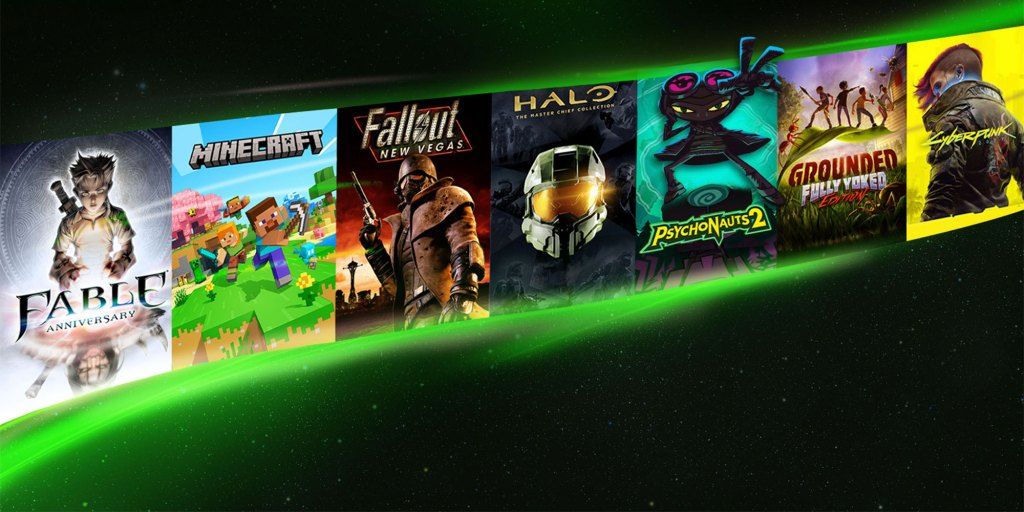
Microsoft will cap Xbox Game Pass cloud gaming hours in November and sell extra playtime, changing the math for players who stream first instead of downloading or buying new hardware.
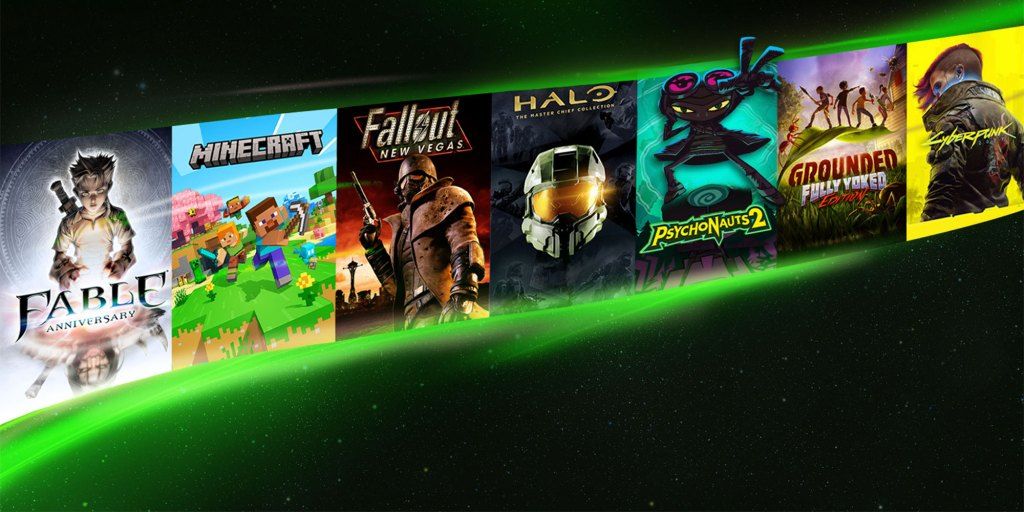
Image: vice.com
Xbox is putting a meter on Game Pass cloud play
Microsoft’s biggest confirmed change is simple and sharp: Xbox Game Pass cloud gaming will no longer be unlimited for eligible subscribers starting in November. According to Microsoft’s Xbox announcement, reported by GamingBolt, GameSpot, Kotaku, CNBC, Business Insider, and others, each Game Pass tier will include a monthly allowance instead of open-ended cloud access.
Game Pass Ultimate will include 15 hours of cloud gaming per month. Game Pass Premium will include 10 hours. Game Pass Essential will include five hours. Once a player runs out, Microsoft says additional cloud time will be available to purchase through the Xbox Store, although the company has not announced pricing, package sizes, rollover rules, market availability, or the exact November start date.
That is the tension at the center of the Xbox Game Pass cloud gaming cap. Microsoft is not removing cloud gaming from Game Pass, and it says only a small share of subscribers will be affected. But for the players who built their routine around streaming first, the service is moving from a subscription perk to a hybrid subscription-and-usage model. The included hours now become a resource to manage.
Who gets which Game Pass cloud gaming hours
The confirmed November allowances create a clear tier ladder. Ultimate subscribers receive the largest monthly pool at 15 hours, Premium subscribers receive 10 hours, and Essential subscribers receive five hours. CNBC reported current U.S. monthly prices for those tiers as $22.99 for Ultimate, $14.99 for Premium, and $9.99 for Essential, citing Microsoft’s blog post for the cloud limits. Business Insider reported the same tier prices and allowances.
Measured only as included cloud time, and ignoring every other Game Pass benefit, that works out to roughly $1.53 per included cloud hour on Ultimate, $1.50 on Premium, and $2.00 on Essential at those reported U.S. prices. That is not Microsoft’s stated hourly price, because Microsoft has not disclosed the price of Game Pass extra hours. It is a useful way to see the new value curve for a streaming-first player, because the old cloud proposition was unlimited eligible streaming as part of the monthly subscription.
The practical translation is even more important than the arithmetic. Fifteen hours per month is about 30 minutes per day in a 30-day month, or a few longer sessions spread across weekends. Ten hours is closer to two or three medium sessions per week. Five hours is enough for sampling, travel backup, or a short campaign chapter here and there, but it is thin for anyone using Xbox Cloud Gaming as their main console.
Microsoft says the cap is about cloud costs, not a universal usage problem
Microsoft’s stated explanation is infrastructure cost. In the company’s quoted statement, Xbox said, “The cost of providing cloud gaming grows as more people use it and play for longer. Moving to monthly limits allows us to keep offering the service while continuing to invest in its reliability and performance. We understand that for some players the practical result is a higher cost.”
That statement frames the change as a capacity and reliability decision. CNBC connected the move to a broader Microsoft push toward usage-based charging as demand rises for finite computing power across the company, including AI and cloud products. GameSpot also noted that Xbox Cloud Gaming runs on Azure servers and cited Microsoft’s recently disclosed Azure quarterly sales of $29.4 billion, with Reuters relaying that figure as below Amazon AWS’s $42.2 billion and above Google’s $24.8 billion cloud results.
Microsoft also says it expects the change to affect 4% of Game Pass subscribers. GameSpot noted that the company did not share specifics on how it arrived at that projection. Kotaku highlighted the same figure while pointing out the uncomfortable exchange: if most subscribers do not use much cloud time, the cap may miss the majority, but the people it does hit are likely the most cloud-dependent users in the ecosystem.
From a strategy angle, this is a classic resource-balancing patch. The old rule rewarded heavy cloud usage because the marginal cost to the player was zero after subscribing. The new rule puts a ceiling on that behavior and reserves extra capacity for people willing to pay beyond the plan. Whether that feels fair depends heavily on the missing price of additional time.
Extra hours are the missing number that decides the real value hit
The most important unannounced detail is the cost of additional cloud playtime. Microsoft has confirmed that players will be able to buy more hours from the Xbox Store after exhausting their monthly allowance. GamingBolt reported that Xbox has not provided exact pricing and that details such as purchasing options will vary. Kotaku quoted Microsoft as saying more information will arrive in November on pricing, purchasing additional hours, eligible games, market availability, and how players can check remaining time.
Until that price is public, the Xbox cloud gaming limit November rollout is only partly knowable. If extra hours are cheap and sold in practical bundles, the cap functions like a soft throttle on extreme use. If they are expensive, the change becomes a meaningful price increase for households that rely on cloud play instead of local hardware. Microsoft itself acknowledged that “for some players the practical result is a higher cost.”
The buying model also changes player behavior. A subscriber who previously streamed a large RPG for three-hour nightly sessions now has to decide whether to download locally, buy hardware, ration the allowance, or pay for more time. A family sharing cloud play across multiple supported devices could hit the cap faster than a single player. A handheld or browser user who treats cloud as the default way to access Game Pass will feel the cap sooner than a console owner who streams only to test a game before installing it.
Microsoft has said it will listen closely to player feedback and make adjustments if necessary, according to GameSpot and GamingBolt. That leaves room for changes, but it does not answer the launch-month questions. Extra-hour pricing, bundle size, expiration, and regional availability will determine whether this is a manageable constraint or a major downgrade for streaming-first subscribers.
Non-subscribers will be able to buy cloud time too
The same change also opens a new door: Microsoft says people without a Game Pass subscription will be able to purchase cloud playtime. GameSpot reported that this option is aimed at players who do not want a recurring Game Pass membership and only want occasional access. CNBC reported that non-subscribers will be able to buy cloud gaming time to stream games they already own. Gagadget described the plan as hour bundles through the Xbox Store for compatible owned titles across supported devices.
That part of the plan is easy to overlook, but it changes cloud gaming from a Game Pass-only perk into a separate product Microsoft can sell by usage. For occasional players, that could be useful if the price is low enough and the supported-game list is broad enough. For Microsoft, it creates a way to monetize cloud infrastructure outside the subscription funnel.
There are limits in the confirmed record. The sources say only compatible or eligible games will work, and Microsoft has not yet detailed the full eligible-game list for the November model. GamingBolt also noted that Xbox One players can use cloud gaming to play some Xbox Series X/S titles, with only select titles supported and expansion planned “throughout the year.” That keeps cloud relevant for older hardware owners, especially in a market where Business Insider noted gamers have faced rising costs for hardware, games, and subscriptions.
The unanswered platform question is how attractive this becomes compared with simply buying a console, upgrading a PC, or staying within local downloads. A paid-hour cloud model can be efficient for rare use. It becomes harder to justify when cloud is the primary platform and every long session consumes a visible balance.
Streaming-first players should audit their habits before November
For players who use Xbox Cloud Gaming occasionally, the November caps may be invisible. If cloud is mainly a travel tool, a way to try a Game Pass title before downloading, or a backup when the TV is occupied, 15 hours on Ultimate could last the month. Premium’s 10 hours and Essential’s five hours are tighter, but still enough for light sampling.
The players who should pay attention now are the ones who stream instead of installing. If you use a browser, phone, handheld, older Xbox One, or low-spec Windows device as your main access point, your monthly Game Pass cloud gaming hours will soon be a budget line. Track a normal week before November. If you already stream five hours on a single weekend, Essential’s monthly allowance is gone in one stretch. If you play an hour most nights, Ultimate’s 15 hours will not cover half the month.
There is no confirmed need to cancel immediately, because the policy has not taken effect and the extra-hour price is still unknown. The smarter move is to wait for Microsoft’s November details if your decision depends on cost. Look for four specifics: the extra-hour price, whether hours are sold in small or large bundles, whether unused purchased time expires, and which games and markets are eligible.
For the broader Game Pass economy, this is a pivot from abundance to metering. Microsoft is keeping cloud gaming in every tier, but the strongest users of that feature will now carry the clearest added cost. The subscription still has value for downloads, catalog access, and occasional streaming. For cloud-first players, the real price of Game Pass after November will be the monthly fee plus however many extra hours their playstyle demands.