
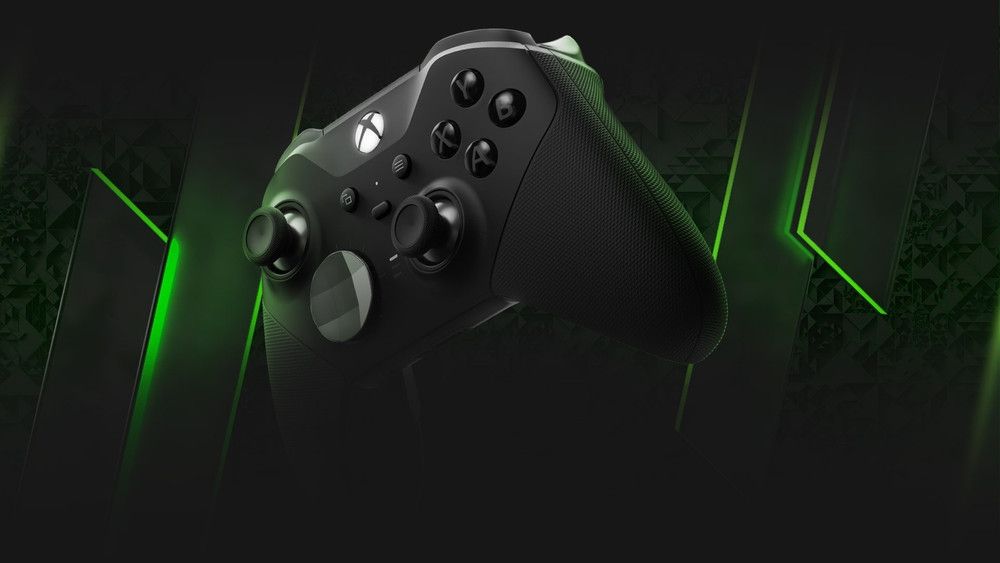

Reported Xbox Design Lab backend records for an unannounced controller codenamed Edessa point to Hall effect and TMR stick options, advanced haptics, audio controls, and deeper Elite customization.
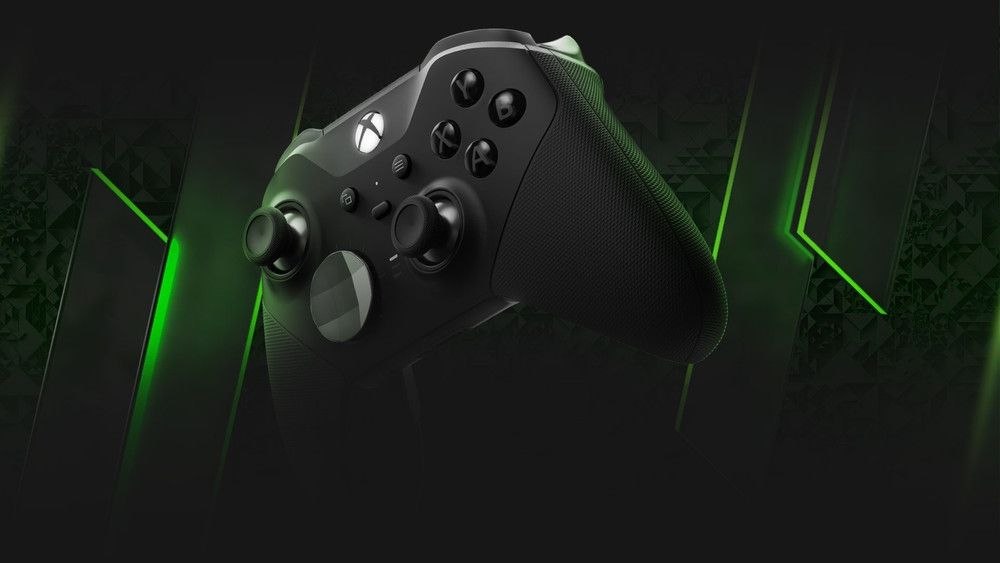
Image: news.instant-gaming.com
A Design Lab backend leak puts the next Elite controller in sharper focus
The strongest detail in the latest Xbox controller leak is also the one competitive players will care about first: reported Xbox Design Lab backend records include both Hall effect and TMR thumbstick options for a controller codenamed “Edessa.” Video Games Chronicle, Eurogamer, Wolf’s Gaming Blog, Notebookcheck, Engadget, Games.gg, and Windows Forum all trace the discovery back to a GamingLeaksAndRumours Reddit post and Spectrum Customizer files connected to Xbox Design Lab’s customization backend.
Microsoft has not announced an Xbox Elite Series 3 controller, and the reported files do not appear to name the product as “Xbox Elite Series 3.” That is the tension. The records reportedly describe a high-end Xbox “pro” controller, include Elite-style customization options, and sit inside the customization system associated with Xbox Design Lab, but the retail name, final feature set, price, and launch timing remain unconfirmed.
The Xbox Elite Series 3 leak matters because it points at a hardware problem the current premium controller line has never fully escaped in player perception: analog stick durability. The Elite Series 2 is still a capable pad, especially for shooters that reward paddles, trigger locks, and tension tuning, but traditional potentiometer sticks can drift as they wear. A move to magnetic sensing, if it ships, would be a direct answer to the kind of failure that makes a $150-plus controller feel risky.
What the reported Edessa and Beatrice records actually show
According to VGC, Reddit user esketitethan claimed to find configuration records and 3D component models in Spectrum Customizer, described by VGC as the backend provider used by the Xbox Design Lab site. Wolf’s Gaming Blog says the files referenced a controller called “Edessa” and a related cosmetics product called “Beatrice,” with settings for faceplates, thumbstick modules, paddles, D-pad options, engraving, and an “Elite Complete Package” upgrade.
The reported thumbstick menu is the headline. VGC says the records appear to offer standard, loose, and tight Hall effect sticks, plus a TMR magnetic sensing option for players seeking more sensitivity. Eurogamer similarly reports that the wording makes it sound as if customers may be able to choose between Hall Effect and TMR sticks, while noting that the default version is unclear.
There is also a haptics thread running through the leak. VGC reports that the motor option names “Advanced Haptics (VCAs)” alongside the existing Impulse Triggers used by current Xbox controllers. Wolf’s Gaming Blog says one setting explicitly mentions “Impulse Triggers (ERMs) & Advanced Haptics (VCAs) Motors,” with include and exclude options. Eurogamer says the records suggest two main versions, Base and Complete, with haptics options potentially creating four product configurations, though this remains an interpretation of leaked configuration data rather than a Microsoft product grid.
Other reported entries point to an audio scroll wheel, metal faceplate options, low-friction or silent sticks, more paddle designs, and a choice of standard, cross, and “grippy” D-pad options. Wolf’s Gaming Blog also notes that the Beatrice records include standard, tall, dome, and low-friction or silent thumbstick choices, while a 3D model manifest references standard, classic, and doublewide paddles. These are backend labels, not a retail spec sheet.
Hall effect versus TMR: the stick choice players are really watching
Both Hall effect and TMR sticks are magnetic alternatives to traditional analog stick sensing. Eurogamer describes Hall Effect and Tunnel Magnetoresistance sticks as relying on magnets rather than a physical connection, which addresses physical wear and stick drift. VGC says both options are designed to remove stick drift, with TMR listed as a magnetic sensing option for players who want more sensitivity.
For players, the practical split is simple. Hall effect sticks are the known anti-drift pitch. They use magnetic sensing to read stick position without the same wear pattern associated with potentiometer-based analog modules. If the leaked Xbox Elite Series 3 Hall effect sticks ship with loose, standard, and tight resistance options, that would give players a cleaner way to match stick feel to genre instead of relying only on software sensitivity curves.
TMR, short for Tunnel Magnetoresistance, is being positioned in the reports as the sharper premium option. VGC says the TMR magnetic sensing option appears aimed at players who want more sensitivity and would likely be more expensive. Eurogamer says the wording suggests customers could choose between Hall Effect and TMR, but the default version is unclear. That distinction matters because “TMR included somewhere in the backend” is not the same as “every retail Elite Series 3 has TMR sticks.”
The upgrade path is still one of the biggest unknowns. Windows Forum cautions that a “Thumbstick Module” label does not prove that owners will be able to swap the complete sensing mechanism themselves. In other words, this could be a Design Lab manufacturing choice rather than a user-serviceable part. Competitive players should care about that difference. A configurable controller at checkout is useful, but replaceable modules after a year of ranked play would be a very different maintenance story.
For competitive shooters, durability is only half the story
Stick drift gets the loudest complaints because it is easy to feel. Your crosshair creeps. Your deadzone goes up. Your aim assist behaves differently. In games where centering, recoil control, and micro-corrections decide fights, a drifting stick is a performance problem before it is a warranty problem.
Hall effect and TMR options would attack the durability side first. If magnetic sensing reduces the wear that causes drift, players could run smaller deadzones for longer without compensating for a failing stick. That is the kind of change that matters in Halo, Call of Duty, Apex Legends, Fortnite, Rainbow Six, and any shooter where right-stick stability affects target acquisition and tracking.
The sensitivity angle is more complicated. A TMR option described by VGC as being for players who want more sensitivity sounds attractive, but sensitivity is not automatically accuracy. Competitive players need predictable response, consistent return to center, low input latency, and a shape that works with their thumb mechanics. A stick that reads finer movement can help with micro-adjustments, but only if the controller firmware, deadzone handling, and in-game response curves are tuned well enough to make that extra information useful.
That is the key buyer question if this Xbox controller leak turns into a real product. A premium stick sensor can make the hardware ceiling higher, but ranked players will judge the pad by whether it holds calibration, whether the tension options feel consistent, and whether the controller still feels immediate when aim assist, acceleration, and custom curves are in play.
Advanced haptics and an audio wheel point to a broader redesign
The reported controller is not only a stick story. VGC says the haptics appear improved, with “Advanced Haptics (VCAs)” listed alongside Impulse Triggers. VCAs, or Voice Coil Actuators, are described by VGC as a form of haptic feedback that can offer HD rumble-style tactile response. Eurogamer says the advanced haptics appear to mirror some of the PlayStation 5 DualSense controller’s feature set, while Notebookcheck also compares the reported VCA approach to the DualSense and DualSense Edge.
For shooters, haptics are a double-edged attachment. Stronger, more precise feedback can make weapons, surfaces, vehicles, and impacts feel better in campaign or co-op play. In competitive settings, many players reduce vibration or turn it off because extra feedback can muddy aim and timing. If the reported include and exclude options are real, that flexibility may be as important as the haptic upgrade itself.
The audio scroll wheel could be the sleeper quality-of-life feature. VGC reports that the user saw an option for an audio scroll wheel, suggesting players may be able to adjust headset or headphone volume directly on the controller instead of opening the Xbox Guide side menu. Wolf’s Gaming Blog says an “Audio Scroll Wheel Color” selector is present in the reported data. Eurogamer links the wheel reference to earlier leaks that showed a physical scroll wheel.
That kind of control is practical in a ranked environment. If party chat spikes, game audio is too hot, or a headset mix needs a quick correction between rounds, a physical wheel is faster than navigating menus. It will not win gunfights by itself, but it removes friction from the setup, and premium controllers live or die on those friction cuts.
Price, timing, and the risk of reading too much into backend files
There is no confirmed Xbox Elite Series 3 release date, price, or product name in Microsoft’s public channels based on the source material provided. VGC’s report says the first Xbox Elite Controller launched for Xbox One in October 2015, followed by the Elite Series 2 in November 2019. Xbox added Design Lab customization for Elite Series 2 controllers in 2022. Eurogamer notes that the Elite Series 2 Core debuted in 2022 at £115 / $130, while the fuller Elite Series 2 launched at £160 / $180.
Those prices are useful context, not a Series 3 forecast. If Microsoft offers Hall effect and TMR variants, optional VCA haptics, metal faceplates, extra paddles, and Base versus Complete packages, the final pricing could vary sharply by configuration. Notebookcheck reports that four SKUs will likely launch at different prices and says a separate report suggests a holiday release window, but the Design Lab backend material itself does not confirm a launch date.
There are also signs that the files may be incomplete. Wolf’s Gaming Blog says some records contain placeholder descriptions such as “Detail about this option,” and cautions that not every entry should be assumed to make the final product. Windows Forum makes the same broader point: these are reported development or configuration assets, not a retail specification sheet.
The smartest read is to treat the Xbox Elite controller Design Lab material as a strong signal, not an announcement. The Xbox Elite Series 3 leak points to a serious controller refresh with magnetic stick options, deeper customization, advanced haptics, and physical audio control. Until Microsoft confirms the controller, buyers should hold off on assuming which stick type will be standard, whether TMR will cost extra, whether thumbstick modules can be replaced after purchase, and whether every reported option will ship.