
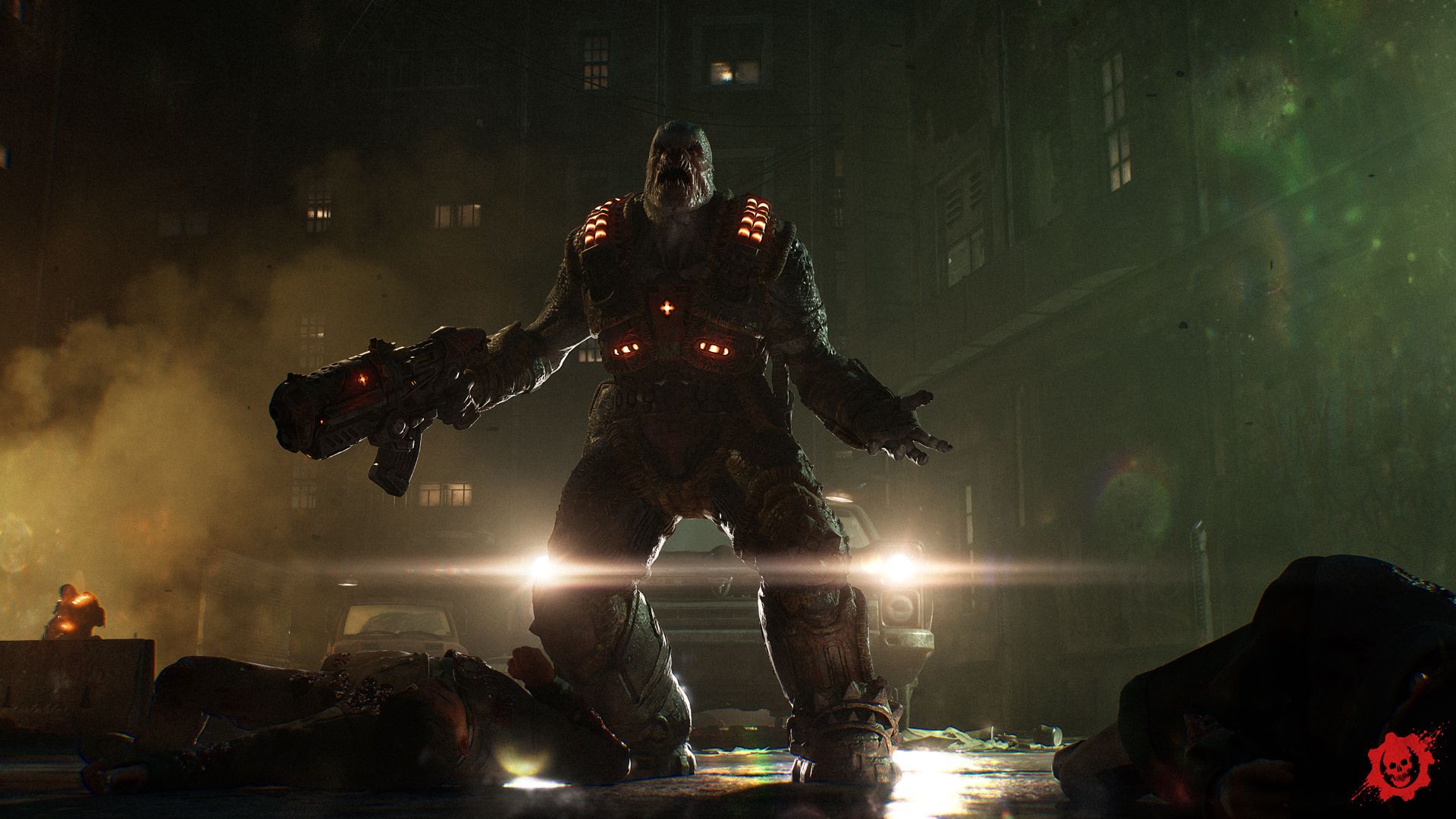
id Software says it is working more closely with MachineGames after Xbox’s reset layoffs. Here is what is confirmed, what remains unannounced, and how the partnership could shape Doom, Wolfenstein, and idTech production.
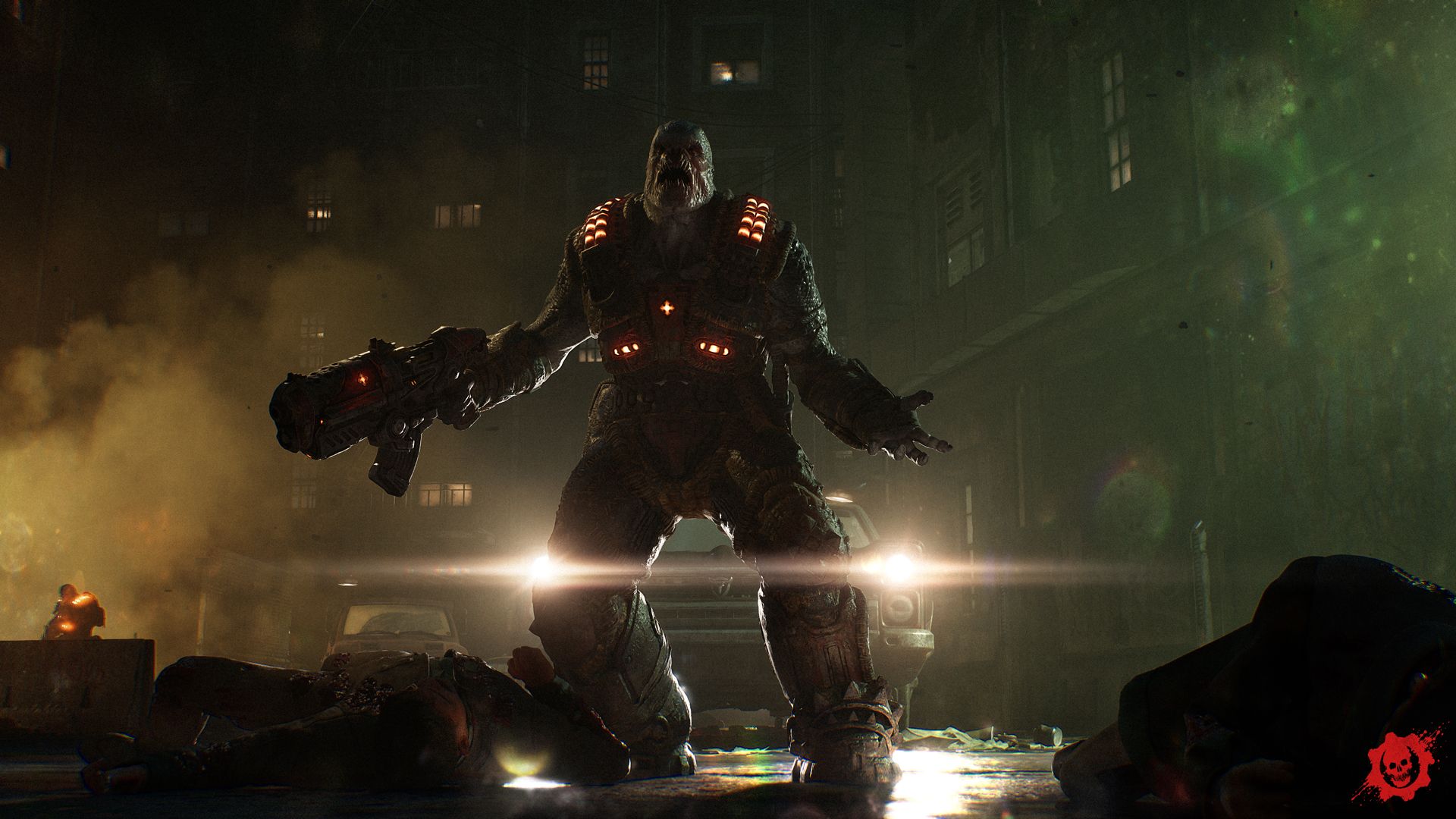
Image: gamesradar.com
id and MachineGames are drawing closer after a hard cut
The strongest confirmed development is this: id Software studio co-director Marty Stratton told media that the Doom studio is now “working more closely with MachineGames than ever” after layoffs that he said saw “about half” of id exit as part of Xbox’s broader reset, according to IGN’s report from a Doom: The Dark Ages - Revelations DLC press event.
That statement lands with weight because id is not a peripheral Xbox team. It is the Doom studio, the keeper of idTech, and one of the few FPS houses whose identity is still built around raw responsiveness, heavy enemy pressure, and engine-first production. MachineGames is the Bethesda and Xbox studio behind the recent Wolfenstein games and 2024’s Indiana Jones and the Great Circle. IGN notes that MachineGames has used id Software’s idTech engine across its games, which makes the relationship technical as much as creative.
Stratton’s comments also create the central tension. He told media, “We’re doing great,” while acknowledging the layoffs directly and saying id made “a very deliberate effort” to remain “incredibly viable” across both game development and technology. That is the official read from leadership. The harder question for shooter fans is whether closer id Software MachineGames collaboration is a sign of strength, necessity, or both.
The confirmed piece is technology alignment, not a Wolfenstein reveal
There is no announced joint project in the provided source material. There is no confirmed Wolfenstein 3 release date, platform list, trailer, price, or store page. There is also no statement from Xbox or Bethesda saying id is co-developing the next MachineGames title.
What is confirmed, through Stratton’s remarks reported by IGN, is that the two teams are working more closely and that the push began before the layoffs. Stratton said the work had “started pre-[layoffs]” and that id had “kicked this off earlier this year.” He framed the partnership around technology development, praising engineers across both studios and saying the teams are “bullish” on what is ahead.
That distinction matters. In shooter production, technology work can mean many things. It can mean engine support, tools, rendering, animation pipelines, performance profiling, combat systems, or production processes. It does not automatically mean id designers are building Wolfenstein missions, that MachineGames is making Doom content, or that Xbox has merged the studios in practice. Based on the sourced comments, the safest read is that Xbox’s Doom and Wolfenstein developers are tightening technical collaboration at a time when id’s internal capacity has been reduced.
The idTech question is the real pressure point
For players, the studio-name crossover is interesting. For production, idTech is the load-bearing wall. Doom’s modern identity depends on high frame-rate action, readable arenas, fast input response, and encounter pacing that collapses if the engine cannot keep up. Wolfenstein under MachineGames has also depended on idTech, but Kotaku reports that MachineGames uses a different fork of the engine for its projects.
That is where closer collaboration could have immediate consequences. Shared engineering work could reduce duplicated effort between forks, help standardize tools, or make it easier for one studio’s improvements to benefit the other. If Xbox wants faster output from its biggest franchises, as IGN reports Xbox CEO Asha Sharma has said, engine alignment is one of the few ways to improve production speed without simply asking smaller teams to absorb impossible workloads.
But the risk is obvious. Kotaku reported that questions have circulated around idTech’s long-term sustainability after the layoffs, citing concern over lost institutional knowledge. Kotaku also quoted veteran programmer Chris Hays from August saying, “It is hard to make a game that is AAA that’s like we’ve done before with half the people,” adding, “And by hard I mean impossible.” Kotaku notes id has pushed back on that kind of claim, arguing the studio is around the size it was when shipping Doom 2016. Those two positions do not fully resolve each other. A headcount comparison can be true while still leaving open whether the current mix of engine specialists, tools engineers, designers, and production leads is enough for the same class of AAA shooter work.
A future Wolfenstein is plausible, but still unannounced
IGN framed the obvious speculation: MachineGames’ next project is widely rumored to be Wolfenstein 3, and studio head Jerk Gustafsson has previously said, “We’re not done with Wolfenstein yet.” That is a meaningful signal of intent, but it is not an announcement. Xbox, Bethesda, and MachineGames have not confirmed Wolfenstein 3 in the supplied material.
If the rumor proves accurate, id’s closer involvement would make practical sense. MachineGames has shipped multiple Wolfenstein games on idTech, and id’s engineers understand the engine’s combat feel at the deepest level. A Wolfenstein sequel would also fit the franchise-focus strategy described in IGN’s reporting, where Sharma has pushed Xbox teams to double down on major franchises and Bethesda boss Jill Braff has echoed a need to focus on the company’s strongest franchises.
There is also a media-timing angle, but it remains indirect. IGN reports that Amazon has a Wolfenstein TV series in development with the Fallout show team attached. That could increase the business incentive to have the game side of Wolfenstein active, but no source here confirms a coordinated launch plan, a game tie-in, or a production schedule. For readers searching Doom Wolfenstein future details, the clean answer is simple: the collaboration is real, Wolfenstein 3 remains unannounced, and any link between the two is informed speculation rather than confirmed news.
Microsoft’s reset is reshaping shooter production beyond Bethesda
The id and MachineGames story sits inside a wider Xbox reset that has affected shooter development in more than one corner of the industry. VGC reported that John Romero’s unannounced shooter, originally backed by Xbox before Microsoft pulled its publishing agreement, has found a new publisher. Romero told VGC the studio had been “defunded” like others, dropped from 110 people to five, then brought back 10 staff after securing a new deal. He also said the game has been redesigned and rescoped for a much smaller team.
That context does not prove anything about id’s next game, but it shows the reset was not an abstract corporate phrase. It changed staffing, funding, scope, and schedules for shooter teams connected to Xbox decisions. At id, Stratton’s message is that the studio remained viable through a deliberate plan. At Romero Games, according to VGC, the answer was to rebuild the project around a dramatically smaller headcount.
For Xbox’s internal shooter studios, closer collaboration can be read as a production response to the same pressure. If headcount is reduced and leadership wants faster releases from major franchises, teams with shared technology have a strong incentive to pool expertise. That can help preserve gunfeel, performance, and engine quality. It can also blur studio identity if every project starts drawing from the same centralized pipeline.
The upside is sharper production, the danger is diluted identity
From a shooter perspective, id and MachineGames have different strengths. id’s modern Doom lives and dies on combat readability, weapon switching rhythm, enemy prioritization, and arena flow. MachineGames’ Wolfenstein work has leaned more into authored campaign spaces, alt-history tone, stealth-to-chaos transitions, and character-forward momentum. Both can benefit from shared engine work, but neither should feel interchangeable.
The best version of this partnership is boring in the right way: better tools, fewer engine forks fighting each other, stronger performance targets, and less wasted time solving the same rendering or pipeline problems twice. That kind of collaboration can give designers more room to focus on encounters, pacing, and weapon feel. If idTech becomes easier to maintain across both studios, Xbox gets a clearer path to future Doom and Wolfenstein production without asking each team to carry every technical burden alone.
The weaker version is collaboration as a patch over lost capacity. If closer ties mainly compensate for layoffs, then every future project may be judged against what was removed. A Doom game cannot hide sluggish input or muddy arena design behind a famous logo. A Wolfenstein game cannot coast on engine pedigree if its campaign cadence, combat spaces, and tone lose MachineGames’ edge. Xbox can centralize technology, but it still needs distinct creative ownership if these franchises are going to feel like themselves.
What to watch next
The next useful signal will be specificity. If Xbox, Bethesda, id, or MachineGames announces a project with named co-development roles, shared engine initiatives, or a clearer idTech roadmap, that will tell players whether this is a deep production shift or a tighter version of a long-running technical partnership. Right now, Stratton has confirmed closer work and emphasized technology. He has not confirmed a co-developed game.
For players, there is nothing to preorder, wishlist, or plan hardware around based on this news alone. Doom: The Dark Ages - Revelations DLC is already out, according to IGN’s event context, and id appears to be past that release window. Wolfenstein’s future remains the obvious question, especially with MachineGames’ history and Gustafsson’s “not done” comment, but the sourced record stops short of a reveal.
The practical takeaway is that Xbox Doom Wolfenstein developers are aligning at the engine and studio-collaboration level after a major staffing shock. That could strengthen future shooter production if it protects idTech quality and lets each team keep its identity. It could also become a stress test for Microsoft’s gaming reset: whether fewer people and closer pipelines can still produce shooters with the speed, feel, and precision these names demand.