
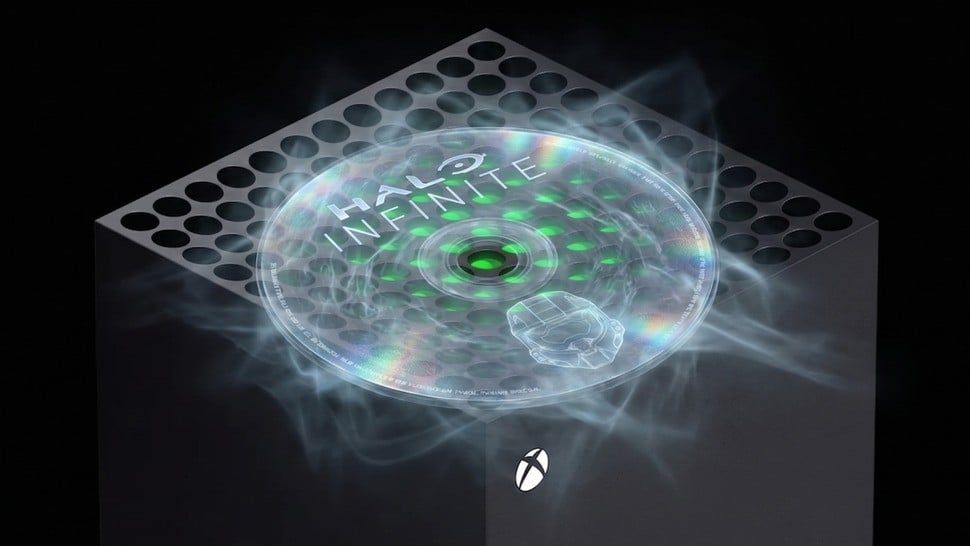

A reported Xbox disc-to-digital program could be revealed in August 2026, but the leaked details leave major questions about ownership, publisher opt-ins, pricing, and physical game access.
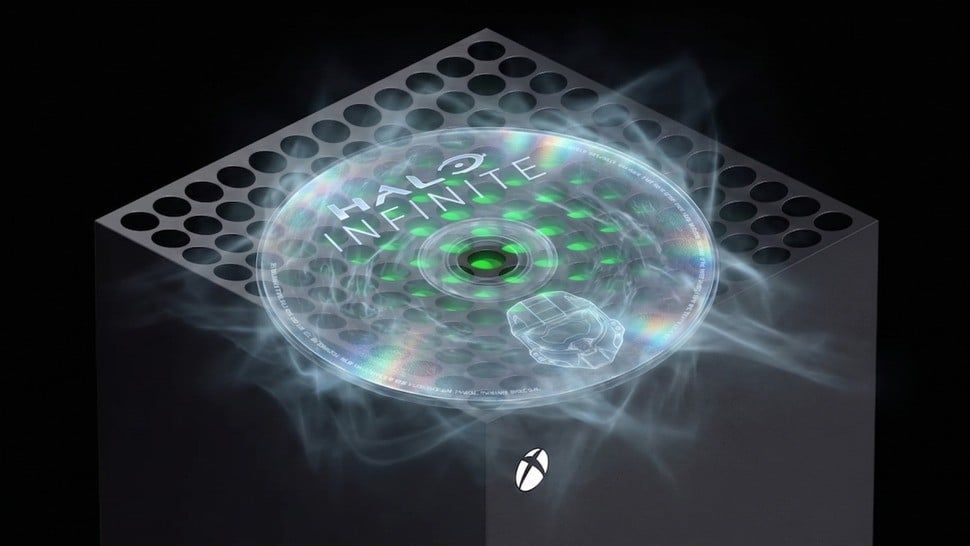
Image: digitalfoundry.net
The strongest signal yet points to an August reveal
Xbox’s long-rumored disc-to-digital program is now being tied to an August 2026 reveal window by multiple reports, but Microsoft has not formally announced the feature. That gap between reported timing and official silence is the key tension for Xbox owners who still buy physical games: the program could preserve access to disc libraries in a more digital Xbox ecosystem, yet its practical rules may also redefine what owning a disc actually provides.
The latest wave of reporting began with an alleged internal Xbox email shared by console modder and developer RetroGamer_74. Wccftech reported that the email says “Disc to Digital will officially arrive in August 2026,” with the user inserting a disc so that a digital license is linked to it. Wolf’s Gaming Blog separately reported the same broad mechanism and noted that the alleged message does not explain the most important enforcement detail: how Xbox would detect when the disc changes hands and revoke the old license.
On its own, that would remain a thin leak. The story gained weight because Windows Central’s Jez Corden, as cited by Wolf’s Gaming Blog and Wccftech, has reported that the system is codenamed Positron and is expected to be revealed in August according to multiple trusted sources. GameSpot also reported that Xbox is teasing something for next week amid the disc-to-digital rumors, and that Corden posted “positron cometh,” linking the tease to the rumored program. That still is not confirmation from Microsoft, but it gives the claim a clearer shape: August is no longer coming only from a single alleged Xbox leaked email.
How the Xbox disc conversion program is reported to work
The reported core loop is simple. According to Wolf’s Gaming Blog’s description of the claimed system, a player would insert a physical disc into an Xbox console, and the account would receive a digital license for that game. After that conversion, the player could reportedly keep playing without leaving the disc in the drive.
The anti-duplication rule is the entire design problem. Wolf’s Gaming Blog reports that if the disc is sold, traded, or handed to someone else and inserted into another console, the previous owner’s license would be revoked and the new owner would receive one instead. Wccftech quotes RetroGamer_74’s description that the digital license appears to be linked to the physical disc and transferred with it, preventing duplication.
That sounds clean as a user story, but it is technically and commercially messy. A disc-to-digital system has to solve a classic economy exploit: one physical copy cannot become endless permanent digital copies. If Xbox lets a disc generate a digital entitlement and never checks that disc again, resale, lending, and offline use would create obvious duplication problems. If Xbox solves that with periodic verification, then a converted physical purchase becomes partly dependent on Microsoft account status, console connectivity, and Xbox’s license servers.
That is the strategic tradeoff. The rumored Xbox disc to digital feature could reduce friction for players with large collections, especially those moving between consoles or trying to play on hardware without a disc drive. It could also turn a traditionally transferable object into a license that behaves more like a digital purchase, with revocation rules attached.
The platform list still has sharp edges
The reported first phase appears to focus on current disc-capable Xbox consoles rather than every device in the Xbox ecosystem. PC Guide reports that general availability is expected in August for Xbox One and Xbox Series X owners, after a July beta for insiders described in the alleged roadmap. GamingBible also cites the leaked roadmap as saying the insider public beta was planned for July 2026 and general availability would follow in August, while noting that August has arrived with no visible sign of the feature in the Insider program.
That platform detail matters because the Xbox Series S has no disc drive. If the conversion process requires inserting a disc, Series S owners would need some other path, such as using another Xbox with a drive, a retail process, an accessory, or no access at all. None of the supplied reports confirm how Microsoft would handle that case. The same uncertainty applies to PC-only players who own old Xbox discs but no compatible console.
There is also a split between Xbox disc conversion and Xbox Play Anywhere. Wolf’s Gaming Blog reports that compatible Xbox Play Anywhere games could grant access to the PC version as part of the conversion, making the feature relevant beyond the console that reads the disc. That is a major potential benefit, but only if the game supports Play Anywhere and the publisher opts in. The sources do not establish that every converted Xbox disc would automatically become playable on PC.
Publisher approval may decide how useful this becomes
The most important business detail is that this program reportedly will not be universal. Wolf’s Gaming Blog, citing Corden’s reporting, says Positron will not support every game and that licensing agreements and publisher approval are likely to decide what can be converted. PC Guide similarly reports that the scheme will be opt-in for publishers, and that publishers may be able to charge for digital conversion, though the report says a fee would not be mandatory.
PC Guide also quotes the alleged publisher-facing language as saying Xbox “manages all engineering, certification, and support efforts,” while the publisher keeps control over “rights, pricing, and brand” and only needs to opt in and set commercial terms. If accurate, that frames the Xbox disc conversion program as an infrastructure offer to publishers rather than a blanket consumer entitlement.
For players, that distinction is crucial. The value of the program depends less on the headline and more on coverage. First-party Xbox games, Xbox Play Anywhere titles, and still-licensed third-party releases would be the obvious places to watch. Delisted games, music-heavy sports titles, licensed movie games, and older third-party releases could be harder to include, because digital rights are often more restrictive than the right to run code from a disc.
This is where the program could become uneven in practice. Two players might both own large stacks of Xbox physical games, but one library may convert cleanly while another hits a wall of publisher opt-outs, expired licenses, or paid upgrade offers. Until Microsoft publishes a compatibility list, any assumption that a shelf of discs will become a full Xbox digital library is premature.
Physical ownership gains convenience, but may lose clarity
For Xbox owners who still buy physical games, the reported system offers an obvious upside: convenience without abandoning the disc. A converted game could remove disc swapping, make library management simpler, and potentially bridge physical purchases into digital access across compatible Xbox devices. If Play Anywhere support is involved for some titles, a physical console purchase could also become a PC-accessible entitlement.
The cost is clarity. A traditional Xbox disc has a simple user contract at the household level: keep the disc, use the disc, lend or sell the disc. The rumored disc-to-digital model introduces a second layer, where the disc becomes a token that can assign, transfer, or revoke a digital license. That could be fair if the rules are transparent, but it becomes a problem if the user cannot easily tell when a license will be checked, how offline play works, what happens after a server outage, or whether resale triggers revocation immediately.
Wolf’s Gaming Blog highlights that server dependence is especially sensitive after July’s Xbox outage, citing The Verge’s reporting that the outage prevented some physical games from launching. That example is not proof of how Positron would behave, but it shows the concern: players often buy discs because they want a backup against account, storefront, or network problems. A disc-to-digital system that makes a physical purchase rely more heavily on remote verification could weaken one of physical media’s strongest appeals.
There is also a second-hand market question. If license transfer works as reported, reselling a converted disc should theoretically pass the digital entitlement to the next owner and remove it from the previous account. That would be cleaner than banning resale outright. But the sources do not confirm whether the process would be instant, whether it would require the old owner’s console to come online, or how disputes would be handled.
The PC and backward compatibility roadmap could be the larger play
The disc-to-digital rumor is also being discussed alongside a broader Xbox platform shift. PC Guide points to Xbox’s July announcement of Xbox Backward Compatibility on PC and reports that the alleged roadmap connects that effort with Disc to Digital. GamingBible reports that the leaked roadmap claims backward compatibility on PC will launch fully in October 2026, with original Xbox titles coming to PC through Game Pass or the Xbox store.
GamingBible also reports a later roadmap step for Xbox 360 catalog support on “next-gen Xbox devices” sometime between 2027 and 2028, while noting that none of this has been confirmed by Xbox. Retro Gamer is cited there as saying the games would run through an emulator on PC, that third-party publishers would not need to build ports, and that each game would be certified individually with publisher permission.
That context makes Positron look less like a standalone quality-of-life feature and more like a migration tool. If Microsoft is preparing an Xbox future that spans console, PC, Xbox app, Battle.net integration, Game Pass, and next-generation devices, then physical discs become a compatibility problem. A disc cannot be inserted into a cloud session, a handheld PC, or a digital-only console. A license can travel across those surfaces if Microsoft, publishers, and rights holders agree on the rules.
The strategic question is whether Microsoft can make that migration feel like preservation rather than extraction. If the program helps players carry legitimate disc purchases forward, especially across older catalogs, it could be a rare pro-consumer bridge into an all-digital market. If support is narrow, fees are common, or online checks are heavy-handed, it risks looking like another way to convert ownership into platform-managed access.
Should Xbox owners do anything before Microsoft confirms it?
The practical advice is to wait before changing buying habits. The August reveal window is reported by credible gaming outlets citing leaks and sources, but Microsoft has not announced the Xbox disc-to-digital program, published terms, listed compatible games, named participating publishers, explained pricing, or confirmed offline requirements.
If you own Xbox physical games, the safest move is to keep them. The leaked model described by Wolf’s Gaming Blog and Wccftech depends on the disc remaining the transferable proof of entitlement, so selling games now could remove your ability to convert them later if the program arrives. That is especially relevant for Xbox One and Xbox Series X discs, which are the platforms most consistently mentioned in the reports.
If you are deciding between physical and digital purchases today, the answer depends on your priorities. Physical still gives resale and lending flexibility under the traditional model. Digital remains more convenient and already works across compatible devices without a disc. The rumored Xbox disc conversion program could narrow that gap, but only for supported games and under rules that are still undisclosed.
The next signal to watch is an official Xbox announcement, especially if the company is indeed preparing a reveal this month. The essential details will be compatibility, publisher participation, conversion fees, offline play, license revocation, Series S access, PC entitlements, and treatment of older catalogs. Until those are public, Positron is best treated as a promising but unconfirmed solution to a problem Xbox owners can already see coming.