
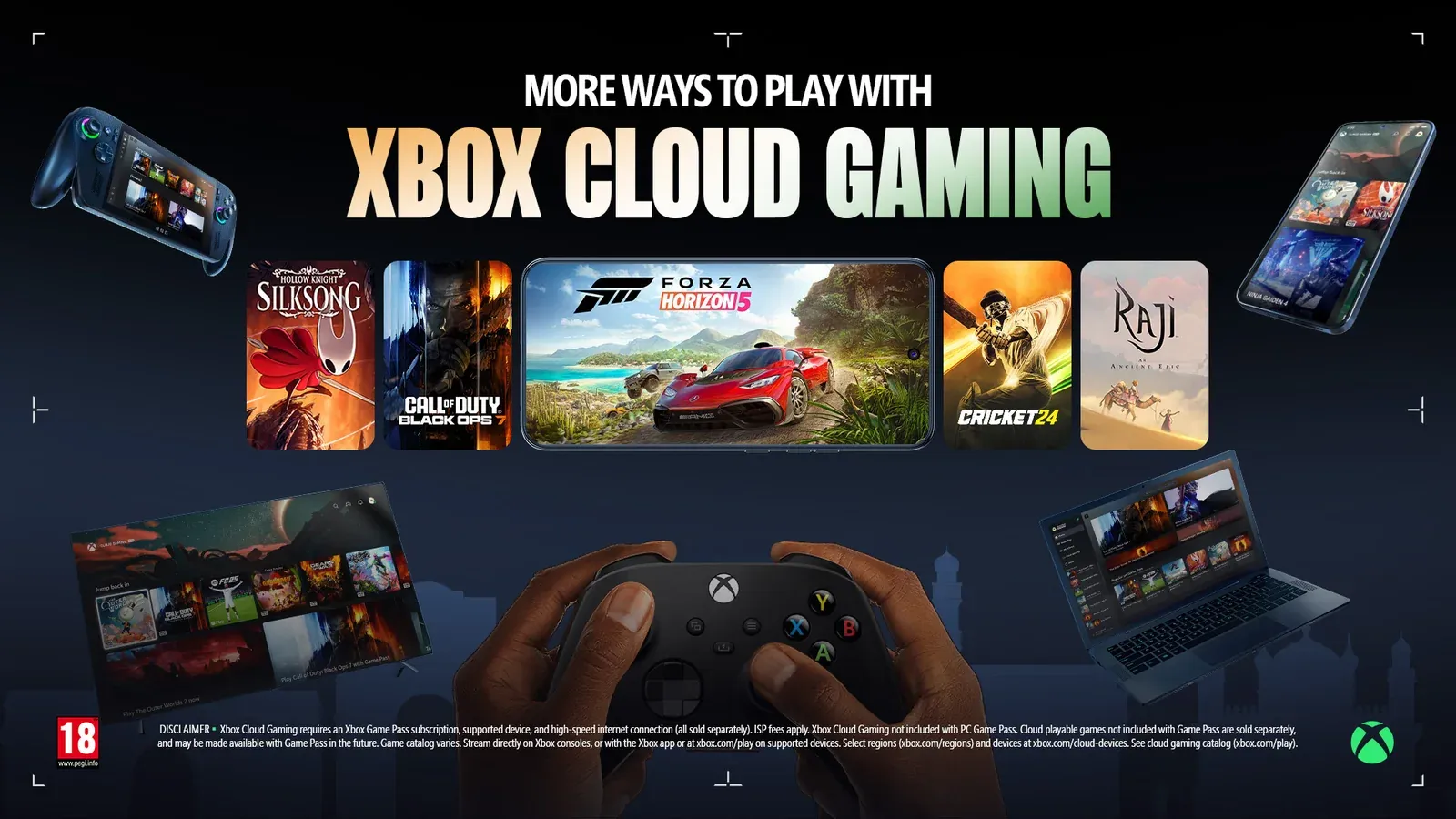

Microsoft is testing Xbox Cloud Gaming playtime packs with Xbox Insiders, introducing hourly cloud gaming costs that have sparked pushback over value, access, and Game Pass limits.
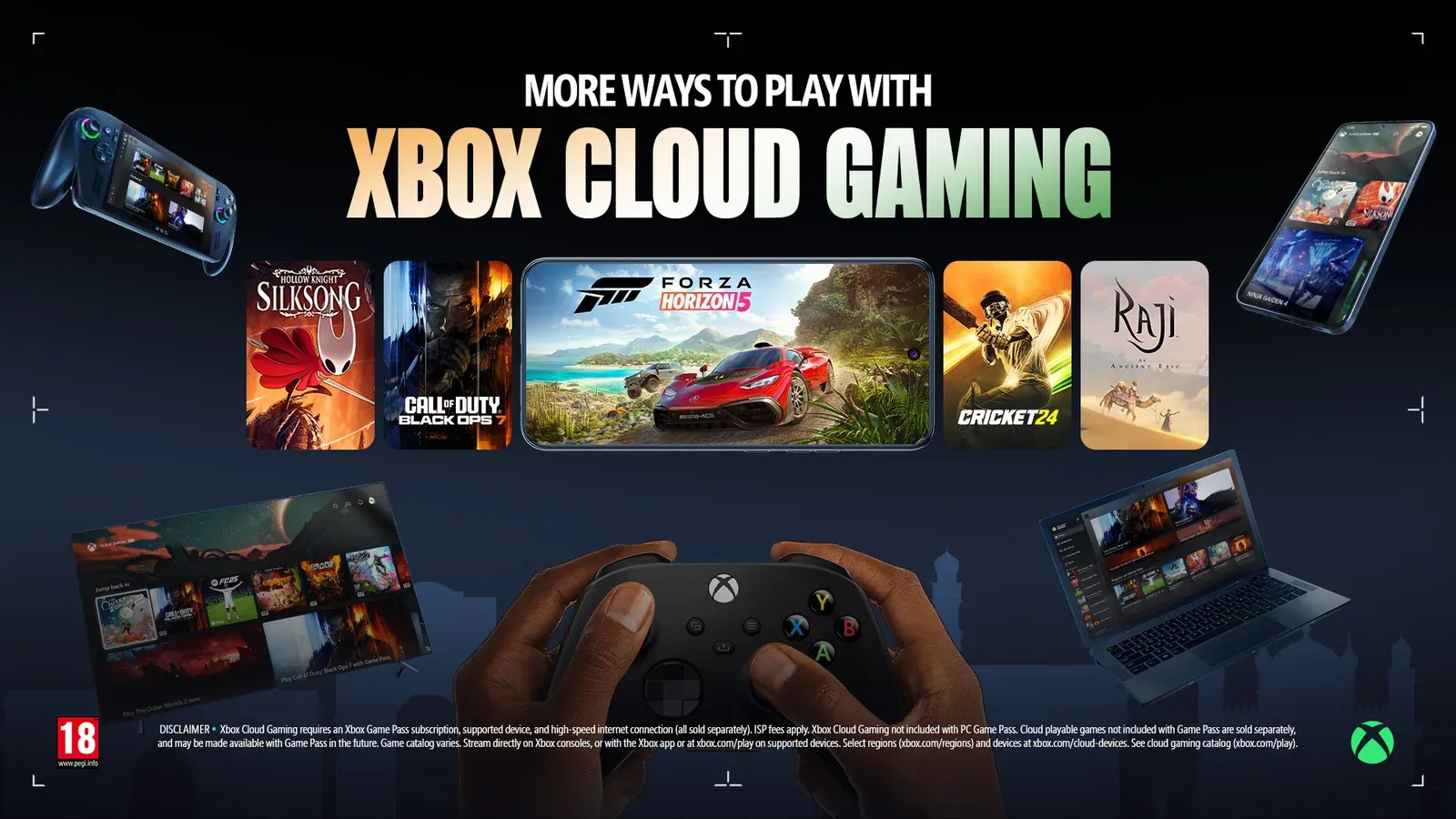
Image: techtroduce.com
Microsoft puts a price on cloud hours
Microsoft has started testing paid Xbox Cloud Gaming playtime packs with Xbox Insiders, putting concrete numbers on a cloud-streaming model that was already drawing criticism after Game Pass lost unlimited cloud access. According to Xbox Wire details reported by Kotaku, TheGamer, 9to5Google, DualShockers, and Console Creatures, eligible Insiders can now buy ad-free cloud playtime without an active Game Pass subscription: 10 hours for $3.99, 25 hours for $7.99, or 50 hours for $11.99.
That makes the new Xbox Cloud Gaming price easy to understand and harder to judge. At the smallest pack, the Xbox game streaming cost is about 40 cents per hour. The 25-hour option falls to roughly 32 cents per hour, while the 50-hour pack lands at about 24 cents per hour. The packs are being described as introductory pricing, and TheGamer notes that the current prices could change in the future.
The immediate tension is that Microsoft is selling flexibility at the same time it is limiting something players had treated as part of a premium subscription. Console Creatures reports that Xbox said Game Pass cloud changes affect new purchases and will not affect a current subscription in a user’s market as long as that user stays on an auto-recurring plan. Xbox also said that if a subscriber cancels and repurchases, they will receive a set number of cloud gaming hours each month based on their plan. The company said it would provide at least 60 days’ notice if changes affect an existing account.
Who the new Xbox cloud gaming pricing plans affect first
For now, the paid playtime packs are an Xbox Insider test. DualShockers reports that the preview began on October 21, 2026, with a wider public release expected sometime in November, though no exact date has been announced. Kotaku also reports that Microsoft expects the program to roll out more broadly in November.
The people most directly affected at launch are eligible Xbox Insiders who want cloud streaming access without maintaining a Game Pass subscription. The key detail is that these packs pay for streaming time, not for ownership of games or automatic access to the full Xbox catalog. DualShockers stresses that buying cloud playtime does not unlock every game available through Xbox. Players are limited to games that support cloud play, and the cloud pack is not a replacement for buying games.
Existing Game Pass customers sit in a more complicated position. Console Creatures quotes Xbox as saying current auto-recurring subscriptions are not affected “at this time” in the customer’s market. That phrasing matters because it draws a line between existing subscriptions, new purchases, and accounts that cancel and later rejoin. Console Creatures also reports that some regions may not see a price increase, based on Game Pass subscriber reports, so this is not necessarily a single global experience on day one.
The practical read is straightforward: if you are an existing Game Pass subscriber on an auto-recurring plan, do not assume the new Xbox Cloud Gaming pricing plans immediately change your account. If you cancel and return, Microsoft’s own notice as quoted by Console Creatures says you may come back under a plan with a set monthly cloud-hour allowance.
The value argument depends on how often you stream
The new model creates a clean economic split between occasional cloud users and habitual streamers. For someone who plays a few hours while traveling, away from a console, or testing a game on another screen, a $3.99 or $7.99 pack may be easier to justify than a recurring subscription. DualShockers makes that point directly, arguing that occasional players could benefit from buying a small number of hours instead of paying every month for a subscription they barely use.
The calculation changes quickly for heavy users. Kotaku compares Microsoft’s new structure with Nvidia GeForce Now, noting that Nvidia’s cloud gaming service requires players to already own their games but provides up to 100 hours of “premium monthly playtime” for $10 per month. Kotaku also reports that Game Pass Ultimate is currently $23 per month and caps cloud streaming at 15 hours, while offering access to hundreds of games instead of requiring ownership on other storefronts.
Those comparisons are imperfect because the services bundle different things. GeForce Now is primarily selling access to remote hardware for games players already own. Game Pass Ultimate is selling a subscription catalog, online benefits, and cloud access under one umbrella. The new Xbox packs sit between those ideas: cheaper than a full subscription in small doses, but purely metered once cloud hours become the main thing a player uses.
That is the strategic risk for Microsoft. Metering turns cloud play from an invisible perk into a visible meter. Once players see the clock, they start comparing every session to every other entertainment bill. A 50-hour pack at $11.99 may look reasonable for irregular use, but a player who streams like cloud is their primary platform will reach the point where the old unlimited expectation makes the new structure feel like a downgrade.
Free streaming exists, but access comes with tradeoffs
Microsoft is also moving ahead with free, ad-supported cloud gaming. Console Creatures reports that Xbox offers free ad-supported cloud gaming for players who do not want to sign up for Game Pass. TheGamer says the paid packages are releasing alongside a free cloud gaming version with ads for users without a Game Pass subscription.
The free option is not the same product as the paid playtime packs. 9to5Google reports that the paid packs provide ad-free streaming, while the free ad-supported route comes with longer wait times and lower-quality streaming. Shattered’s earlier coverage of the Xbox Insider ad-supported test said Microsoft began letting Insiders stream games they already own for free on July 23, 2026, with one-hour sessions and ads before sessions begin rather than during gameplay. Shattered also noted that Microsoft’s announcement did not name every supported device and region.
That creates a three-lane model. Players can use a subscription with whatever monthly cloud limits apply to their plan, buy ad-free cloud hours separately, or accept a free ad-supported experience with restrictions. From a business perspective, that is a classic segmentation move: heavy catalog users, occasional cloud users, and price-sensitive players each get a different path. From the player side, it can feel like Xbox is replacing a simple promise with a pricing maze.
The access question is bigger than the sticker price. If cloud gaming is supposed to lower the barrier to Xbox games, then players will judge the new model by whether it removes friction or adds new points of confusion. Needing to track eligible games, plan status, regional treatment, ad-supported limits, wait times, and hourly balances is a lot of overhead for a feature that used to be understood as part of Game Pass Ultimate.
Why the backlash is hitting value and trust at the same time
The Xbox Cloud Gaming controversy is not only about whether 40 cents per hour is high or low. It is about players reacting to a perceived shift in the deal. TheGamer reports that many players have expressed disappointment, with some comparing the model to pay-as-you-go phone bills and others calling it a poor deal compared with the unlimited access that had previously been attached to Game Pass. Console Creatures’ coverage is openly critical, calling the shift “ridiculous” and arguing that Xbox is pushing people away.
Microsoft’s stated rationale, according to Console Creatures, is that “the cost of providing cloud gaming grows as more people use it and play for longer.” Xbox also said that moving to monthly limits lets it keep offering the service while continuing to invest in reliability and performance. That is the server-side reality of cloud gaming: every streamed hour has an infrastructure cost, and the most dedicated users consume the most capacity.
The problem is that the customer-side reality is different. Players remember the promise they were sold, not the cost curve behind it. When unlimited cloud access becomes capped hours, add-on packs, and a free tier with ads, the product may become more financially sustainable for Microsoft while feeling less generous to the people who helped normalize it.
This is where the long-term strategy gets delicate. If Microsoft wants cloud to be a serious access layer for Xbox, it needs players to treat it as dependable. If every expansion of access arrives with new limitations, cloud risks being seen as a convenience feature rather than a platform pillar. That does not mean the model cannot work, but it does mean the pricing has to feel predictable and the account rules have to be communicated cleanly.
Should players buy cloud playtime now or wait
For most players, the sensible move is to wait unless they are already in the Xbox Insider program and have a specific short-term use case. The current packs are introductory, the public rollout is expected in November without a confirmed date, and Microsoft has not presented this as the final permanent shape of every regional plan.
If you rarely stream and already own cloud-supported games, the 10-hour or 25-hour pack could be a reasonable test once available. If you stream frequently, the math deserves closer attention. Compare your real monthly cloud usage against the cost of repeated playtime packs, your Game Pass tier, and alternatives such as GeForce Now, remembering Kotaku’s important caveat that those competing services may require you to own the games separately.
Existing Game Pass subscribers should be especially careful before canceling. Based on Xbox’s note quoted by Console Creatures, staying on an auto-recurring plan may preserve current treatment in your market for now, while canceling and repurchasing can move you into the newer structure with a set cloud-hour allowance.
The unresolved questions are the ones that will decide whether this settles down or grows into a larger Xbox Cloud Gaming controversy: final public pricing, regional differences, exact plan allowances, how clearly Microsoft displays remaining hours, and whether free ad-supported streaming feels like a genuine access option or a fallback with too many compromises. Until those answers arrive, the new Xbox cloud gaming pricing plans are best understood as a test of player tolerance as much as a test of cloud economics.