
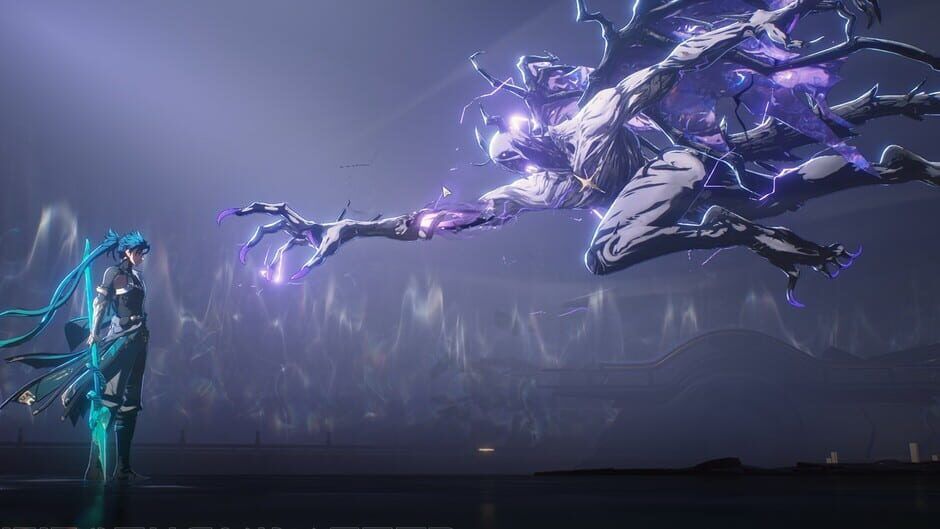

Version 3.3 is Wuthering Waves’ second anniversary milestone, bringing a new Voidspace region, climactic quests, generous rewards, and unusual collab cosmetics. We look at how well Kuro Games is using the anniversary to drive retention and broaden the game’s identity.
A Second Anniversary Built Around a Final Frontier
Wuthering Waves has hit its second anniversary with Version 3.3, “Reverbs From the End of Galaxies,” and Kuro Games is clearly treating this patch as more than a routine story update. This is positioned as a late‑chapter escalation, a reward shower, and a brand experiment all at once, centered on a new region that pushes the game’s sci‑fantasy setting into stranger territory.
Instead of another slice of Solaris‑3, players are steering the Exostrider through the Stridergate into Voidspace in pursuit of Aemeath. Framing the anniversary around a journey into an unknown frontier is a smart way to make returning for Year Two feel like stepping into a new phase of the game rather than simply checking off dailies for free pulls.
Voidspace and the New Story Arc
At the heart of 3.3 is the main quest push that sends Rover beyond familiar ground. Voidspace is pitched as a hostile, liminal zone tied directly to the late‑game stakes. Narratively, it promises to be less about local politics and more about the existential threat that has been looming over the story since launch.
The update splits its narrative beats into a staggered schedule. On April 30, Chapter III Segue: Wishes in the Bell and Chapter III Act V: Starlights from Yesterdays arrive together, forming the first half of this late‑chapter climax. A follow up, Chapter III Segue: Beneath a Melting Night Sky, lands later on May 21. That pacing matters for retention. Rather than front‑loading everything into week one, Kuro is giving players a reason to come back a few weeks later for the resolution, which can keep lapsed players from simply binging and uninstalling.
Mechanically, Voidspace is also an opportunity to refresh exploration. The Exostrider and Stridergate framing give Kuro room to introduce traversal sequences and set pieces that feel unlike the surface world. While the PlayStation blog and early coverage keep specifics vague, the tone suggests a more surreal, space‑adjacent environment that leans into the game’s science fiction side. That helps Wuthering Waves stand out in a genre dominated by greenery, ruins, and floating islands.
Hiyuki and Denia as Combat Identity Anchors
Anniversary patches are often judged as much by their banner characters as by their story, and 3.3 leans into that with two new five star Resonators, Hiyuki and Denia. On the surface they are standard gacha tentpoles. Underneath, they reinforce different facets of Wuthering Waves’ combat identity.
Hiyuki is a Glacio sword user centered on ice and “Glacio Chafe.” Her kit revolves around creating and empowering multiple ice weapons and entering frost enhanced states that spike damage during carefully timed windows. She plays into the game’s emphasis on aggression and precision. Her design underlines the stylish, almost rhythm game pacing that Kuro has been slowly pushing through recent balance changes.
Denia, by contrast, is a Fusion rectifier user built around dual modes. She can pivot between Fusion Burst and Tune Strain, swapping from more controlled, bubble like attacks to an aggressive Breakdown Form that fills the screen with clawed manifestations. This duality sells one of Wuthering Waves’ better strengths compared to its peers, a willingness to give characters complex phase shifting kits that reward mechanical mastery instead of just rotation memorization.
For retention, that matters. Players who have stuck around for two years are often the ones who enjoy squeezing depth out of the combat system. By framing anniversary banners around mechanically distinctive kits rather than purely story novelty, Kuro is reinforcing Wuthering Waves’ identity as the more execution heavy cousin in the anime action RPG space.
The New Quests and Cosmetic Progression Hooks
Beyond the main march into Voidspace, 3.3 weaves in side content that connects rewards directly to story completion. Finishing Starlights from Yesterdays unlocks a new Terminal appearance, the Frequency Cassette Recorder. That is a small detail, but it is the right direction for retention design, tying cosmetic milestones to narrative milestones rather than to raw grind.
The Star Bouncing event goes further by recontextualizing combat downtime into a themed minigame. Presented as a pinball style side activity, it hands out Astrites, an exclusive title, an Echo, and outfit accessories. While the reward list looks familiar for a live service event, the key is that Star Bouncing gives long time players something novel to do with their minutes between world boss timers and quest chains. Consistently giving players playful intermissions between heavier story beats is a soft but important form of retention.
On top of this, the Second Coming of Solaris Collab Season layers in progression with a seasonal framing. Here, the rewards include 10 Forging Tides, 10 Lustrous Tides, an anniversary Sigil, a motorbike livery, and an outfit accessory. Bundling gacha pulls with visual flair and a named season gives veterans a more coherent sense of “I was here for that chapter” compared to a pile of generic log in bonuses.
A Reward Strategy That Actually Feels Celebratory
Anniversary events rise or fall on whether their rewards feel like genuine celebration or just thinly veiled retention tactics. Version 3.3 falls on the better side of that line. Kuro is handing out a headline figure of 40 free pulls across various event and log in tracks. That is a meaningful amount of gacha currency in a game where high rarity Resonators pressure players to engage with every banner.
The package does not stop at pulls. Astrites, Echoes, outfit accessories, and a Second Anniversary Avatar flesh out the sense that this is a full festival rather than a single login campaign. Even the little extras, such as Crystal Solvents for extra farming and the Frequency Cassette Recorder Terminal skin, add up. Importantly, many of these rewards are tied to playing Version 3.3 content rather than simply showing up on day one, which nudges lapsed players to actually experience the new quests and region.
The staggered login bonuses, including another wave of rewards arriving on May 23, are classic retention levers. Yet in the context of a patch that already has scheduled story drops, they form part of a broader cadence. Players are not just returning to click through menus; they are coming back around specific narrative and event beats.
Branded Collabs and the Edges of Identity
The most eyebrow raising piece of the anniversary picture is the branded collaboration content. Instead of sticking to purely internal aesthetic themes, Kuro is leaning into a mix of motorbike related cosmetics and crossover items that read more like real world brand partnerships than traditional fantasy crossovers.
The Solaris collab season is one aspect, centered on a motorbike livery that effectively reskins a key traversal and style element. In parallel, PlayStation specific coverage highlights collab rewards themed as premium cosmetics, including items that evoke survival horror stylings more commonly associated with other franchises. On paper this sounds like an aesthetic clash with Wuthering Waves’ clean sci‑fantasy vibe. In practice, these collabs are contained primarily to cosmetics rather than core story or mechanics, which keeps them from overwhelming the game’s tone.
For identity, the question is whether this strategy strengthens or dilutes what makes Wuthering Waves distinct. On one hand, prominent branded collabs can risk turning any live service into a platform where external IP takes center stage. On the other, they can underline the game’s own style by framing those items as playful side content. Here, Kuro appears to be taking the safer path. The headliners of 3.3 are still Voidspace, the late chapter story climax, and the new Resonators. The collab gear functions as an optional flair layer for players who enjoy the novelty.
Is Kuro Succeeding at Retention and Identity Expansion?
Looking at Version 3.3 as a whole, Kuro’s second anniversary strategy threads a careful line. The structure of the update is built to keep players engaged across weeks, with a strong story hook that pushes into a new region, time gated main quest chapters, and event pacing that lines up with login reward cycles. That is classic live service design, but here it is anchored by a genuine narrative inflection point rather than just a new raid boss.
In terms of identity, 3.3 doubles down on what has differentiated Wuthering Waves since launch. It leans into surreal sci‑fantasy with Voidspace, emphasizes complex, execution heavy characters in Hiyuki and Denia, and continues Kuro’s habit of tying cosmetic and progression hooks to story beats. The branded collab elements flirt with tonal whiplash, yet they stay peripheral enough that they serve more as experimental edges than as a new core pillar.
If there is a risk, it lies in expectations. A climactic chapter framed as a journey beyond the known world creates a bar that future patches will need to clear. Collabs, once introduced, are also hard to roll back without disappointing segments of the playerbase. For now, though, Version 3.3 feels like a confident anniversary statement. It invites lapsed players to see where the story is heading, rewards regulars generously for their time, and nudges the game’s aesthetic boundaries without losing sight of the sci‑fantasy combat showcase it set out to be.
For an anniversary update tasked with keeping a two year old live service relevant, that is a solid place to be.