
Blizzard says WoW Forever layering will change for launch, with group-transfer prompts, tunable zone caps, guild-aware placement, and unresolved questions for queues, PvP, Oceanic timing, and social play.
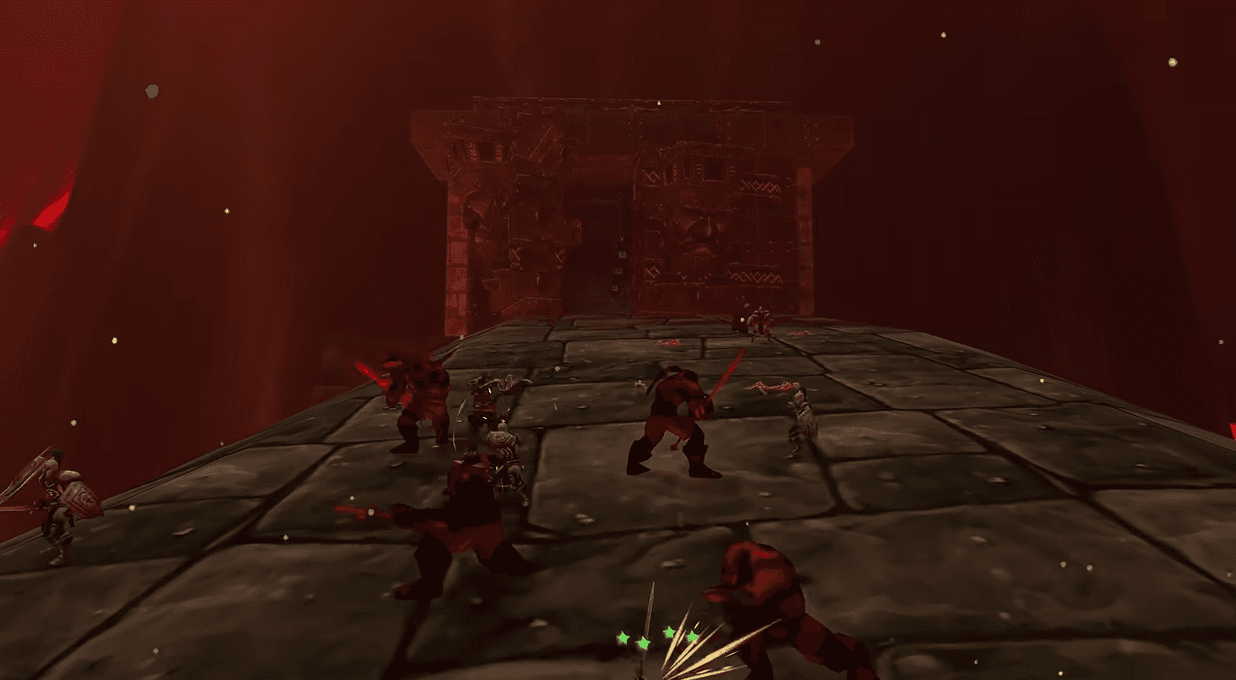
Image: mmoexp.com
Blizzard’s launch fix targets the moment players felt the world break
The most important WoW Forever layering change for launch is also the most practical one: joining a group or guild should no longer instantly move a player to another layer. According to MMOHuts’ summary of Blizzard’s sixth WoW: Forever Podcast, Blizzard said the beta behavior where an invite alone could move players between layers was a bug. At launch, joining a group or guild is supposed to show a prompt with a time window, letting players choose when to refresh into the other world state.
That detail matters because the complaint was never simply that World of Warcraft: Forever uses layering. The sharper beta problem was loss of control. A player could be questing, traveling, or standing near danger, then find the population around them reshuffled because of a social action that usually feels harmless in World of Warcraft. Blizzard’s launch answer, as reported by MMOHuts and TimeSaver’s breakdown of the official podcast, is to keep the group-sync function while making the transition player-confirmed rather than immediate.
World of Warcraft: Forever is scheduled to launch globally on November 4 at 3:00 p.m. PST, according to MMOHuts. TimeSaver lists the same WoW Forever launch timing as 23:00 UTC and identifies the release as November 4, 2026. Blizzard’s changes therefore arrive at the point of maximum stress for the system: the first hours when starter zones are full, guilds are trying to assemble, and players are testing whether this version of Azeroth can feel populated without feeling chaotic.
How WoW Forever layering is supposed to work at launch
Blizzard’s explanation, as collected by MMOHuts and TimeSaver from the “All About Tech” podcast episode, describes a system built around zones or small groups of zones rather than a single unbroken copy of the entire world. TimeSaver cites Senior Game Designer Josh “Aggrend” Greenfield saying that each zone, or a small grouping of zones, is its own layer, and that Blizzard can tune which zones are connected.
The Durotar and Orgrimmar example is the cleanest way to understand the design. At launch, Durotar is expected to carry the pressure of newly created characters, while Orgrimmar may be less crowded. A month later, that balance can flip as players spend more time in capital-city services, trade, guild logistics, and travel hubs. MMOHuts reports that Blizzard can change the groupings over time, meaning Durotar may need different handling at launch than Orgrimmar does later.
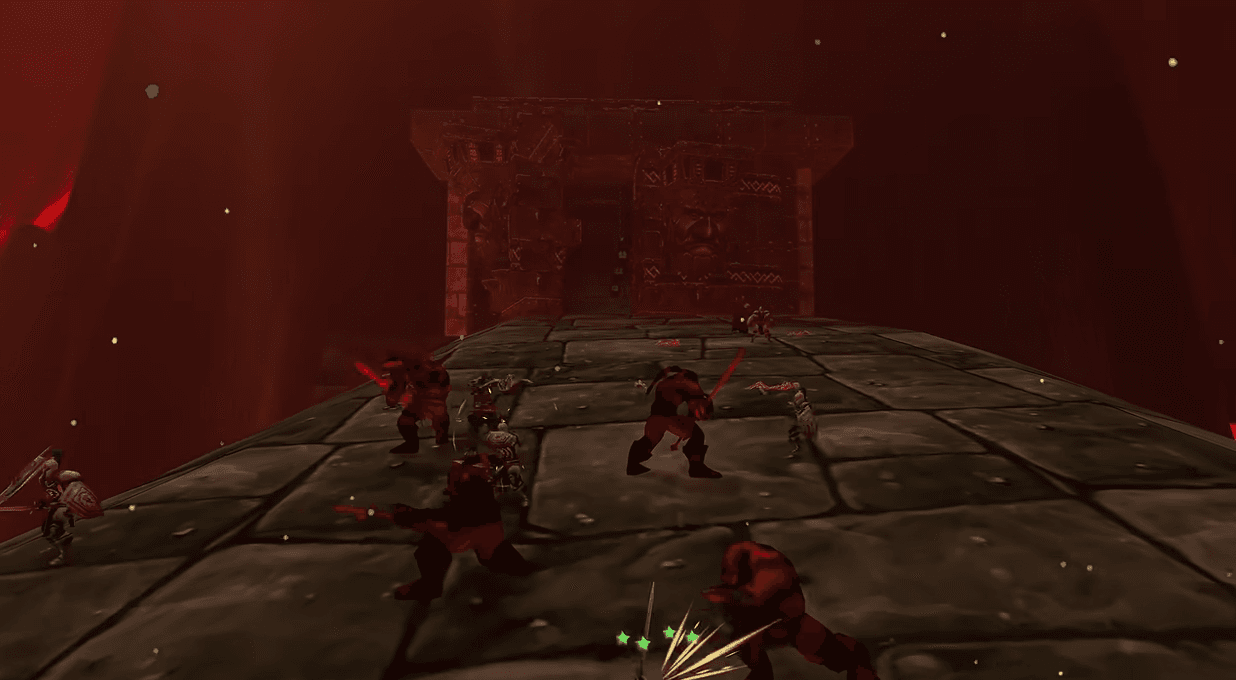
This is also where the launch improvement has limits. Blizzard said late beta fixes largely cleaned up zone-edge pop-in, including the kind of player appearing and vanishing behavior seen near Orgrimmar’s gate, according to MMOHuts. TimeSaver’s account of the podcast adds that Blizzard said players should not see that specific Orgrimmar exit pop-in clip when the game goes live. But the same sources stress that zone edges and world refreshes can still happen. Greenfield is cited by TimeSaver as saying the game will not be “a perfect contiguous world at all times.”
So the promise is not a seamless Azeroth. The promise is a less disruptive version of the layered Azeroth players saw near the end of beta, with fewer involuntary social splits and more deliberate refresh points.
Queues are the unanswered launch question, not the solved one
Players searching for WoW Forever layering details before November should separate three related issues: login queues, realm population, and in-zone crowding. The source material gives us meaningful answers on the last two. It does not give us a firm promise that the new layering behavior will erase launch queues.
MMOHuts’ earlier report says Blizzard described layering as the technology for running multiple versions of the same world at once, with the studio trying to preserve a “small-realm-feel” while supporting a higher-capacity setup. That indicates the system is meant to let Blizzard host more players on a realm than a strictly single-copy world could comfortably hold. It also explains why layering remains part of WoW: Forever’s infrastructure rather than a temporary beta oddity.
What Blizzard has specifically discussed is population tuning inside the world. MMOHuts reports that population caps are adjustable, and that Westfall and the Barrens were too crowded early in beta, so caps were lowered as testing continued. TimeSaver similarly cites Greenfield saying zone population caps can be tuned per zone, with early beta Westfall and the Barrens feeling “really full” before Blizzard adjusted them within days.
That is a lever for overcrowded questing, mob competition, and the feeling that a starting zone has become unreadable. It is not the same as a published login-capacity guarantee. If World of Warcraft Forever draws enough players on November 4, login queues may still depend on broader account, realm, and infrastructure limits that Blizzard has not detailed in the provided sources. The practical expectation is that WoW Forever layering may smooth where players land after they enter the world, while the actual queue experience remains one of the major launch-day unknowns.
Realm population is being tuned around familiarity, not total randomness
The most interesting part of Blizzard’s layering philosophy is that it is trying to preserve repeated social contact inside a system that can split the world into copies. MMOHuts reports that the game will try to place players near people they have grouped with, guildmates, nearby guilds, and players using the same client language. TimeSaver’s podcast notes add that guild members who are not currently grouped should still end up in worlds with their guild’s community.
That is a very specific design target. Classic-style play depends on recognizing names: the priest who saved a pull in Westfall, the warrior who always contests the same ore route, the mage selling portals, the rival guild moving as a pack. Blizzard appears to be acknowledging that raw density is not enough if every login feels like a reshuffled crowd. A realm can be full and still feel socially thin if the system fails to keep communities recurring.
There are boundaries to that social sorting. MMOHuts reports that ignoring someone will not remove that person from your world. That means the ignore list remains a communication and interaction tool, not a personal layer filter. Players should not expect to curate their shard by blocking rivals, griefers, or resource competitors.
PvE and PvP players also will not group together at launch, according to MMOHuts, mainly because of economy and farming concerns. Roleplay rulesets could later get shared auction house or dungeon options if populations shrink, but MMOHuts reports that nothing is planned right now. That distinction is important for anyone choosing a ruleset on day one. Blizzard is leaving itself room to adjust for population health later, but the launch structure is still divided along ruleset lines.
World PvP, events, and Oceanic timing expose the tradeoffs
Layering has always been most controversial when it collides with emergent play. A quest hub can tolerate a refresh if the player controls the timing. A world PvP chase, a rare spawn race, a boat trip, or a guild march across a zone boundary is less forgiving. MMOHuts’ earlier report says Blizzard had already called out problem areas such as players being separated from others they saw on boats or zeppelins after loading screens, and large groups being shifted into different layers when entering or leaving capital cities.
World PvP remains the obvious pressure point. MMOHuts noted that one concern not directly addressed in Blizzard’s earlier statement was layer switching when crossing zone boundaries, a sticking point for some world PvP players. The later podcast coverage gives a partial answer: refreshes and zone-edge behavior still exist, even if specific beta bugs have been cleaned up. MMOHuts also reports that larger “army” groups for world PvP, timed events for Mak’gora Arena, world bosses, and proximity voice chat were discussed as ideas that are not locked in. Players should treat those as concepts, not launch features.
Icy Veins adds another angle from Blizzard’s discussion of holiday events. Principal Software Engineer Frank Williams is quoted as saying, “I don’t think there’s too much different necessarily at launch” when discussing holidays, while also saying Blizzard focused on “building a solid foundation.” Icy Veins reports that the team did a complete overhaul of the layering system and world-state system after prominent layering issues in Season of Discovery’s massive PvP events. In other words, Blizzard is positioning the rebuild as infrastructure for recurring crowded moments, not only for the November 4 rush.
Oceanic day and night timing shows the social cost of that infrastructure. MMOHuts reports that Blizzard has hardware in Australia and could set those worlds to Australian time, but grouping with an American-led party could cause a sudden day-to-night shift. Blizzard is asking Australia and New Zealand players whether that tradeoff is worth it. That is the layering problem in miniature: keeping people together across technical boundaries can make the world feel less physically consistent.
How to approach November 4 if you are playing with friends or a guild
The safest launch-day assumption is that the end-of-beta server behavior is the baseline. MMOHuts reports that Blizzard told players to expect the server behavior seen at the end of beta for launch. There will be no podcast during launch week, with the show expected to return about two weeks later for a lore-focused episode, according to the same report.
For group play, the key habit is to treat the world-refresh prompt as a real decision rather than a background notification. If you are in combat, escorting, traveling through a contested area, or holding a rare tag, wait for a safer moment before accepting. Blizzard’s reported change gives players agency, but it also makes timing part of the launch-day routine.
For guilds, the outlook is better than it was during the beta complaints, at least on paper. The system is supposed to favor guildmates and familiar players, and group joins should no longer yank someone without warning. Still, manual layer selection and exact zone caps remain unannounced in the provided reporting. If your guild is planning a coordinated leveling route, world PvP night, or roleplay gathering, build in time for people to settle into the same world state.
For solo players, the biggest effect may be less visible but still meaningful: Blizzard can lower or raise zone caps and change which zones share layers as population moves. That can reduce the worst overcrowding in places like Westfall or the Barrens, based on the beta examples Blizzard discussed, but it can also mean the world occasionally refreshes at boundaries.
One final launch housekeeping note sits outside layering but affects identity and social visibility. Gamepur describes WoW Forever name settings through a guide on hiding a second name and explains that the game uses a new two-name system. That is separate from whether you share a layer with someone, but it is worth checking before November if you care about how your character appears to strangers, guildmates, and the broader realm community.
Blizzard’s WoW Forever layering changes are therefore best read as a control and cohesion update, not as a guarantee of a frictionless launch. The system is designed to make crowded realms possible while keeping guilds, languages, and familiar players closer together. Whether that balance survives the first evening of World of Warcraft: Forever will depend on the parts Blizzard has not quantified yet: launch demand, actual queue behavior, and how gracefully those world refreshes feel when everyone reaches Azeroth at once.