
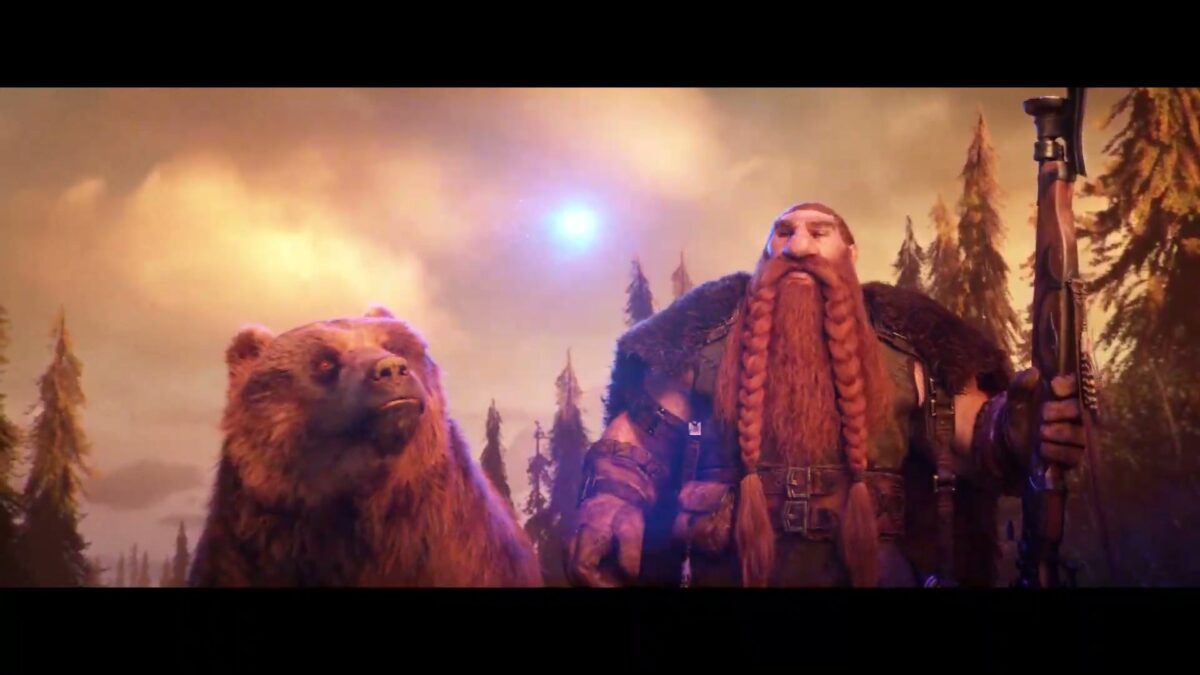
Blizzard has announced World of Warcraft Forever at BlizzCon 2026, turning the long-rumored WoW Classic Plus idea into a permanent Classic-style timeline with new zones, quests, dungeons, raids, and a level 60 cap.
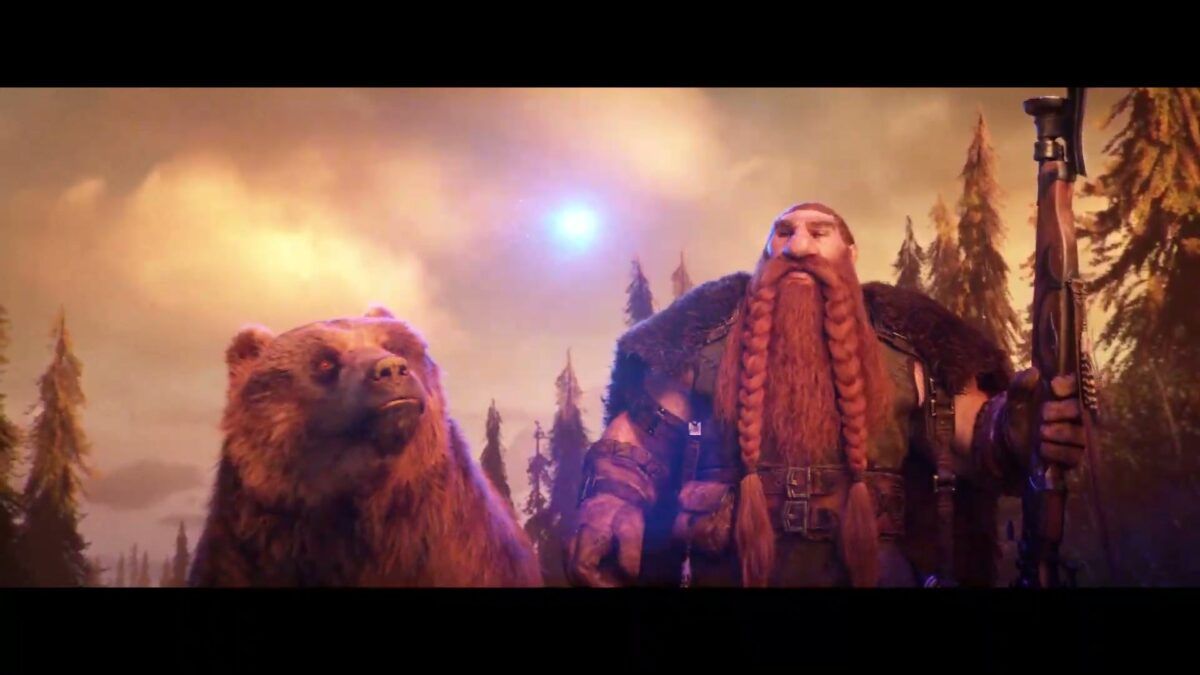
Image: outputlag.com
Blizzard finally names the Classic Plus branch, but leaves key logistics open
World of Warcraft Forever is Blizzard’s official answer to years of WoW Classic Plus speculation, and it is arriving quickly. At BlizzCon 2026, Blizzard announced the new World of Warcraft Classic project for a November 4, 2026 launch, with Polygon, PCGamesN, and Output Lag all reporting a beta start date of September 17. Output Lag also reports that Forever will run as a third version of the game alongside modern World of Warcraft and Classic.
That is the concrete news. The tension is that Blizzard has now formalized an alternate World of Warcraft timeline without, at least in the material reported from the opening ceremony, answering several practical questions that determine how players will actually move into it. Output Lag reports that price and subscription model were not mentioned, platforms were not listed, and Blizzard did not say whether existing Classic characters carry over or whether everyone starts fresh.
For Classic players, that omission matters because Forever is being positioned as a home, not a seasonal experiment. MassivelyOP’s BlizzCon headline describes Blizzard’s pitch as a “permanent home” for Classic players, while PCGamesN quotes executive producer Holly Longdale calling it “your new permanent home” and “a new beginning that never ends.” That promise changes the stakes. A permanent branch asks players to invest in characters, professions, reputations, social circles, and raid rosters with the expectation that the world will keep expanding inside a specific ruleset instead of marching into The Burning Crusade or resetting around a short-lived seasonal gimmick.
A level 60 Azeroth with new history instead of expansion progression
The defining rule of World of Warcraft Forever is that it stays anchored in vanilla-era World of Warcraft. Polygon reports that Forever exists in a “time bubble” set during the first year of the original MMO, while PCGamesN says Longdale described the story as beginning after the events of Warcraft 3 Reforged: Forsaken Kingdom, “essentially year one of vanilla WoW.” Output Lag places the stage explanation after the fall of Lordaeron in Forsaken Kingdom but before Molten Core, with the future left untold.
The progression ceiling is the clearest systems commitment Blizzard has made so far. PCGamesN reports that Longdale said the level cap will remain 60 “indefinitely,” and Polygon similarly reports that Forever will maintain a level 60 cap for the foreseeable future. That immediately separates World of Warcraft Forever from the historical Classic progression path, where nostalgia eventually became a ladder through later eras of the MMO.
As an RPG structure, that choice is more radical than it may sound. A fixed cap means Blizzard cannot rely on the familiar expansion solution of adding ten levels, replacing gear, and moving the center of gravity to a new continent. If Forever works as pitched, character growth has to come from breadth: new quest routes, horizontal rewards, professions, reputations, talent choices, account-wide perks, and encounter design that gives level 60 characters new reasons to keep playing without making older endgame irrelevant overnight. Blizzard has announced several of those ingredients, but the long-term tuning philosophy is still unproven.
What World of Warcraft Forever adds to vanilla’s map and leveling game
Blizzard’s feature list, as reported by Polygon and PCGamesN, is substantial for a project built around an older version of Azeroth. Polygon reports that Forever will include three new zones, multiple overhauled existing zones, more than 1,000 new quests, a new PvP Battleground called Darkspear Islands, nine new dungeons, new professions and reputations, updated world visuals, two max-level raids for 10-player and 20-player groups, and Skyborne Elves as a new race whose home is located in one of the new zones.
PCGamesN adds that Blizzard described new skills and talents, unique race and class combinations, new items and rewards, account-wide perks, and Hardcore support as an optional extra. The outlet also reports a world-spanning visual overhaul with an option to toggle character models between “SD” and “HD” versions.
The important part for Classic players is that Blizzard is not describing Forever as a raid-only continuation. Polygon says the new content is being designed for players throughout the level bracket, not solely for level 60 characters. That fits the stage pitch reported by Polygon and PCGamesN, where Longdale framed Forever around the world as the central attraction and the journey over the destination.
If Blizzard follows through, Forever could shift Classic’s pressure points. Vanilla WoW’s leveling game is famous for friction: awkward travel, uneven quest density, dangerous pulls, class-specific weaknesses, and the social glue that forms when a zone asks players to cooperate. Adding over 1,000 quests and nine dungeons without flattening that texture is a delicate design problem. Too much convenience risks turning Forever into a modernized leveling corridor. Too little new connective tissue risks recreating the same bottlenecks with a different quest text wrapper. Blizzard has promised a world-first approach, but the beta will be the first real test of whether new content feels authored for vanilla’s pace rather than imported from later World of Warcraft habits.
Blizzard is formalizing a second canon for how WoW could have grown
The phrase WoW Classic Plus has always carried an implied question: what if World of Warcraft had continued from vanilla in a different direction? TheGamer describes Blizzard’s pitch in similar terms, writing that Forever effectively asks what the original game could have looked like if development had continued from vanilla instead of moving on to The Burning Crusade. Polygon calls Forever something that follows the principles of World of Warcraft Classic while adding new content within a defined time bubble.
That is why World of Warcraft Forever is bigger than a content patch for Classic. Blizzard is creating a maintained alternate branch of its MMO audience. Modern World of Warcraft continues through the current expansion track, with PCGamesN reporting that BlizzCon also included World of Warcraft: Midnight Eclipse details and that The Last Titan is coming in 2027. Forever, by contrast, is built around refusing the standard expansion treadmill. It keeps the cap at 60 and expands inside an earlier historical frame.
The business logic is plain enough from the structure Blizzard described. Classic has already proven there is a large audience for older WoW rules, but historical progression eventually runs into a problem: every re-release moves away from the version players first asked to preserve. Forever gives Blizzard a way to serve players who want old-world pacing, lower-level social dependency, and pre-expansion class identity without pretending that a 2004 game can remain untouched forever.
There is also a lore consequence. By placing Forever around year one vanilla, after Warcraft 3 Reforged: Forsaken Kingdom as reported by PCGamesN and Output Lag, Blizzard is giving itself room to add zones, races, raids, and factions without syncing every decision to the modern timeline. Skyborne Elves are the first clear sign of that approach. They are not being pitched as a modern expansion race folded backward into Classic. Polygon reports them as a new race tied to one of Forever’s new zones, which suggests Blizzard wants this branch to develop its own local history.
The Classic promise depends on restraint as much as content volume
For players who care about builds, quest flow, and long-term character identity, Forever’s most promising details are also the ones that carry the most risk. New skills and talents, as reported by PCGamesN, can refresh classes that vanilla veterans have solved for two decades. Unique race and class combinations can open roleplaying and party-building options that original World of Warcraft never allowed. New professions content and reputations can make non-raid progression matter again.
But Classic design is fragile because its inconvenience is part of its identity. A new talent can rescue a weak spec, or it can erase a class’s tradeoffs. An account-wide perk can reduce needless repetition, or it can undercut the slow character-by-character investment that makes early Azeroth sticky. A visual overhaul with SD and HD character model toggles, as PCGamesN reports, is a sensible compromise for players split between preservation and presentation, but it also underlines the broader challenge: Blizzard is trying to update the world without making it feel like a theme-park remake of itself.
The raid format choices are telling. Polygon reports two max-level raids for 10-player and 20-player groups, while PCGamesN also describes new raids in those sizes. That points toward a version of Classic endgame with smaller group demands than 40-player vanilla raiding, at least for the new raids Blizzard has announced. For guilds, that could be a practical improvement. For players attached to the logistical absurdity and server-scale identity of old raid teams, it may feel like a philosophical break. Blizzard has not yet detailed loot structure, lockouts, attunements, encounter difficulty, or how these raids sit beside Molten Core and other original endgame content.
Beta timing is close, though reports disagree on one point
The reported schedule is aggressive. Polygon says World of Warcraft Forever is playable on the BlizzCon 2026 show floor, with beta starting September 17 and launch set for November 4. PCGamesN gives the same beta and launch dates. Output Lag reports the same date from the BlizzCon stage screens and quotes Blizzard president Johanna Faries telling attendees that beta starts “this Thursday” and that show-floor visitors could play Forever at BlizzCon.
There is one conflict in the supplied reports. TheGamer says the beta begins immediately following the announcement, while Polygon, PCGamesN, and Output Lag report September 17. Given the date attached to the BlizzCon coverage is September 12, those cannot both be true unless TheGamer is using “immediately” loosely or referring to show-floor availability rather than public beta access. Output Lag further notes that no beta card was shown and that Blizzard did not explain how to get into the beta.
For readers deciding whether to prepare, the safe guidance is to treat November 4 as the announced launch date and September 17 as the reported beta start date unless Blizzard publishes a different access schedule. If you are expecting to transfer a long-standing Classic character, budget for a separate purchase, or confirm subscription requirements before recruiting friends, those details remain unannounced in the provided reporting. Output Lag specifically reports that Blizzard did not address price, subscription model, platforms, or character carryover during the reveal it covered.
A permanent home still has to earn permanence
World of Warcraft Forever’s announcement lands because it converts an old community demand into an official product line. Output Lag reports that Faries directly acknowledged the community label on stage, saying, “Yes, yes, yes, yes, this is Classic Plus.” Polygon frames the reveal as Blizzard confirming that the long-rumored Classic Plus project is real. PCGamesN calls Forever a reinvention of WoW Classic built to combine launch-day World of Warcraft’s appeal with two decades of advancements.
The strongest promise is permanence. The clearest constraint is level 60. The most consequential design ambition is an Azeroth where new zones, quests, dungeons, raids, talents, professions, reputations, and a playable race can exist without pushing Classic into the same expansion logic that created modern WoW. That is exactly the fork many Classic players have been asking Blizzard to take.
The unanswered questions are the ones that will decide whether Forever feels like a true home or another branch to sample for a season. Blizzard still needs to explain access, pricing, platforms, character rules, beta selection, and the cadence of future additions. It also needs to show how far “friendly, familiar, and new,” a phrase Polygon and PCGamesN attribute to Longdale’s presentation, can stretch before the familiar part gives way. For now, World of Warcraft Forever is the official WoW Classic Plus announcement players wanted. The harder work begins when players enter that alternate Azeroth and start asking whether its systems can sustain a journey Blizzard says is meant to last indefinitely.