
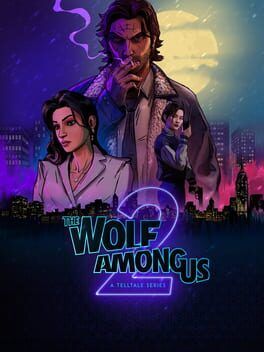
Early Gamescom 2026 impressions suggest The Wolf Among Us 2 still has Bigby’s neo-noir pull, but its unfinished presentation and unclear puzzle pacing leave Telltale with work to prove the sequel is ready.
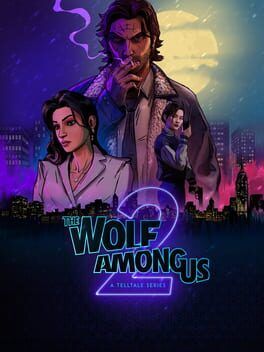
Image: IGDB
Store links: The Wolf Among Us 2 on Steam
Bigby is back, but the demo came with visible seams
The strongest concrete development around The Wolf Among Us 2 is also the source of its current tension: after years of silence and a 13-year gap for returning players, Telltale’s sequel was shown during Gamescom 2026 in a guided preview that reportedly captured the old game’s noir mood while still looking visibly unfinished in places.
Push Square’s hands-on coverage, based on a Gamescom session with Design Director Jess Hara Campbell and Principal Scene Coordinator Leslie Harwood, described a short hands-off demo that brought back familiar faces and the original voice cast for many returning characters. The outlet’s immediate reaction was warm. The opening moments, it said, felt familiar in the way longtime fans would want from a sequel to Telltale’s cult narrative adventure game.
The concern is harder to ignore because of the wait. Push Square reported missing visual effects, stand-in voice lines, and text boxes explaining features planned for the full release. GameBastion’s aggregation of industry coverage similarly framed the build as visually striking and narratively confident, but still carrying noticeable holes in dialogue and voice work, while noting that Telltale continues to caution that what has been shown remains work in progress.
That leaves The Wolf Among Us 2 in an unusual position. The sequel finally has enough public shape to discuss as a real game again, yet its first substantial preview beat asks fans to separate promise from polish. For a series built on timing, performances, panel-like framing, and the pressure of a conversation choice landing at the right second, unfinished presentation is not a cosmetic footnote. It is part of the storytelling machine.
The setup sounds like classic Wolf, with a sharper Mundy pressure point
The Gamescom 2026 impressions point to a sequel that is not trying to reinvent Bigby Wolf as a character or abandon the central appeal of the original. According to Push Square, The Wolf Among Us 2 takes place six months after the events of the first game and puts Bigby alongside Faye, a Mundy, or human, police officer investigating a serial killer. Bigby suspects the killer may be a Fable, while Faye does not know the truth about magic or the hidden Fable community.
That premise gives Telltale a clean dramatic fuse. The demo’s major choice, as reported by Push Square, asked whether Bigby should tell Faye about magic or protect the secrecy of Fabletown. Campbell and Harwood reportedly said that decision will affect the story and Bigby’s relationship with Faye.
For returning players, that is the right kind of pressure. The original game’s best scenes often forced Bigby to balance his role as investigator, enforcer, and symbol of fear inside a community that remembered what he used to be. The sequel’s Fable and Mundy partnership adds a different strain: Bigby is not only deciding how hard to push a suspect or how honest to be with a fellow Fable, he is deciding whether a human partner gets access to a hidden world that others have a stake in keeping buried.
Push Square’s account suggests the choice did not explode immediately. The writer chose to tell Faye about magic, and reported that she took it relatively well in the demo. That reaction raises a useful unanswered question rather than a red flag by itself. If The Wolf Among Us 2 is going to make this relationship one of its central engines, the consequences may need to arrive later, through trust, procedure, danger, or betrayal, rather than through one dramatic outburst in an apartment.
The new perspective could help investigations, if pacing survives it
The biggest design change described in the Gamescom coverage is the move to a new over-the-shoulder third-person perspective during exploration. In the demo Push Square saw, Bigby and Faye were locked in a Mundy’s apartment with an ominous runic table puzzle. The player explored the apartment, examined clues, and worked toward understanding the puzzle.
That shift matters because Telltale’s older house style often relied on controlled framing, fixed compositions, and the rhythm of picking through small interactive spaces. Moving the camera closer behind Bigby can make an investigation feel more physical. It can also slow a scene down if clue discovery becomes too procedural or if the player is left sweeping rooms for the one interaction that advances the script.
Push Square did not get a full read on that side of the game because the demo was time-limited and Leslie Harwood quickly performed the puzzle steps. That is the pacing concern sitting beneath the stronger presentation worry. The scene reportedly built well toward the moment where Bigby had to decide what to tell Faye, especially as she grew irritated by details that did not make sense to her. But the actual puzzle cadence remains hard to judge from the session described.
Telltale appears aware that not every player comes to The Wolf Among Us for puzzle friction. Push Square reported that Campbell and Harwood discussed giving players options, including a full auto-solve feature for those who want to focus on the story. Faye also functions as a companion who can examine the environment and comment on clues. The developers reportedly emphasized that she will not flood the player with hints, and that her comments are meant to be dynamic and contextual based on what has already been found.
That is a smart target on paper. In a narrative adventure game, a companion hint system can either make the scene feel alive or turn it into a nagging GPS. The difference is rhythm: how long the game lets silence sit, how sharply Faye’s observations build character, and whether assistance arrives before frustration becomes boredom. The Gamescom demo reportedly showed the dramatic buildup. It did not fully prove the investigative pacing.
Presentation is the one concern Telltale cannot wave away forever
Early builds are allowed to be unfinished. Public demos often contain temporary assets, missing effects, placeholder prompts, and incomplete voice implementation. The important question is whether those rough edges sit far enough from launch for the studio to close the gap, especially in a game where acting, atmosphere, and scene flow are the product.
Push Square’s reported list of unfinished elements is specific: missing VFX, stand-in voice lines, and explanatory text boxes for features expected in the final game. GameBastion also summarized the broader reaction as a build with holes in dialogue and voice work, while saying coverage found the game visually striking and narratively confident.
For an action game, a missing effect might temporarily blunt impact. For The Wolf Among Us 2, a missing line read can change the perceived temperature of a scene. Bigby’s appeal lives in restraint: the pause before a threat, the exhausted delivery after another bad discovery, the moment a choice feels like it has cost him something even before the game records it. If placeholders interrupt that, the preview cannot fully answer whether the sequel has the same dramatic snap.
The visual side sounds more reassuring. Push Square said the comic book look remains similar to the first game but crisper, with neo-noir styling that suited the murder mystery. The first Wolf Among Us aged partly because its art direction was stylized rather than tied to realism. A cleaner version of that language, if finished properly, is a safer route than chasing a radically different identity.
Still, the work-in-progress caveat does real work here. Fans should treat the Gamescom impressions as evidence of tone, premise, and intent, not as proof of final polish. The concern is not that a preview build had unfinished parts. It is that Telltale now has to show, before release, that scene presentation has caught up to the quality of the setup.
The release plan changes the pressure on every episode
One of the most consequential details from Push Square’s preview is that the outlet was told the full release will see all episodes drop at once. That would be a major structural difference from the old Telltale rhythm, where staggered episodes created weeks or months of speculation, frustration, and community debate between chapters.
A complete launch has obvious advantages for a long-awaited Telltale sequel. Players who have waited since the first game can avoid another stop-start schedule. Telltale can present The Wolf Among Us 2 as a finished season rather than a promise stretched across separate drops. For a studio still rebuilding trust around this particular project, that matters.
It also removes some of the old safety net. Episodic pacing used to let a strong cliffhanger carry conversation while later chapters were still ahead. A full-season launch invites players to judge the whole arc immediately: the murder mystery, Faye’s relationship with Bigby, the consequences of revealing or concealing magic, and the balance between exploration and dialogue. If one chapter drags, audiences will feel it in a weekend binge rather than forgive it during a monthly wait.
That is where the Gamescom demo’s unresolved puzzle pacing question becomes practical. A single apartment investigation can work as a moody pressure cooker. Across a full season, the sequel will need enough variation in spaces, confrontation, and choice structure to keep its detective rhythm sharp. Dante’s rule for this kind of adventure is simple: every room should tighten the noose, reveal character, or change the direction of the case. If an investigation scene does all three, players forgive a slow walk. If it does none, even a beautiful noir apartment becomes furniture.
The remaster is rebuilding the runway before the sequel lands
The Wolf Among Us 2 is not arriving alone into the cold. Telltale has also put the original game back into the release calendar through The Wolf Among Us Remastered. According to Gagadget, Telltale confirmed that the remaster launches digitally on October 29, 2026, for PS5, Xbox Series X/S, Nintendo Switch, and PC via Steam and the Epic Games Store. The same report says the remaster updates all five original episodes with sharper visuals, smoother animations, and improved performance on current hardware.
Gagadget also reported that Noir Mode is the headline addition, rendering the game in black and white to lean into a classic detective film feel. Physical editions are confirmed to arrive after the digital launch, while pricing has not been announced for any platform or region. The report also says no Game Pass or PS Plus inclusion has been announced.
That remaster gives Telltale a practical bridge to 2027. GameBastion’s coverage says Telltale used Summer Game Fest 2026 to break years of silence on the project, confirming a 2027 launch window for the sequel and an October release for the remaster. Gagadget likewise states that The Wolf Among Us 2 now has a 2027 release window, citing 80.lv’s report.
The business logic is clear from the reported schedule even if Telltale has not framed it in those exact terms. A remaster can reintroduce Bigby, Snow, Fabletown, and the old choice-driven format before the sequel asks players to care about a new case. It can also bring new players up to speed without requiring old hardware or backward compatibility paths. For returning fans, it is a chance to test whether the original’s tone still holds up before committing emotionally to the follow-up.
For now, cautious optimism is the honest read
The Wolf Among Us 2 has the pieces fans would reasonably ask for after 13 years: Bigby back in a murder mystery, a Fabletown secrecy problem with teeth, returning voice talent for many familiar faces, a crisper comic-noir presentation, and a full-season launch plan rather than a drawn-out episodic drip. Those are confirmed or reported details from the Gamescom 2026 impressions, not wishful thinking.
The unresolved part is execution. Push Square’s Wolf Among Us 2 hands-on coverage makes the sequel sound faithful in tone and promising in premise, but its guided demo also left questions about puzzle pacing because the room-solving was hurried through for time. The reported missing VFX, stand-in voice lines, and feature-explaining text boxes create a separate presentation concern that Telltale will need to answer with a cleaner public build.
For readers deciding whether to replay or wait, the safest guidance is straightforward. The remaster has a confirmed October 29, 2026 digital date and announced platforms, but no announced price in the provided reporting. The sequel has a reported 2027 window and is expected, based on Push Square’s demo briefing, to release all episodes at once. Anyone hoping for Game Pass, PS Plus, final platform details, or pricing should wait for direct confirmation from Telltale or store listings.
The encouraging sign is that early coverage is not questioning whether The Wolf Among Us 2 understands its identity. The concern is whether Telltale can finish the machinery around that identity so the choices hit cleanly, the performances land, and the investigations move with the snap of a good detective scene. After this long, familiarity may bring fans back. Pacing and polish will decide whether they stay through the whole case.