
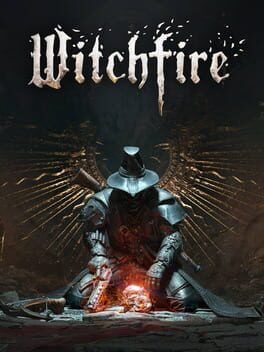
The Reckoning update for Witchfire introduces a full melee weapon system, key balance tweaks, and clearer signs of where this early access roguelite FPS is headed before 1.0.
Witchfire has quietly built a reputation as one of the most demanding roguelite shooters on PC, but until now it has always been a fundamentally gun‑first experience. The new Reckoning update changes that, bolting on a full melee framework, expanding the arsenal, and tightening balance in ways that hint at how close The Astronauts are to their final combat vision.
Dedicated melee finally arrives
Previous versions of Witchfire treated melee as a last‑resort punch, something you used in panic at close range or to finish a staggered enemy between reloads. Reckoning throws that out and introduces a bona fide melee slot with four dedicated weapons, including the Morgenstern, Katar, and a Shield.
The difference in feel is immediate. Instead of a generic smack, each melee option has distinct reach, swing timing, and risk profile. The Morgenstern leans into heavy, satisfying impact that rewards committing to slower wind‑ups. The Katar suggests a faster, more aggressive playstyle, built around dashing in, shredding an opening, and disengaging before the horde collapses on you. The Shield introduces a new flavor of survivability, letting you contest space in a way that previously depended almost entirely on evasive movement and spell usage.
Crucially, these are not sidegrades to your default fists. The new melee system is framed as a parallel pillar to firearms and magic, which means melee is now something you consider at the build‑crafting stage rather than a panic button. For a game that already married gunplay and occult powers, adding a meaningful third verb gives runs more texture. Where an earlier Witchfire build could start to feel solved once you had your favorite gun and spell combo, the melee slot gives you another axis of optimization.
New guns and a broader sandbox
Reckoning does not stop at swords and shields. The update folds in three new firearms, headlined by a triple‑barrel shotgun that answers a frequent community request. Witchfire’s shotguns have always been standout weapons thanks to the game’s punchy sound design and animation work, and a triple‑barrel variant pushes that fantasy even further.
In practical terms, another high‑impact close‑range option pairs neatly with the melee overhaul. When you can whip from a triple‑barrel blast into a Morgenstern crush or a Katar flurry, close‑range builds stop feeling like a self‑imposed challenge and start to become a legitimate answer to the game’s nastier arenas. These additions expand the weapon meta without invalidating earlier favorites, which is important in a roguelite where attachment to certain guns is part of the long‑term appeal.
Practice tools and better information
Alongside the headline combat additions, Reckoning ships a shooting range and interactive bestiary. On paper that sounds like quality‑of‑life filler, but it matters a lot in a game where enemy behavior, resistances, and breakpoints can decide whether a run snowballs or dies in seconds.
The shooting range gives players a safe space to lab out weapon handling and recoil patterns, test synergies with spells, and feel how the new melee tools flow into their favorite guns. The bestiary doubles as an educational tool and a progression carrot, letting you study enemy types, learn which attacks to respect, and adjust loadouts for specific threats before you roll into a new attempt.
For newer players, this should lower the onboarding wall that Witchfire has been known for. For veterans, it shortens the time between theorycrafting a build and taking it into a real mission, which is ideal for an update that adds so many new toys.
Balance changes that hint at 1.0
While The Astronauts have not described Reckoning as the final combat pass, the scope of these changes makes it feel like a near‑final draft. Each major system the studio has talked about since early access launch is now represented: lethal gunplay, expressive spellcasting, tactical mobility, and now deliberate melee.
Previous patches focused heavily on smoothing the game’s notorious difficulty spikes and tweaking progression pacing, from features like Gnosis that softened scaling to adjustments aimed at making calamities less oppressive. By contrast, Reckoning looks more like a consolidation patch. It stabilizes the core loop around a nearly complete toolkit, then gives players the means to better understand and master it through the range and bestiary.
The dedicated melee slot, in particular, signals the team is done treating hand‑to‑hand as an afterthought. Once you balance enemies around the expectation that players might be closing distance on purpose, you are unlikely to tear that system back out later. That is the kind of commit you make when a design is close to locked.
What this means for Witchfire’s trajectory
Viewed in context of past updates, Reckoning suggests Witchfire is shifting from experimentation into refinement. The big structural questions seem answered: this is a tense, arena‑driven roguelite where power comes from a triangle of firearms, magic, and melee, framed by runs that reward knowledge and mechanical mastery.
That bodes well for the road to full release. With the combat sandbox broad and largely in place, future patches can drill down into encounter variety, late‑game progression, and narrative framing without needing to reinvent the moment‑to‑moment. The addition of melee also makes the game’s dark fantasy aesthetic feel more fully realized, blending the occult gunslinger fantasy with the brutality you would expect from a world full of cursed knights and witches.
If you bounced off Witchfire early because the early access build felt too narrow or punishing, Reckoning is a strong reason to take another look. The melee system brings fresh ways to engage with the game’s world, the new guns fill important gaps in the arsenal, and the supporting tools make it easier than ever to understand what killed you and how to kill it faster next time.