
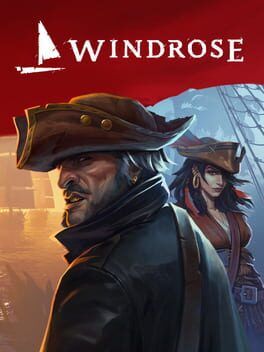

Windrose has stormed Steam’s charts with over 1.5 million wishlists and a breakout demo. Here’s why the pirate survival co-op game is surging, what its Early Access release really promises, and which systems critics should stress test first to see if the hype holds water.
Windrose is sailing into Steam Early Access on April 14, and it is not doing it quietly. After a wildly successful demo run and months perched high on Steam’s Most Wishlisted charts, this Age of Piracy survival adventure is about to face its first real test: life outside of a curated festival window.
For writers and critics eyeing launch coverage, Windrose is more than just another co-op survival title with boats. Its trajectory says a lot about what modern PC players are hungry for and how quickly Early Access projects can build expectations that rival full releases.
How Windrose quietly became a wishlist monster
Windrose did not arrive with the brand power of a big publisher franchise, yet it now sits in the same wishlisted tier as some of Steam’s heaviest hitters. Several factors converged to create that momentum.
First, there is timing and positioning. Players have spent years bouncing between pirate fantasies that either leaned heavily into arcade sailing or abandoned the survival loop altogether. Windrose plants its flag in a different space. It blends a grounded, PvE survival structure with souls-lite combat and classic pirate fiction, promising long-term progression rather than session-based hijinks.
Second, the Steam Next Fest demo was the kind of breakout trial most indie teams dream about. Around 850,000 players downloaded the build, and the developers tracked over 12,000 feedback surveys and thousands of Steam reviews. Those raw numbers do not just represent curiosity. They indicate an audience willing to put in multiple hours, document pain points and then still hit the wishlist button. That is how Windrose crossed 1.5 million wishlists and climbed into the top ten of Steam’s Most Wishlisted list ahead of release.
Third, there is the story of the game’s pivot. Windrose began life as Crosswind, a free-to-play MMO experiment. After early tests, the team converted it into a premium, 1 to 4 player co-op survival game with self-hosted and dedicated servers. That shift gives Windrose a clearer identity. It signals to players that progression, not monetisation, sits at the center of the design. For a crowd wary of live service traps, that message lands.
Finally, Pocketpair’s involvement as publisher adds an extra current of interest. The Palworld studio has a proven track record for viral hits that lean on systems-driven sandbox play. Pocketpair’s name in the credits tells many players and creators that Windrose is likely dense with emergent moments and YouTube-friendly chaos. That perception feeds shareability, which in turn feeds wishlists.
What Early Access actually includes on day one
Hype only matters if there is enough game to meet it. On paper, Windrose’s launch scope looks closer to a mid-sized release than a bare-bones survival prototype.
The Early Access build spans an alternate 18th century Caribbean, split across roughly 30 islands in three distinct biomes. Those islands are procedurally generated in broad strokes and then peppered with around 90 handcrafted locations, including dungeons, forts and story-critical points of interest. The developers estimate 50 to 70 hours just to exhaust the initial story content, not counting co-op replays or side activities.
Players begin as shipwrecked castaways scraping together tools and shelter. The survival loop is classic but layered. You will forage, hunt, mine, and harvest to keep food, water and craftable materials flowing. From there, the game quickly branches into base building, ship acquisition and eventual piracy. A central hub, Tortuga, functions as a social and narrative anchor where you interact with factions, pick up contracts, recruit NPC workers and trade.
Three playable ships form the spine of early naval progression. Ship-to-ship encounters feature positional sailing, wind management and a cannon system that has already evolved based on demo feedback. Co-op partners can now directly man cannons, turning deck battles into a shared performance instead of a single player chore.
Around that core loop sits a character progression framework that mixes traditional stats, talents and gear. It supports both melee-focused boarding actions and ranged play while layering in the supernatural threats that give Windrose its alt-history flavor. Historical pirates rub shoulders with occult forces, pushing encounters beyond simple musket duels.
The team expects Early Access to run for roughly 1.5 to 2.5 years with a goal of increasing total content by about half again before 1.0. That means the April build is intended to be a complete vertical slice of every major system, not just a survival sandbox in search of an identity.
Expectations the Early Access launch must meet
If there is one through line in coverage around Windrose, it is that this Early Access debut is being judged against full-release standards. Wishlists in the seven-figure range invite those comparisons whether the developers like it or not.
Moment to moment, the biggest expectation is coherence. Players are not just hoping for a fun raft of systems. They are expecting those systems to snap together into something that feels like a pirate RPG as much as a survival sim. Early access games often launch with strong crafting and weak narrative or great combat and shallow progression. Windrose has been marketed as offering all of the above at once.
Stability is another critical bar. Almost a million people touched the demo under festival conditions where rough edges are easier to forgive. A priced Early Access build is a different social contract. Persistent crashes, save issues or severe desync in co-op will burn goodwill fast, especially among the streamers and creators who helped propel the game up the wishlist charts.
There is also a lingering question of identity. By foregrounding “souls-lite” combat and scripted boss encounters, Windrose is asking to be evaluated alongside action RPGs that live or die on feel. At the same time, it has to serve the very different rhythm of a survival game, where players spend big chunks of time chopping trees, hauling ore and building bases. The April build needs to demonstrate that both halves can coexist without tripping over one another.
Finally, communication cadence will be scrutinised. With an Early Access roadmap stretching potentially past two years, players need a clear sense of what is coming next, what might change and how feedback from the demo era will translate to live updates. A strong launch patch cycle will set the tone for the rest of development.
Systems critics should scrutinise first
For writers trying to decide whether Windrose is living up to its pre-release hype, certain features deserve immediate, focused attention in reviews and previews.
The first is combat, particularly on-foot encounters and early bosses. Souls-lite is a flexible phrase. In practice, that means looking for readable animations, consistent hit detection, and a stamina system that rewards patience without turning trash mobs into slogs. Pay attention to whether parries, dodges and blocks feel necessary or just ornamental, and whether difficulty spikes are fair in solo play compared to co-op.
Naval combat is the second pillar. Assess how well a small crew can actually cooperate under fire. Does one player end up doing all the important work, or does the new cannon manning system make battles feel like a true team effort? Check how responsive ship controls feel under poor wind, whether visibility holds up in bad weather, and how punishing losing a ship is to your long-term progression.
Third, test the survival and building loop for friction and payoff. Early hours should feel dangerous and improvisational, but not so grind-heavy that getting to the “fun stuff” on the water takes an entire weekend. Look at resource distribution across the three biomes, the speed of unlocking key crafting tiers and how satisfying base building is visually and functionally. The presence of NPC workers should ease some of the late-game tedium. Reviewers should see if they actually do.
Progression and story integration are next. Windrose pitches a 50 to 70 hour narrative threading through its islands, with factions, reputation systems and recurring characters. As you move between islands and dungeons, notice whether quests pull you into new mechanics and locations or simply re-skin familiar chores. Reputation systems should change prices, patrol behavior or access to certain missions in noticeable ways, not just drip out cosmetic titles.
Finally, multiplayer infrastructure will be a bellwether for the game’s long-term health. Test hosting and joining on different connections, how the game handles latency, and whether progress is treated fairly for non-host players. Pay attention to how the developers speak about their planned expansion from 4 to 8 players and whether the current content and performance suggest that is realistic.
Why the hype might be justified
On the optimistic side, the pieces are there for Windrose to be one of Early Access’s standout success stories. It has a clear fantasy, a strong demo track record, tangible systemic depth and a publisher that understands how to sustain sandbox-heavy games over time. The Early Access build is aiming to be generous in scope, not a glorified paid beta.
If the combat feels sharp, the seas run smoothly in co-op and the survival grind respects players’ time, Windrose will have cleared the highest bars facing any Early Access project: delivering something that feels like a “real game” on day one and convincing players that adding it to their library was as wise as adding it to their wishlist.
The next few weeks will show whether this pirate survival adventure can turn stored-up anticipation into lasting wind in its sails.