
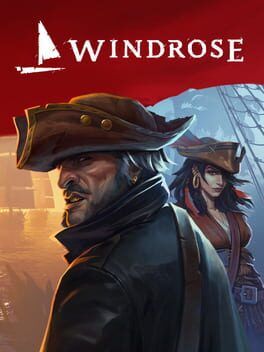

How the Crosswind‑to‑Windrose rebrand, a PC Gaming Show: Most Wanted trailer, and a tighter design scope signal a more emergent, systems‑driven take on pirate survival than Sea of Thieves or Skull and Bones.
A New Name, A Sharper Heading
The pirate survival adventure once known as Crosswind is sailing under a new banner. Now called Windrose, and developed by the newly christened Windrose Crew, the project reintroduced itself at the PC Gaming Show: Most Wanted with a trailer that did more than swap logos. Between the fresh footage and new positioning from the studio, the rebrand reads as a statement of intent about what kind of pirate game this is trying to be.
Several outlets and a fresh press blast around the show all point to the same pivot. Crosswind began life as a broader, free‑to‑play live service concept. As development went on, the team narrowed the scope, dropped the free‑to‑play model in favor of a premium release, and aligned the game’s identity around navigation, survival, and player‑driven piracy. The name Windrose, a reference to the directional compass rose on nautical charts, telegraphs that focus on traversal, route‑planning, and systems‑first seafaring rather than cosmetics or seasonal grinds.
The PC Gaming Show trailer is the first real look at what that means in practice. It sketches a loop that ping‑pongs between tense ship management, crunchy Souls‑lite combat, and scrappy island exploration, all framed by a darker pirate fantasy than the Saturday‑morning swagger of some of its peers.
From Stranded Courier To Feared Captain
The setup is simple but evocative. You begin as a courier whose job goes catastrophically wrong. Betrayed and left adrift in hostile waters, you wash up in a fractured archipelago caught between rival empires, pirate clans, and something unnatural stirring beneath the waves. From there, your rise is not instant legend but hard, survival‑minded graft.
The trailer and write‑ups describe Windrose as a pirate survival action adventure playable solo or online co‑op. Rather than dropping you straight into a pristine galleon, the footage suggests a progression from improvised beginnings to a bespoke flagship. Early shots show smaller, rough‑hewn vessels under fire, while later moments flash sleeker silhouettes bristling with cannons and crew.
The key is that all of this is tied to a survival spine. You gather resources on islands, build outposts, recruit and maintain a crew, and slowly stitch together a network of safe harbors. Story threads about empires, pirate factions, and an encroaching supernatural threat seem designed to push you across the map and into situations where those systems collide.
Ship Management As Survival, Not Just Set Dressing
Where some pirate games treat the ship as a menu‑on‑rails, Windrose frames it as the heart of the experience. Every shot of high‑seas combat in the Most Wanted trailer emphasizes the relationship between your decisions on deck and your fate in battle.
You are physically present for all the ship‑work. Cannons need to be managed, repairs handled mid‑fight, and positioning constantly adjusted. The trailer shows characters rushing across decks under incoming fire, bracing for impacts, and pivoting broadsides while enemy volleys churn the water around them. It feels closer to a survival sim where every plank is precious than a theme‑park ride where you click to fire and watch particle effects.
The survival layer suggests that upkeep between battles will matter just as much. If storms, attrition, and resource scarcity are as central as the tone implies, then plotting routes for wind, shelter, and supply outposts could be as important as choosing your next mark. That is where the “windrose” imagery comes in: navigation and preparation are mechanics, not just set dressing.
High‑Seas Combat And Boarding In One Flow
The new trailer’s biggest selling point is how fluidly it moves from ship‑to‑ship duels into boarding actions. There is no obvious cut from “naval” to “on‑foot” mode. Cannon volleys, ramming angles, and grapples all flow into a chaotic tangle of blades, pistols, and explosives once ships collide.
At range, Windrose looks like deliberate, position‑driven combat. You circle for advantage, use the wind, and choose your moment to unleash broadsides. The editing lingers on angled shots of hulls listing as cannonballs tear through masts and railings, hinting that damage is more granular than just a health bar ticking down. A poorly timed charge or misjudged turn can leave your flank exposed, and the chaos of splintering wood suggests that losing functional cannons or rigging mid‑fight will change your options on the fly.
Once you close the gap, the tone shifts from calculated to desperate. One sequence shows crews leaping the gap as ships grind together, with smoke and fire cutting visibility. Explosives, gunshots at near‑point‑blank, and desperate parries all pile into a kind of controlled brawl. Because you can also be boarded, defense is as critical as aggression, further reinforcing that your ship is not a lobby but a space you must actively defend.
Souls‑Lite Steel On Deck
On foot, Windrose leans into what the developers call a Souls‑lite combat model. You can see it in the way characters commit to swings, in the small pauses after dodges, and in how enemies telegraph heavier attacks. This is not the loose, slapstick melee of Sea of Thieves. Instead, it resembles a distilled action‑RPG moveset, with stamina management, timing, and weapon choice shaping every encounter.
The footage teases cutlasses, heavier blades, pistols, and thrown explosives. Parries and well‑timed rolls appear to open enemies up for more damaging ripostes, while firearms add risk‑reward punctuation to melee combos. In one shot, a player character dives away from a heavy swing, fires a close‑range shot into an attacker’s chest, then closes the distance again to finish the fight.
The
"Souls‑lite" label suggests an emphasis on readable patterns and meaningful failures without the more punishing extremes of a full Souls clone. That fits the survival context. Boarding a ship or diving into a cursed ruin looks dangerous, but victory seems to promise tangible payoffs: loot, rare materials, new weapons, and possibly the morale or loyalty of your crew.
Islands, Outposts, And The Wider Archipelago
While the PC Gaming Show trailer leans heavily on naval fireworks, it also carves out time for island exploration. The world is an archipelago of distinct biomes, from lush, sun‑blasted tropics to fog‑shrouded cliffs and what look like more corrupted, unnatural zones tied to the game’s rising supernatural menace.
On land, you search for resources, delve into ruins, clear out rival camps, and establish bases. The survival angle hints that these are not just story pitstops. Islands appear to be nodes in a larger network of supply and control, places where you can store materials, upgrade facilities, and potentially influence local factions.
The tone here is darker than Windrose’s jaunty opening narration might suggest. Flickers of occult imagery and storm‑churned skies point to something lurking beneath the familiar pirate trappings. That gives the exploration a different flavor than the purely lighthearted treasure hunts of some genre peers. There is a sense that every new island might bring both opportunity and escalating threat.
Sailing Together: Co‑op Potential
Windrose is designed to be played solo or in online co‑op, and the way the systems interlock makes the latter particularly enticing. The trailer does not linger on UI or lobbies, but multiple characters fighting side‑by‑side on decks and beaches makes the intent clear: this is a shared adventure about running a ship together.
Co‑op amplifies every part of the loop. Managing sails, cannons, and repairs under fire becomes a frantic choreography as friends yell bearings and brace for impact. Boarding actions turn into multi‑lane brawls where one player might focus on crowd control while another hunts enemy officers. On islands, splitting up to scout, gather, and cover each other’s backs could speed progression but raise the stakes if anyone gets in over their head.
Unlike Sea of Thieves, which largely eschews fixed progression and traditional RPG structure, Windrose looks more directed. Its Souls‑lite combat, base building, and story‑driven campaign imply longer‑term character and ship growth that can be advanced with friends rather than reset between sessions. Co‑op here feels less like a loose playground and more like a way to tackle a demanding survival campaign as a crew.
How Windrose Differs From Sea of Thieves And Skull and Bones
On paper, “co‑op pirate game with ship battles and boarding” invites immediate comparisons to Sea of Thieves and Skull and Bones. In practice, Windrose’s trailer and rebrand messaging sketch out a very different flavor of piracy that leans harder into emergence and systems.
Sea of Thieves is primarily a sandbox of player‑driven anecdotes wrapped in a light combat model. The joy comes from slapstick interactions, emergent betrayals, and environmental chaos. Combat is intentionally loose, and progression is mostly cosmetic. Skull and Bones, by contrast, is more of a loot‑forward, RPG‑lite naval shooter where your relationship to the ship is mediated through builds and gear, with boarding often abstracted or minimized.
Windrose threads a middle path but with a clear emphasis on grounded survival systems. Its ship is a physical, vulnerable space you occupy at all times rather than a hitbox for ability cooldowns. Boarding is not a cutaway but a seamless extension of naval engagements. Melee combat is slower, more intentional, and less comedic, making every swordfight feel like a high‑stakes resource spend.
The survival framework further differentiates it. Food, materials, and safe harbors appear to matter in the long term, encouraging planning and route optimization rather than straight‑line dashes to the next icon. Bases and outposts give islands systemic weight, while multiple factions and a lurking supernatural threat hint at world states that may shift based on your actions.
The move from a free‑to‑play Crosswind to a premium Windrose supports this vision. Instead of designing everything around infinite retention and cosmetic economies, Windrose Crew can focus on tuning interlocking systems over the course of a finite, replayable campaign. That is a fertile ground for the kind of emergent moments players remember, where a storm, a supply shortage, and an opportunistic enemy patrol all collide in ways no designer explicitly scripted.
What The Rebrand Tells Us About The Future Of Windrose
Beyond the stylish new logo and title card, the Crosswind‑to‑Windrose rebrand signals a commitment to a narrower, more coherent identity. The new name foregrounds navigation and seafaring. The trailer puts survival and systemic combat ahead of slapstick hijinks. The shift away from free‑to‑play hints at a self‑contained arc where your journey from shipwrecked courier to feared captain is the point, not a prelude to endless seasonal treadmills.
If Windrose Crew can deliver on the hybrid of intentional Souls‑lite combat, ship‑as‑home survival, and co‑op driven piracy the PC Gaming Show footage suggests, Windrose could carve out its own patch of ocean in a genre already claimed by heavyweights. Where Sea of Thieves offers tall tales and Skull and Bones offers builds, Windrose is angling for something more grounded and systemic, a game where every voyage is a little story about how you and your crew bent the wind and waves to your will.
For now, Windrose is heading to PC via Steam, where you can already wishlist it. After a reintroduction this confident, its new name might be one we are charting on the pirate‑game map for years to come.