
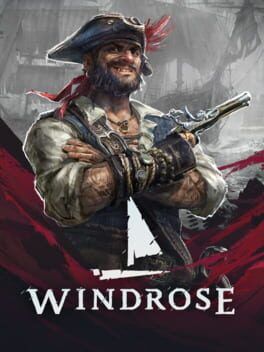
Windrose has raced past 1 million sales in under a week and hit 200,000 concurrent players. Here is how a pirate-themed survival-crafting game turned launch momentum and audience appetite into one of Steam’s biggest Early Access debuts.
Windrose has become the latest survival-crafting phenomenon almost overnight. Within six days of launch, the pirate-themed adventure cleared 1 million copies sold and climbed to around 200,000 concurrent players on Steam, putting it in the same conversation as some of the platform’s biggest recent breakout hits.
Those numbers are striking for a brand-new IP from a relatively modest studio. They speak to a convergence of timing, genre demand, and smart positioning that transformed Windrose from a niche-looking pirate project into one of 2026’s early surprise successes.
A brutal launch window that turned into a showcase
Releasing a new survival-crafting game on Steam in 2026 is like opening a coffee shop on a street already lined with them. The genre is crowded and fiercely competitive, and player attention is fragmented across juggernauts like Valheim, Palworld, and Enshrouded alongside long-tail staples such as Rust and Ark.
That context makes Windrose’s six-day sprint to 1 million copies particularly notable. According to the developer’s Steam community posts, the game not only cleared that sales mark but also hit roughly 200,000 concurrent players at peak, a figure that instantly puts it among the platform’s top-played titles. This was not a slow burn. It was a launch-week spike that announced Windrose as a contender.
The momentum suggests more than curiosity. Survival-crafting players are famously willing to try almost anything, but concurrent numbers at this scale indicate people are sticking around long enough to push those online peaks upward. For a PvE-focused game that leans hard into co-op seafaring, that social pull can quickly snowball.
Why a familiar formula still worked
On paper, Windrose looks like yet another spin on systems fans have seen for a decade. You chop trees, mine ore, build bases, and craft gear while pushing deeper into dangerous territory. What sets it apart is less the macro loop and more how it is framed.
Windrose commits fully to the Age of Piracy fantasy. The core survival structure is wrapped in a world of creaking decks, roaring broadsides, and cursed seas. PC Gamer and other outlets highlighted naval combat as the standout hook, evoking the ship battles players remember most fondly from Assassin’s Creed IV: Black Flag and implicitly contrasting that energy with the more troubled reception around Skull and Bones.
That contrast matters. For years, players have been hungry for a game that delivers robust ship combat and open-world piracy with enough systemic depth to sustain long-term play. Sea of Thieves scratched that itch for some, but its sandbox tone and progression philosophy are not for everyone. Windrose pitches something different: a more traditional survival-crafting backbone that just happens to unfold across sea lanes and stormy coasts.
The familiar skeleton ensures genre fans know exactly what they are getting into. The pirate trappings provide a strong fantasy wrapper and a steady stream of shareable moments from chaotic deck battles to dramatic boarding actions. Together, they form a package that is instantly legible on a Steam page and in a 30-second social clip.
The power of watchability and word of mouth
As with Palworld and Valheim before it, Windrose’s rapid rise looks heavily influenced by watchability. The game’s blend of base-building, exploration, and explosive naval fights produces clips that travel fast on Twitch, YouTube, and social platforms.
Survival-crafting thrives when it can create communal stories. Windrose’s seas enable that. Crews scrambling to repair a mast mid-fight, desperate nighttime escapes through fog, or last-second cannon barrages that send enemy ships to the depths are easy for streamers to build narratives around. Once those moments begin circulating, the Steam page does the rest with a clear pitch and a reasonable price point.
That kind of organic amplification is especially crucial for an Early Access title without a massive AAA marketing budget. Strong launch-week player counts push the game up Steam’s front page and into the popular charts, which further reinforces discoverability. The result is a flywheel where every new buyer increases the visibility that drives the next wave of buyers.
Launch roughness and the Early Access bargain
None of this momentum arrived without friction. Both PC Gamer and other coverage point out that Windrose’s online co-op and general stability have been rough in the early going. Players have reported technical hiccups and a share of bugs, particularly around multiplayer sessions.
In most genres that kind of rocky start can be fatal. For survival-crafting, it is almost part of the social contract. Early Access veterans are conditioned to expect rough edges in exchange for getting in early on a promising sandbox, and developers are increasingly explicit about that tradeoff.
Windrose’s swift sales milestones suggest the audience was willing to accept those issues because the core loop delivered. Once players sense that the foundation is solid, frustrations around bugs are often reframed as growing pains rather than deal-breakers. The developer’s public communication thanking players for their patience and outlining plans for fixes helps maintain that perception.
The key Early Access question becomes whether the team can keep pace with demand. Rapid success raises expectations for content cadence, technical support, and long-term roadmaps. Games that ride an initial high but fail to deliver meaningful updates often see steep drop-offs in concurrent players within months.
Is Windrose the next big survival-crafting fixture?
Stacking Windrose against recent success stories helps frame its trajectory. Hitting 1 million copies in under a week with 200,000 concurrent players is firmly in breakout territory. For comparison, Valheim crossed 1 million in eight days, while Enshrouded picked up similar momentum in its first weeks of Early Access.
Those games maintained relevance by quickly iterating on feedback and using Early Access as a true partnership with their communities. Windrose is now entering the same proving ground. Its recipe has some clear advantages. The pirate theme is under-served relative to the sheer number of Viking, medieval, and post-apocalyptic survival sandboxes. Naval combat naturally encourages co-op play and creates distinctive scenarios that other games cannot easily replicate. And the familiar progression from fragile castaway to fearsome captain taps into a powerful power-fantasy arc.
At the same time, the risk profile is real. Balancing land combat, ship systems, base-building, and loot progression across solo and co-op play is complex. If any one pillar significantly underperforms or stagnates, enthusiasm can cool quickly. The survival-crafting audience has a long memory for games that burst out of the gate and then stall.
In the short term, though, the verdict is clear. Windrose has already achieved what every Early Access developer hopes for: a launch that instantly funds its continued development and guarantees a sizable testbed for new content. Hitting 1 million copies sold in six days is not just a feel-good milestone. It is a signal that players are actively looking for the next big survival-crafting world to occupy.
What its success says about the genre
Windrose’s early performance underscores how resilient the survival-crafting space remains on PC. Despite years of saturation and frequent claims of fatigue, the right hook can still cut through the noise if it comes with a clear pitch and strong social presence.
The game also highlights how important it has become for new titles to deliver both a compelling fantasy wrapper and robust systemic depth. It is not enough to be pirates, or Vikings, or space colonists. The fantasy must meaningfully shape the systems, from how players explore and fight to how they cooperate.
Windrose’s seas accomplish that. Every storm navigated, every salvage operation, and every close-quarters broadside crawls back into the survival loop of crafting better ships, fortifying outposts, and preparing for harsher challenges. That cohesion between fantasy and mechanic is what separates momentary curiosities from lasting fixtures.
Whether Windrose ultimately joins the top tier of survival-crafting heavyweights will depend on what happens after the headlines fade. In its first six days, though, it has already proven something important. There is still enormous appetite for large, shared sandboxes that allow players to build their own stories, especially when those stories unfold beneath tattered sails on dangerous seas.