
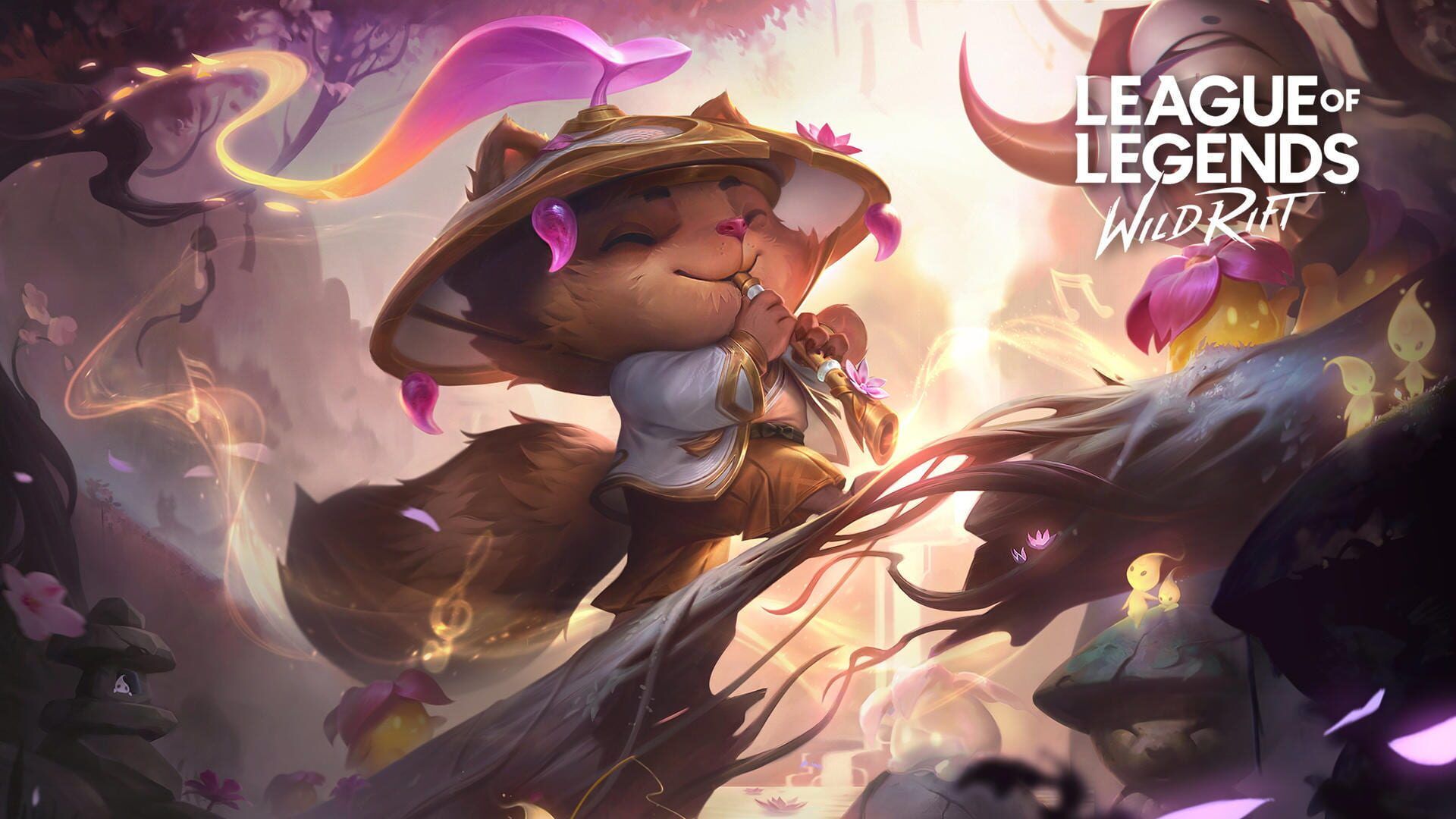

A competitive breakdown of League of Legends: Wild Rift Patch 7.0, covering Smolder and Mel’s roles in the meta, how the Ionia Rift map reshapes vision and objectives, the return of Arena and permanent AAA ARAM, and what all this suggests about Wild Rift’s 2026 future on mobile and console.
Patch 7.0 is not just another seasonal refresh for League of Legends: Wild Rift. Ionia Celebrations lands on January 22, 2026, with a new map, two meta-defining champions, structural changes to ARAM, and the return of Arena. It reads less like a maintenance patch and more like Riot restating its ambitions for Wild Rift in 2026 on both mobile and console.
Smolder and Mel: How the new champs slot into the meta
Smolder and Mel instantly push Wild Rift’s champion roster in very different directions, but both are built to thrive in coordinated play and longer games.
Smolder is a classic hyperscaling Dragon Lane marksman. His early game is intentionally modest, but his kit is structured around stacking and evolving abilities over time until he becomes a late-game monster. In practice, that shifts lane dynamics toward protect-the-carry setups and encourages more conservative early macro. Supports who can reliably peel and shield, along with junglers who are comfortable pathing defensively around bot side, stand to gain the most from his arrival.
In solo queue, Smolder is likely to shape the meta the same way any late-game-centric ADC does. Games where he is allowed to farm uncontested become decided by his presence around third dragon and Baron, especially now that objective setups on the new Ionia Rift reward strong backline DPS. Expect enchanter supports and tanky frontliners to rise alongside him, while early aggression lanes will try to punish his weak first minutes and snowball before his damage spikes.
Mel, the Soul’s Reflection, is a very different kind of threat. Riot has positioned her as a long-range mage who can flex between mid and support, and the core of her identity is the ability to mirror or reflect enemy abilities. That design immediately makes her a high-ceiling pick for players who excel at positioning and cooldown tracking. Into lineups with obvious, telegraphed engages or big ultimates, Mel turns team fights into mind games, forcing divers and initiators to think twice before pressing R.
In mid, Mel competes with established control mages and artillery picks, offering comparable zone control with the added spike of punishing opponents who misplay. As a support, she is less about raw sustain and more about tempo denial and counter-engage. In coordinated teams she can define draft phases, because the threat of reflected abilities changes how enemies sequence their combos. For the broader meta, Mel rewards deliberate, layered engages and punishes solo hero plays, which could push Wild Rift further toward structured, teamfight-focused compositions.
The Ionia Rift: A brighter map with sharper information
The biggest structural change in Patch 7.0 is the retirement of the Bandle City map in favor of the new Ionia Rift. Visually it is brighter and more readable, but the important shifts are functional. The map has been cleaned up in ways that tighten information flow and make rotations more deliberate.
Jungle sightlines have been opened up to reduce awkward blind spots and make vision feel more intuitive. For junglers and supports this means ward placement gets both easier to understand and more punishing when misused. The removal of cluttered terrain gives clearer routes for invades and retreats, so tracking the enemy jungler becomes more about timing and less about guessing around odd corners.
Mid lane receives one of the most important new mechanics through the Wind Zone. This area boosts movement speed for champions passing through, accelerating roams from mid toward side lanes and early skirmishes around river objectives. Mid laners who can quickly push and leave lane will gain extra value, and junglers will find it easier to sync ganks with a roaming mid. At a macro level, this should increase the pace of early fights without making the map feel chaotic.
The addition of Spirit Flowers adds another information layer that impacts objective play. These flowers appear when allies die or when an enemy steals one of your jungle camps, visually marking moments where your team has lost tempo. That feedback loop encourages teams to respond quickly to invades and failed fights instead of drifting into passive play.
Combined, these changes produce a map where successful teams lean heavily on information, vision discipline, and planned rotations. Objective setups become less about brute-forcing a river choke and more about controlling approach paths, tracking deaths through Spirit Flowers, and abusing the Wind Zone to arrive first.
Vision and objective play on the Ionia Rift
With the Ionia Rift in place, vision and objective control in Wild Rift feel more intentional. The more open jungle makes deep wards in enemy entrances and around buff camps safer to place and more impactful. When paired with Spirit Flowers, teams can string together a clear picture of how the enemy jungler is playing and where the next fight will break out.
Dragons and Baron remain central, but the pathing to reach them changes in subtle ways. Teams that leverage the Wind Zone to move from mid to river gain a timing edge in setup. That extra beat of tempo lets supports and junglers establish deeper control wards, sweep flanks, and potentially start objectives before the enemy is properly positioned.
Smolder benefits enormously from this structure. His kit wants drawn out objective dances where his range and scaling can take over once teams finally commit to a fight. On the other hand, Mel’s ability to reflect key abilities makes her a premium pick in any comp focused on contesting Baron and elder dragons. Dropping a mirrored engage into a clustered objective pit can flip a game instantly, which means opposing teams need cleaner initiation patterns and staggered ult usage.
Overall, Ionia Rift pulls Wild Rift toward a slower, more deliberate macro style, where smart information usage and controlled objective setups are worth more than constant skirmishing. Teams that adapt quickly will find themselves consistently ahead on dragons and vision, which amplifies the strengths of Patch 7.0’s new champions.
AAA ARAM goes permanent and Arena returns
Patch 7.0 does not just adjust the main Rift map. It also locks in Wild Rift’s alternative modes as core pillars of the experience.
AAA ARAM is becoming a permanent mode with the release of 7.0. Alongside visual polish, it picks up additional gameplay elements like Flying Swords that shake up rune interactions mid match. Formalizing ARAM as a forever mode solidifies it as the go to place for quick matches, champion testing, and casual experimentation without the stakes of Ranked.
Arena also returns, expanded to support up to 16 players. This mode breaks away from traditional lane macro and leans into faster, round based combat where champion synergies, item spikes, and micro mechanics take center stage. Bringing Arena back right at the start of 2026 signals that Riot views Wild Rift not just as a straight mobile adaptation of Summoner’s Rift, but as a broader platform for League style combat.
For players who care about the main competitive ladder, these modes still matter. Popular alternative modes keep engagement high, encourage champion familiarity, and provide a lower pressure environment to experiment with picks like Mel support or off role Smolder builds. Higher engagement, in turn, is what justifies Riot’s continued investment into features, events, and console support.
What Ionia Celebrations suggests about Wild Rift’s 2026 future
Looking beyond the patch notes, Ionia Celebrations reads as a statement of intent for Wild Rift in 2026 on both mobile and console. The combination of a fully refreshed map, high concept champions, permanent alternative modes, and a themed seasonal event is not the footprint of a game in maintenance. It suggests Riot is still willing to invest in the infrastructure that keeps a competitive mobile title relevant long term.
On the mobile side, the focus on readability, cleaner map visuals, and strong information tools like Spirit Flowers reflect an effort to make high level play more accessible without dumbing down the game. That is crucial for a platform where screen size and session length can easily undermine deep strategy. If Ionia Rift lands well, it gives Riot a strong baseline map they can continue to iterate on for years.
For console, this patch is also promising. The Ionia Rift’s clarity is friendly to big screen play, and late game carries like Smolder or precision mages like Mel translate well to controller based inputs if skillshots and targeting feel responsive. The presence of permanent ARAM and returning Arena is especially important for consoles, where shorter play sessions and party friendly modes tend to dominate.
Most importantly, launching this kind of major patch at the very start of the year, framed around a Year of the Horse celebration and a new Ranked Season, implies that Patch 7.0 is meant to be the opening chapter of a broader 2026 roadmap rather than a one off spike. The messaging around new champs, a new Rift, and game mode investments points to Riot treating Wild Rift as a living competitive platform rather than a side project.
If Ionia Celebrations lands with the player base, expect the meta to settle into a slower, objective focused rhythm centered on Smolder’s scaling and Mel’s counterplay, all framed by an Ionia Rift that rewards smart vision and rotations. It is a strong, confident way for Wild Rift to step into 2026 across mobile and console, and it sets expectations high for what comes next.