
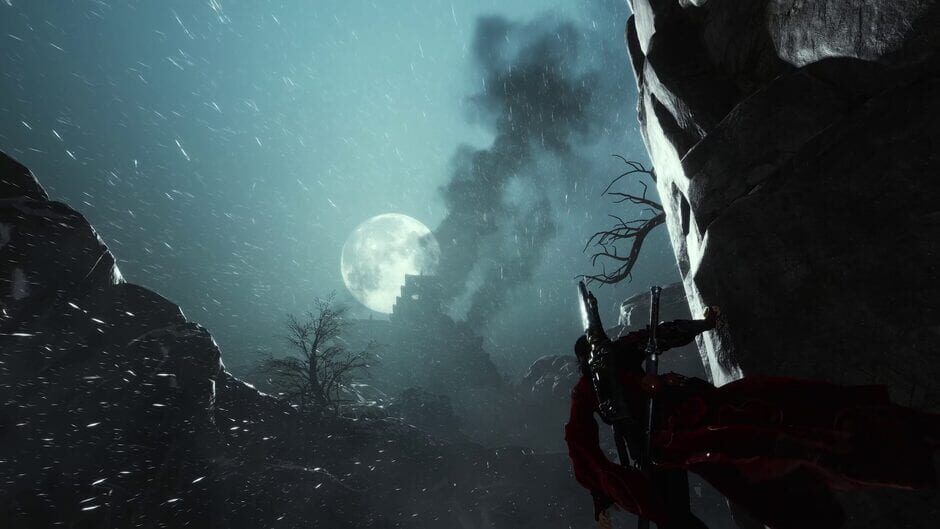

How the Timeless Bonds update, a vast new desert region, fresh instances and events, and a nine‑million‑strong playerbase are reshaping Where Winds Meet as a cross‑play wuxia ARPG on PC and mobile.
Where Winds Meet just hit one of its most important milestones yet. The Timeless Bonds update has rolled out alongside the game’s mobile launch, pulling its sprawling wuxia sandbox onto phones while expanding the world on PC with a harsh new desert frontier, fresh instances and limited‑time events. Tied together by cross‑play, a claimed nine million players, and a clear push to treat the game as a unified action RPG platform instead of a single‑device release, this patch feels like a soft relaunch for Everstone’s martial‑arts epic.
A Timeless Bonds milestone for a growing wuxia world
Timeless Bonds arrives at a moment when Where Winds Meet is quietly building serious momentum. Everstone and NetEase have been positioning the game as a long‑term wuxia ARPG rather than a one‑and‑done open‑world experiment, and the numbers back that up. Between PC and now mobile, the studio is touting more than nine million players diving into its romanticized Ten Kingdoms China.
That scale matters. Where Winds Meet leans on a living world structure, with seasonal events and region‑wide activities that only really come alive when servers are busy. Timeless Bonds leans into that strength. It adds a new explorable region, group‑focused instances built to showcase high‑flying combat, and social events that reward you for wandering with others instead of just ticking off solo map icons.
Into the sands: a new desert frontier
The headline feature of Timeless Bonds is a desert region that pushes the game’s art direction away from the misty valleys and rivers of its starting provinces. This is not just a palette swap. The sands are built around long‑form traversal and survival, with dunes that hide ruins, trading posts, and oases that become natural hubs for players.
The environment supports Where Winds Meet’s wuxia toolkit in different ways. Sandstorms can roll in and alter visibility, pushing archers and long‑range cultivators to the forefront while forcing melee‑focused builds to close distance with grapples and air‑dashes. Rocky outcroppings give rooftop runners new vertical playgrounds. Tight canyon passes create sudden bottlenecks where duels and impromptu skirmishes break out, while wide open flats favor horseback spear charges and ranged bombardment.
The desert also gives Everstone space to lean on more mythic storytelling. Roaming world bosses tied to local legends, relic‑hunting side quests, and caravan escort chains use the new zone as a canvas for emergent play. The Game8 Timeless Bonds notes already highlight encounters like Roaring Sands threats and new boss‑tier foes that capitalize on the region’s more punishing terrain. It is the sort of area that invites coordinated exploration and rewards players who learn its geography rather than simply following quest markers.
New instances that showcase wuxia combat
While the desert encourages freeform wandering, Timeless Bonds counterbalances it with new structured instances that channel the game’s combat depth. These instances are designed to feel like self‑contained wuxia films: tight arenas, escalating set‑pieces, and bosses who demand mastery of parries, deflections, and movement tech.
One dungeon leans into verticality, using multi‑layered towers where enemies attack from balconies and rafters so you need to chain wall‑runs and aerial strings instead of fighting everything on flat ground. Another is more of a gauntlet, with waves of enemies broken up by environmental hazards that force you to swap between weapon styles and cultivate builds that emphasize mobility.
Importantly, these instances are tuned for cooperative play without abandoning solo players. Matchmaking pulls together mobile and PC users, and rewards scale based on completion time and optional challenge criteria. This is where Timeless Bonds quietly tests the limits of its cross‑play implementation. The design asks whether touch‑screen players can dodge, counter, and position with the same precision as those on mouse and keyboard or controller, and whether NetEase’s networking tech can keep that experience smooth across regions.
Events that keep the world feeling alive
Alongside the headline content, Timeless Bonds layers in a series of events that aim to keep the broader world feeling reactive rather than static. Some are seasonal story beats tied to the new zone, with NPC caravans and faction envoys appearing near desert borders and at city gates. Others are mechanical mini‑events that pop up in familiar areas but use Timeless Bonds themed rewards.
There are roaming challenges that ask you to protect traveling bards or performers as they move between towns, contextualizing group combat within the game’s focus on relationships and reputation. Social events take advantage of scenic spots in the desert, encouraging players to gather for photography, emotes, and light co‑op tasks such as kite flying or sand art that award cosmetics and titles instead of raw power.
These smaller additions matter because they fill in the spaces between big content beats. If Everstone wants Where Winds Meet to feel like a long‑term living wuxia world, then density of small, discoverable activities across old and new regions is as important as giant headline patches. Timeless Bonds is not trying to reinvent the entire loop, but it does make the day‑to‑day map roam feel more textured.
Mobile launch: wuxia action in your pocket
Running in parallel to the PC patch is the mobile launch, which brings Where Winds Meet’s open‑world wuxia fantasy to iOS and Android. The XboxHub coverage frames this as a full ARPG adaptation rather than a stripped‑down spin‑off, and that ambition shows in how closely the mobile client hews to the main game.
Touch controls have been rethought to preserve the rhythm of its combat. Core systems like light and heavy sword strings, dodge counters, and cultivation skills are mapped to radial or context‑sensitive buttons, with options for gesture inputs for advanced techniques such as aerial resets or quick‑targeting projectiles. Movement still leans into wuxia spectacle, keeping rooftop runs, mid‑air dashes, and grappling tools intact so that exploration on a phone feels like the same game you know from PC.
Visually the mobile version pulls back on some environmental detail and crowd density, but the core identity is intact. The sweeping views of rivers, temples, and now the newly added desert vistas make an impression even on smaller screens. More importantly, quest structure, narrative beats, and core progression carry over, which is critical for the cross‑platform ambitions Timeless Bonds is attached to.
Cross‑play as the glue for nine million players
Timeless Bonds is as much about infrastructure as it is about content. Cross‑play is the piece that ties together the nine‑million‑strong playerbase across PC and mobile. Instead of siloed shards, Where Winds Meet positions itself as one shared wuxia world where your friends’ choice of platform does not decide whether you can run dungeons together or join the same world events.
For social systems, that is huge. Guilds can now realistically recruit without worrying about platform splits. World bosses in the desert can pull in anyone nearby regardless of device. Matchmaking for the new instances can reach a much deeper pool, which in turn makes it easier for Everstone to experiment with mechanics that rely on full groups or higher difficulty without scaring off queue times.
Cross‑progression is critical here as well. If you can grind cultivation, earn cosmetics, or push story arcs on your commute and then pick up seamlessly at a desk later, the game shifts from being a fixed‑location hobby to an all‑day platform in the same way Genshin Impact or Honkai Star Rail did for their genres. Timeless Bonds is the first patch that fully leans into that identity rather than treating mobile as a sidecar client.
Technically, that puts pressure on Everstone’s netcode and balance philosophy. Input latency, animation cancellation windows, and difficulty tuning have to make sense across a mix of touch and traditional controls. The new instances and desert events are effectively a live stress test of that balancing act, and how well they feel on both platforms will inform how aggressively the studio pushes more complex raids or PvP modes in future updates.
What Timeless Bonds signals for the future
Taken together, the Timeless Bonds patch and mobile launch mark a pivot point for Where Winds Meet. The new desert region broadens the world in a way that invites higher‑level, more coordinated play. The instances and events give players structured reasons to log in regularly instead of treating the game like a single‑player wuxia story that just happens to be online. And the mobile client, fused to PC via cross‑play, reframes it as a cross‑platform ARPG that wants to live on your desk and in your pocket at the same time.
With nine million players already in the ecosystem, Everstone now has the concurrency to justify more ambitious world events and multi‑phase encounters. Expect future patches to use the desert as a staging ground for faction conflict and large‑scale boss fights that assume big crowds from multiple platforms. At the same time, continued investment in small social activities and limited‑time events will be needed to keep the world from feeling like it only wakes up when a new raid lands.
If Timeless Bonds lands smoothly and cross‑play holds up under real‑world usage, Where Winds Meet could find itself in the same conversation as other cross‑platform action RPG heavyweights, with the added twist of a distinctly Chinese historical fantasy identity. The foundation is there. The question now is how boldly Everstone is willing to build on it.