

How Kingdom Come’s systemic design could reshape The Lord of the Rings in open‑world form, and what fans should realistically expect from Embracer’s new Middle‑earth project.
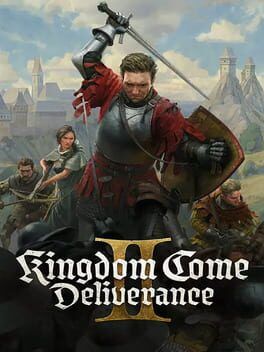
Warhorse Studios has built its name on making mud‑and‑steel RPGs where plate armor creaks, peasants gossip about your crimes, and a single bad decision can haunt you for dozens of hours. Now the team behind Kingdom Come: Deliverance is turning that philosophy loose on Middle‑earth with a newly announced open‑world RPG under Embracer’s Lord of the Rings banner.
For a license that has often swung between bombastic movie tie‑ins and stylized hack‑and‑slash combat, pairing Tolkien with Warhorse’s approach could be the most interesting thing to happen to Middle‑earth games in years. It could also raise expectations far beyond what any studio, especially one owned by an embattled publisher, can reasonably meet.
This is why Warhorse is such a good fit, how Kingdom Come’s systemic design might translate into a grounded Middle‑earth, and what fans should realistically expect from this project as part of Embracer’s new Lord of the Rings strategy.
Why Warhorse is a strong fit for a grounded Lord of the Rings RPG
Warhorse’s entire identity is built around realism, consequence, and a lived‑in medieval world. On paper that sounds like a direct match for the tone of Tolkien’s books, which are more about the weight of history, the cost of heroism, and the harshness of travel than about constant spectacle.
In Kingdom Come, you play a blacksmith’s son, not a chosen one. You fight clumsily, learn slowly, and spend as much time scraping by as you do winning decisive victories. That arc mirrors what works best in Middle‑earth: small people caught in large events who suffer, learn, and change along the way. A Warhorse protagonist in this setting is far more likely to be a ranger on the edges of great wars than a demigod who single‑handedly slaughters balrogs.
The studio also excels at world‑building through systems rather than exposition. Kingdom Come’s Bohemia expresses itself through battered roads, inconsistent law enforcement, religious tensions, and a strict social hierarchy. You feel the world’s rules in the way guards react to your clothes, or how inns quiet down at night. Tolkien’s Middle‑earth is underpinned by the same sense of structure: languages, cultures, food, songs, and local politics matter. A team that already cares deeply about period detail is well placed to translate that into faithful regional differences between places like Bree, Rohan, or Gondor.
Finally, Warhorse likes grounded stakes. Kingdom Come is full of skirmishes, feuds, and political maneuvering rather than constant world‑ending threats. If Embracer wants a Middle‑earth RPG that complements, rather than competes with, flashier action titles, Warhorse provides a grounded, character‑driven counterpoint that fits the quieter corners of Tolkien’s world.
How Kingdom Come’s systems could translate to Middle‑earth
Despite the new project being early and details still scarce, Warhorse’s design history gives strong clues about what to expect.
Combat and equipment as vulnerable fantasy, not power fantasy
Kingdom Come’s combat system is heavy, positional, and unforgiving. Timing, stamina, and equipment all matter more than flashy combos. Transplanted into Middle‑earth, that style of fighting invites a very different take from earlier Lord of the Rings games.
Instead of mowing down hundreds of orcs in seconds, fighting five at once might already be terrifying. Shields would splinter, armor would weigh you down, and even a lucky arrow from a goblin archer could force you into retreat. Swords would feel like precious heirlooms from Númenor or dwarf‑forged relics, not disposable loot. Repairing and maintaining gear could draw directly from Kingdom Come’s durability systems, reinforcing the idea that every journey across Middle‑earth is costly and dangerous.
Magic would likely be rare and subtle. Warhorse has no history with flashy spell systems, which aligns well with Tolkien’s world where overt magic is limited mostly to beings like Gandalf and Sauron. Any abilities the player gets would probably lean on lore friendly ideas: elven herbal remedies, dwarven craftsmanship bonuses, or subtle blessings from ancient places rather than screen‑filling superpowers.
Skills, survival, and the weight of the road
Kingdom Come treats travel as a serious undertaking. You eat, sleep, mend equipment, and manage injuries. If Warhorse brings even part of that design philosophy to Middle‑earth, the classic Tolkien motif of the long road could become gameplay rather than cutscenes.
Crossing the wild could demand careful preparation. Stocking up on food in Bree before heading into wilder lands, learning which herbs in Ithilien can patch you up after an ambush, or deciding whether to press on through a storm in the Misty Mountains or shelter and risk running out of supplies. Skills like tracking, riding, stealth, and survival would matter as much as swordplay.
Faction reputation systems could also get richer. Kingdom Come simulates how clothes, behavior, and past deeds shape how people treat you. In Middle‑earth, that might translate into different greetings in Gondor if you wear Rohirrim colors, or suspicious stares in Bree if you arrive with a company of dwarves. A ranger who quietly resolves problems in backwater villages might build a completely different legend from a player who leans on the authority of Minas Tirith.
A systemic story rather than a fixed movie retelling
Warhorse’s missions often have multiple solutions that ripple through the story. Outcomes of earlier quests come back to shape later opportunities. Middle‑earth is fertile ground for this sort of design.
Imagine a quest on the borders of Mordor where you can smuggle refugees, barter with dubious traders, or collaborate with Gondorian officers. Each choice shifts control of a border post and affects who shows up in later conflicts. Or a storyline in Rohan where helping one clan in a dispute changes who will ride to your aid during a future siege.
The key difference from a film tie‑in is that Warhorse is unlikely to hand you Frodo’s script. Instead of replaying the march on the Black Gate, you might hear about such world events at a distance while your own story loops around them, intersecting only at points that make sense for a grounded, non‑legendary character. That distance actually benefits systemic storytelling, because it gives the designers room to let player choice reshape smaller, local narratives without breaking canon.
What “grounded” Middle‑earth might actually look like
Fans hear “open‑world Middle‑earth RPG” and understandably picture riding across the Shire, visiting Rivendell, and dueling Nazgûl on Weathertop. Under Warhorse, the end result will likely be narrower, deeper, and more regionally focused.
Kingdom Come chose a relatively small slice of Bohemia and filled it with dense systems rather than simulating all of Europe. The Middle‑earth project will almost certainly follow that model. Instead of a map that includes everything from the Shire to Mordor, expect one or two interconnected regions explored with great detail. A campaign centered on Gondor’s frontier or Rohan’s plains, for example, could deliver day‑night routines for villagers, layered local politics, and reactive questlines that matter more than pure map size.
Playable races will probably be limited. A human protagonist is the easiest fit for both Warhorse’s animation and progression systems and for Tolkien’s world, where humans often bridge the mundane and the mythical. Playing as a ranger, soldier, or wanderer from a lesser known culture lets the game stay grounded while still brushing up against iconic peoples like elves and dwarves.
Tone will likely hew closer to the books than the wider pop‑culture image of Lord of the Rings. Expect earnest conversations about duty and oaths, long stretches of quiet travel punctuated by bursts of violence, and a focus on the hardship of holding the line rather than constant heroics. That aligns with Warhorse’s writing strengths, which emphasize local conflicts, flawed characters, and the slow build of trust or resentment.
The Embracer factor: what to expect from the project’s scope
All of this potential exists under the shadow of Embracer, which holds the Lord of the Rings rights and owns Warhorse. The publisher has been restructuring, spinning off business units and cutting costs while also forming Fellowship Entertainment as a home for its biggest IP. That has two big implications for this Middle‑earth RPG.
First, expectations around budget and scope should be tempered. Embracer likely wants a prestige, critically respected adaptation more than an all‑platform blockbuster on the scale of a Rockstar or CD Projekt production. Warhorse’s track record with mid‑sized but deeply ambitious RPGs fits that goal, but it also means fans should not assume every major location, creature, and war in Tolkien’s canon will be lavishly realized.
Second, timelines are going to be long. Warhorse is developing this Middle‑earth project alongside another Kingdom Come game. The studio already builds slow, detail‑oriented RPGs that take years to ship. Layer on top the approval processes that come with a huge license and Embracer’s cautious spending, and this Middle‑earth game is almost certainly many years away. Early announcements and concept talk will come long before concrete release dates.
On the upside, Fellowship Entertainment’s remit to manage marquee IP suggests Embracer wants fewer, better uses of Lord of the Rings rather than a flood of quick spin‑offs. A carefully nurtured Warhorse RPG that reinforces the brand as a space for thoughtful fantasy could be valuable in the long term, especially after mixed receptions to some recent Middle‑earth titles.
Balancing hopes and reality for Tolkien fans
The most exciting aspect of Warhorse on Middle‑earth is not spectacle. It is the promise that small stories in Tolkien’s world can matter as much as the great tales. The same design ethos that made buying a new gambeson in Kingdom Come feel like a big deal could make repairing your mail shirt after a skirmish in Ithilien feel like a meaningful choice rather than busywork.
At the same time, it is important to go in with grounded expectations. This is likely to be a story about one person or a small band operating on the periphery of great events, not a game that lets you rewrite the War of the Ring. It will probably spend more time in muddy border keeps and lonely watchtowers than in the throne room of Minas Tirith, and it may never give you free reins to roam all of Middle‑earth.
If Warhorse can bring its strengths in systemic design, reactive NPCs, and historical flavor to Tolkien’s legendarium, the result could be the most authentic feeling Middle‑earth since the text itself. If Embracer gives the studio time and a stable budget, we may finally get a Lord of the Rings RPG where the road is long, the nights are dangerous, and surviving to tell your story feels like a victory all its own.