

SNEG’s Warhammer Classics initiative brings nearly three decades of Warhammer and Warhammer 40,000 PC history to Steam. Here’s what the program actually includes, which seven games are brand‑new to Steam, how preservation and compatibility are handled, and the best strategy and shooter picks to revisit in 2024.
What is Warhammer Classics?
Warhammer Classics is a preservation‑focused initiative from retro publisher SNEG that gathers 28 older Warhammer Fantasy and Warhammer 40,000 PC games and brings them to Steam in one coordinated wave. Rather than a single compilation, it is a curated label that groups together these re‑releases, many of which were previously stuck on CD, old storefronts, or simply unavailable digitally.
The focus is on historical PC adaptations from the 1990s and 2000s. That includes real‑time tactics, hex‑based strategy, early 3D shooters, digital board game conversions, and some cult favorites that helped define what Warhammer games look like outside tabletop. Crucially, SNEG is positioning Warhammer Classics as both a commercial rerelease and a preservation effort, so the stated goal is to keep the original design and content intact while making the games run reliably on modern hardware.
The full Warhammer Classics lineup
Across the various articles and SNEG’s own store copy, Warhammer Classics currently contains 28 PC titles. Exact counts differ between “more than 20” and “27,” but the complete initiative as rolled out on Steam comprises 28 distinct SKUs including different editions. Together they trace a line from mid‑1990s DOS and early Windows releases up through the 2010s.
Warhammer Fantasy is represented by early real‑time tactics, digital board game adaptations, and sports spin‑offs. Warhammer 40,000 covers tactical squad games, turn‑based strategy, early 3D shooters, space‑naval combat, and more recent RTS and sports entries. If you have a favorite corner of Warhammer lore, it probably has at least one classic in this bundle.
The initiative also pulls in games that were previously scattered across publishers and rights holders. Old Mindscape and EA‑era titles sit alongside THQ’s early 2000s output and later Focus and Cyanide releases, all collected under a single banner so they are easier to discover, buy, and reinstall years from now.
The seven games debuting on Steam
Seven of the Warhammer Classics releases are making their Steam debut. These are the historically important titles that either never had a digital PC release on Valve’s platform or were previously confined to other storefronts and physical copies:
- Warhammer: Shadow of the Horned Rat
- Warhammer: Dark Omen
- Warhammer 40,000: Chaos Gate
- Warhammer 40,000: Rites of War
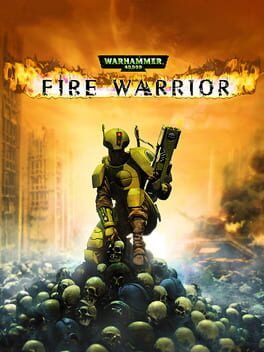
- Warhammer 40,000: Fire Warrior
- Talisman: Prologue
- Talisman: Digital Edition (migrated into the initiative as part of the Classics push)
Shadow of the Horned Rat and Dark Omen are especially notable because they are foundational Warhammer Fantasy PC games that had effectively vanished from legal purchase on modern storefronts. Chaos Gate and Rites of War do the same work on the 40K side, finally lining up alongside the newer Chaos Gate: Daemonhunters to show where that lineage started.
Fire Warrior is the big curiosity for shooter fans, since the original PC version had faded into obscurity despite the strength of the Tau license. Talisman’s digital adaptations round out the list by giving the Classic label some lighter, more board‑game‑like experiences.
How SNEG is handling preservation and compatibility
SNEG’s pitch for Warhammer Classics is that these are not remasters but refurbished originals. The goal is to keep the look, feel, and pacing intact, while smoothing out the work it takes to actually run them in 2024.
On the technical side, that mostly means modern‑OS compatibility layers and sensible defaults.
Many of the 90s titles run inside configured DOSBox or Windows compatibility wrappers so you do not have to wrestle with ancient installers, 16‑bit launchers, or odd resolutions. Video modes are pre‑tuned for modern widescreen displays where possible and frame rate issues are minimized. Several games that once demanded CD checks now run entirely from the Steam install, so there is no disc swapping or no‑CD patch hunting.
Later Windows titles from the 2000s and early 2010s benefit from small quality‑of‑life fixes, such as defaulting to higher resolutions, working properly with modern DirectX versions, and playing nicely with contemporary input devices. Across the board SNEG emphasizes that it is not touching balance, content, or core mechanics, only doing the minimum required to get them running stably on current hardware.
From an archival perspective this is significant. Many of these games were previously only usable through fan patches, abandonware sites, or questionable ISOs, and they risked simply disappearing as older Windows versions fell out of use. By putting them on Steam with active rights behind them, SNEG is giving modders and fans a stable baseline version and greatly lowering the barrier to legal access.
The best strategy classics to revisit
There are several strategy standouts in Warhammer Classics, and they hold up in different ways for modern players.
Warhammer: Shadow of the Horned Rat is the big historical draw. It is a mid‑90s real‑time tactics game with fixed missions, persistent regiments, and a genuinely nasty campaign that still feels tense today. The interface and camera are clunky by modern standards, but if you are willing to acclimate it offers a grounded, desperate view of Old World warfare and a level of attrition that later games softened.
Warhammer: Dark Omen refines that formula into something much closer to modern expectations. Formations are easier to handle, battlefield feedback is clearer, and it surfaces more information on morale and flanking. The campaign is still brisk and punishing, but it is the more approachable pick for someone who wants to feel the roots of Total War without going all the way back to pure 2D.
Warhammer 40,000: Chaos Gate is the key turn‑based tactics recommendation. It plays like a grittier cousin to modern XCOM, with squads of Space Marines clearing labyrinthine maps against Chaos forces. Action points, overwatch, and line of sight are all present in early form, and the campaign has impressive scope for its time. Visuals and interface are dated, but tactically it remains surprisingly rich.
Warhammer 40,000: Rites of War is a more traditional hex‑based strategy game built on the Panzer General 2 engine. It is slower and more methodical than Chaos Gate, and it shines if you enjoy planning multi‑turn offensives and carefully managing elite Eldar units. In 2024 it feels like a time capsule of late‑90s PC strategy design, in a good way, with clear rules and easy‑to‑read battlefields.
Talisman’s digital versions are much lighter tactically but excellent for fans of the board game or anyone who wants a slower paced, dice driven crawl through classic Warhammer fantasy art. They are not deep in the way Chaos Gate or Dark Omen are, yet they make sense as part of the Classics label because they capture an important part of Warhammer’s crossover with tabletop and family gaming.
The shooters and action games worth playing now
On the shooter and action side, the standout curiosity is Warhammer 40,000: Fire Warrior. This is a 2003 corridor FPS focused on the Tau, a rare perspective even two decades later. By modern standards it is straightforward and often linear, but as a piece of Warhammer history it is fascinating. Weapon feedback is punchy, the campaign moves quickly, and seeing Imperial architecture from the eyes of a Tau Fire Warrior is still novel.
For players who grew up on the early 2000s PC shooting scene, Fire Warrior feels like a missing link that finally slotted into place on Steam. It is most enjoyable if you treat it as a retro FPS time capsule rather than something competing with contemporary shooters.
Outside of pure FPS, several of the real‑time tactics titles scratch similar adrenaline cravings. Dark Omen and Shadow of the Horned Rat can get as intense as shooters once you are desperately trying to keep cavalry alive or timing artillery volleys, and they reward quick reactions backed by good planning. They are not first person experiences, but they deliver that feeling of being under pressure in the middle of a chaotic battlefield.
Meanwhile, the inclusion of games like Space Hulk and other corridor focused squad titles pushes into horror‑tinged tactical action. These are slower than Fire Warrior yet arguably closer in mood to the tabletop, with tight spaces, constant threat, and the sense that a single mistake will doom your squad.
Who Warhammer Classics is for in 2024
The Warhammer Classics line is mainly aimed at three audiences. First are long‑time PC players who owned these games on disc and simply want a clean, supported way to play them again. Second are strategy fans curious about the historical roots of modern tactics series like Total War: Warhammer or Chaos Gate: Daemonhunters. Third are Warhammer lore enthusiasts who want to see how the universe was interpreted in the 90s and 2000s.
These rereleases are not remakes and they do not try to be. You will run into low resolutions, old UI conventions, and occasionally rough edge cases. The upside is that you are getting the games mostly as they were, hooked up to modern operating systems with minimal fuss.
If you want to understand how Warhammer became such a fixture of PC gaming, or you just want a pile of crunchy tactics campaigns to chew through, the Warhammer Classics initiative is one of the most important archival pushes the license has seen in years.