
How Owlcat’s grimdark Warhammer CRPG translates to handheld on Nintendo’s new hardware, from controls and UI to performance and why it matters for RPG fans.
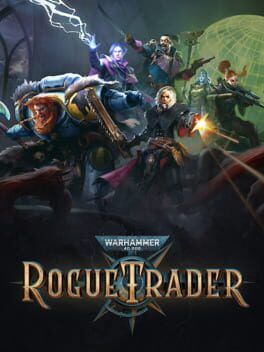
Warhammer 40,000: Rogue Trader landing on Nintendo Switch 2 is the kind of announcement that quietly changes a platform’s identity. Owlcat’s dense, tabletop-inspired CRPG was built first for mouse and keyboard, with tactical combat layered over a sprawling narrative about power, faith, and profit in the Koronus Expanse. Bringing all of that to a hybrid handheld is more than a straight port. It is a statement that Nintendo’s new hardware is ready to court the same RPG crowd that lived on PC and high‑end consoles last generation.
On paper, Rogue Trader is an ambitious choice for a Switch 2 early title. You control a Rogue Trader, a sort of sanctioned pirate-merchant, tasked with expanding the Imperium’s reach on the fringes of known space. That setup feeds directly into the game’s structure. Conversations fork constantly, decisions reshape allegiances, and your retinue of companions grows into a mobile war council. The original PC release earned praise for how thoroughly it lets you lean into its premise, whether you play as a dutiful servant of the Emperor or a dangerously curious flirt with heresy.
That depth brings obvious questions about how well it fits in your hands. CRPGs thrive on information density, and Rogue Trader’s screen is usually crowded with character portraits, ability toolbars, combat logs, and lore text. For Switch 2, Owlcat has leaned into console-style layer switching and contextual inputs. Expect radial menus for abilities instead of long horizontal hotbars, larger text for key stats and status effects, and a more aggressive use of auto-highlighting to reduce pixel‑perfect selection.
Handheld play is where this matters most. In tabletop form, Rogue Trader is intimidating, all numbers and modifiers. On a smaller screen, the studio’s job is to hide the math until you need it. Running a squad of explorers through a derelict voidship should feel like guiding a tight commando unit rather than juggling spreadsheets. Smart UI changes can make that happen. A dedicated button to cycle targets, sticky selection that keeps your camera anchored to the active character, and context-sensitive prompts for cover and interactables all help remove the sense that you are fighting the interface.
Camera control is another key test. Rogue Trader’s combat maps are layered with verticality and line‑of‑sight tricks. Precision matters when you are placing area attacks or threading shots past cover. On Switch 2, camera panning and rotation mapped to the sticks, with quick snap zoom presets, is the likely solution. It will not be as exact as a mouse drag, but with mild aim-assist on ability templates and clearly marked blast zones, the difference should be minimal during the actual decision-making.
Out of combat, the game is closer to a visual novel stitched to a light exploration layer, and that is where handheld really shines. Long dialogue sequences are a staple of Rogue Trader, filled with Warhammer’s ceremonial language and grim theological debates. On PC, those scenes dominate a monitor. On Switch 2, they work as something you can sink into on the couch or in short sessions, reading through branching responses and quietly nudging your dynasty toward sainthood or damnation.
Performance is the other half of the equation. Rogue Trader is not cutting-edge in terms of geometry, but its large combat arenas, spell effects, and busy hubs can stress weaker CPUs. Switch 2’s upgraded hardware means the port is not forced into the kind of severe cuts seen on the original Switch with other big RPGs. Reasonable expectations sit around a dynamic resolution that keeps things sharp in handheld while targeting a stable 30 frames per second, with fewer of the drastic drops that players tolerated in some last‑gen conversions.
Load times matter more than raw frame rate in this genre. You move between ship interiors, planetary surfaces, and combat instances frequently, and every pause is a break in immersion. Faster storage in Switch 2 should trim those transitions, making it much easier to dip in for a single encounter or story beat without dreading a sequence of loading screens. Given how often CRPGs ask you to bounce between quest locations for incremental updates, this can be the difference between an ideal handheld game and something you only play docked.
For Nintendo’s audience, Rogue Trader is important beyond technical performance. Traditional CRPGs have had an uneven presence on Nintendo machines. Switch eventually built up a respectable library with games like Divinity: Original Sin 2 and Baldur’s Gate, but there was always a sense that you were accepting severe compromises for portability. Rogue Trader arriving early on Switch 2, with features and content in step with other platforms, signals a platform that wants to be part of the main conversation rather than a late, cut‑down afterthought.
It also plugs a particular hole in the console RPG landscape. Most of the genre’s high-profile recent successes have been grounded fantasy or contemporary. Rogue Trader is unashamedly weird, drenched in gothic sci‑fi, and comfortable letting you romance xenos or court Chaos as freely as you champion imperial dogma. That mix of tactical combat, heavy roleplaying, and gleefully baroque Warhammer fiction is unusual anywhere, but it is almost unheard of on a portable that also hosts Mario and Zelda.
The Switch 2 version arrives at a time when Rogue Trader has already grown. Post-launch updates on other platforms have added missions, companions, and additional romance paths, shoring up weak spots and emphasizing replayability. Starting on Nintendo’s new system after those patches means players are walking into a more confident, better paced game than the one PC early adopters picked up. Combined with the pick-up-and-play nature of a handheld, the structure of Rogue Trader’s campaigns becomes more flexible. You can chip away at side missions on the go, then reserve big turning point decisions and major battles for focused docked sessions.
For RPG fans planning out their Switch 2 library, Rogue Trader is not just another port. It is a proof of concept that dense, choice-driven CRPGs can feel native on Nintendo’s hardware when the controls, UI, and performance are treated as first‑class design problems instead of afterthoughts. If Owlcat sticks the landing, the Koronus Expanse could become one of the defining worlds to explore on the new system, and a strong early sign that Switch 2 is serious about courting the kind of players who never left their save files behind on PC.