
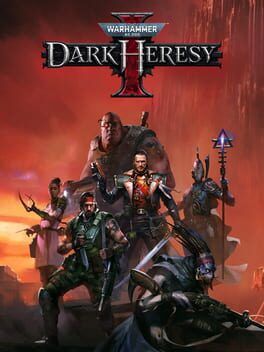

Early alpha impressions of Owlcat’s Warhammer 40,000: Dark Heresy, focusing on its Calixis Sector slice, acolyte progression, and how the studio’s CRPG chops translate into a paranoid Inquisition thriller.
Warhammer 40,000: Dark Heresy does not ease you into the Calixis Sector. The alpha drops Founders straight into a world of whispered cults, bureaucratic rot, and the kind of investigations where the wrong question can be deadlier than a las-bolt. It is still unmistakably an Owlcat CRPG at this early stage, but the familiar formula now wraps itself around a slower, more paranoid flavor of Warhammer 40K.
This is not Rogue Trader with inquisitorial decals. It is closer to an RPG police procedural in power armor, built for long nights of cross‑examining suspects and picking over crime scenes rather than touring the sector as a privateer hero.
A Narrow, Nasty Slice of the Calixis Sector
The alpha carves out a focused slice of the Calixis Sector that feels immediately hostile and lived in. You are attached to the retinue of Inquisitor Anton Zerbe and pushed into the sort of jobs full Throne‑sanctioned agents would rather avoid. From the briefing screens to the first boots on ferrocrete, the sector is less a backdrop and more an active antagonist.
The current alpha content is built around a limited cluster of locations rather than the full sprawl promised for launch. Expect dense hubs, not a full sector map. One early centerpiece is a decaying hive sprawl where Arbites precincts, Administratum offices, and back‑alley shrines compete for the same claustrophobic vertical real estate. In practice, this means tightly wound walkways, multi‑level combat arenas, and interiors stacked on top of each other to create a sense of urban suffocation.
Within that framework, Owlcat leans heavily on Calixis lore. Cult propaganda references the Tyrant Star and long‑running conspiracies. Arbitrators grumble about missing case files and jurisdictional overreach from the Inquisition. Even minor NPCs sell the idea that Calixis is a pressure cooker in slow motion, held together by dogma and paperwork.
The alpha’s missions reflect this pressure. You are not charging a Chaos fortress. You are checking a morgue ledger, tracing a heretek’s supply chain, or assessing whether a neighborhood preacher’s extra‑zealous sermons cross the line into actual heresy. Combat erupts from this investigative work instead of replacing it. When it happens, cramped kill‑boxes and poor lines of sight make you feel like you are fighting in the walls of a dying empire, not on a heroic battlefield.
Life as an Inquisition Acolyte
In Dark Heresy you do not start as an all‑powerful daemon‑slayer. You start as an acolyte in Zerbe’s warband, which in practice feels closer to a rookie detective than a war hero. The alpha makes this very clear. Your authority is conditional, your resources are thin, and missteps have political as well as mechanical consequences.
Character creation already carries Owlcat’s trademark density. You pick your homeworld and background, which nudge your initial stats, skills, and flavor dialogue. A hiveborn enforcer reads a bloody crime scene differently from a shrine world adept. The same clue can produce different insights depending on who leads the check, and the alpha already surfaces that well.
Progression in this build is frontloaded into core acolyte competences rather than wild power spikes. Each level grants modest increases to weapon or ballistic skill equivalents, specialist talents for investigation, and class‑leaning perks. Your available options hint at later specialization paths, but early ranks feel intentionally grounded. You still miss shots. You still fail scrutiny checks. The Inquisition may be terrifying, yet its junior field agents are very human.
The warband system also begins taking shape here. Instead of a single protagonist with mute followers, you direct a small party of distinct acolytes, each with their own tree and mechanical focus. A chirurgeon type might bring battlefield triage and forensic bonuses; a sanctioned psyker trades physical robustness for warp‑powered problem solving and the risk of attracting exactly the things your Inquisitor pays you to prevent. Even in alpha, the roster feels tuned less around raw DPS roles and more around who you bring to unravel a particular mess.
Crucially, advancement is not just numbers. Owlcat ties progression to the Inquisition’s trust in you. The alpha surfaces this primarily in small ways: extra conversation options, a calmer reaction from local authorities when you flash your rosette, a little more leeway from Zerbe when you push an unorthodox theory. The implication is that a future build will lean harder into rank, reputation, and political capital as parallel tracks to pure experience points.
Owlcat’s CRPG DNA in a Harsher Body
If you have played Pathfinder or Rogue Trader, Dark Heresy’s core structure will feel familiar. The alpha already features knotty dialogue trees with skill‑gated branches, companion interjections, and the kind of layered quest outcomes that turn a simple objective into a web of conditional states.
Where things shift is in pacing and tone. Owlcat’s previous games encourage exhaustive exploration and turning every quest marker over twice. Dark Heresy asks you to behave like an Inquisitorial agent instead of a tourist. There is still plenty to click on, but the standout moments are about reading people, not looting rooms.
Investigations are the clearest expression of this. Recent devlogs have outlined a formal investigation system, and the alpha includes a basic form of it. Cases are structured as chains of leads: crime scenes, witness interviews, documents, and surveillance. Each step feeds you clues tagged by themes such as guilt, innocence, corruption, or outside interference. As clues accumulate, your acolyte synthesizes them into hypotheses which you can test or push in dialogue.
This is where Owlcat’s penchant for mechanical depth pays off. These investigations are not just story wrappers for binary choices. They are small strategy puzzles. Spend too much time and resources chasing every possibility and you risk letting conspirators slip away. Focus too narrowly and your final judgment may feel decisive yet be built on a warped picture of the truth.
The grimdark twist is that the game does not let you shrug and walk away. You must decide whether someone burns, is pressed into service, or receives a rare and suspiciously merciful absolution. Your verdicts echo in faction standing, the morale of local authorities, and how willing civilians are to cooperate in future cases. It already feels like a natural escalation of Owlcat’s morality systems, but filtered through the brutal logic of the 41st Millennium.
Tactical Combat in Close Quarters
For all its investigative focus, Dark Heresy is not shy about violence. The alpha’s turn‑based combat continues the lineage from Rogue Trader with clear initiative tracks, cover systems, and a punishing attitude toward sloppy positioning.
Encounters skew toward small, lethal skirmishes. You might walk into a cramped shrine full of cultists, a warehouse where servitors hide heavier firepower, or a corridor ambush triggered by a failed intimidation check. Because areas are so tight, line of fire and friendly fire both matter more than in Owlcat’s previous outings. A misplaced blast can cripple your own frontline.
Alpha characters are fragile and ammunition is not something you ignore. This limits the temptation to brute‑force fights and pushes you toward using the environment and your acolytes’ specialties. Pinning enemies in chokepoints, staggering priority targets with precise shots, and timing warp powers or combat drugs carry real weight. Losing a limb or taking a critical wound is not just a hit point problem; it leaves clear scars on your capacity to investigate and fight future missions.
Thematically, the system already sells the fantasy of being a small team punching above its weight. You are not an army. You are a handful of terrified specialists in a corridor full of chanting fanatics, hoping your faith and your game plan hold.
Morality in the Cold Light of the Emperor
Owlcat’s taste for big, messy narrative choices slots neatly into Warhammer 40K’s unforgiving moral landscape. The alpha does not waste time on subtle alignment charts; it forces you to weigh fear, doctrine, and survival against half‑known facts.
One early investigation thread, for example, lets you dig into an Arbites unit that clearly failed in its duties. Do you pin everything on an exhausted precinct commander to reassert the Inquisition’s authority, or do you dig deeper and risk undermining front‑line law enforcement at a time when the hive can barely hold? Neither option is clean, and both echo outward in who will trust you later.
Crucially, Dark Heresy emphasizes not whether you are a saint or a monster but whether your brand of harshness is consistent and defensible. Owlcat seems intent on making the player own every order signed in the Emperor’s name. Founders will likely find plenty to argue over once the alpha’s branching paths are fully mapped out.
An Alpha Built for Founders’ Feedback
As a Founder‑focused alpha, this build is clearly scoped to test systems rather than present a full campaign. Expect rough edges. Some dialogues stop short with work‑in‑progress notes, a few skill checks lack alternate resolutions, and companion banter is sparse in places. Performance is generally stable but not final, with occasional camera jitters in multi‑level environments.
What matters for Founders is how solid the foundation feels, and here Dark Heresy is promising. The Calixis slice is atmospheric, the acolyte progression loop is already readable, and Owlcat’s CRPG heritage meshes surprisingly well with the rhythms of Inquisition work. The studio seems willing to slow things down and let investigations breathe rather than chasing spectacle.
If Owlcat can broaden the sector, deepen the warband’s interpersonal dynamics, and keep sharpening the investigation tools, Dark Heresy has a real shot at becoming the definitive Inquisition RPG. For now, the alpha is exactly what Founders were promised: a first crack at life on the bottom rung of the Inquisition ladder, where a single signature can mean salvation or a trip to the pyre.