
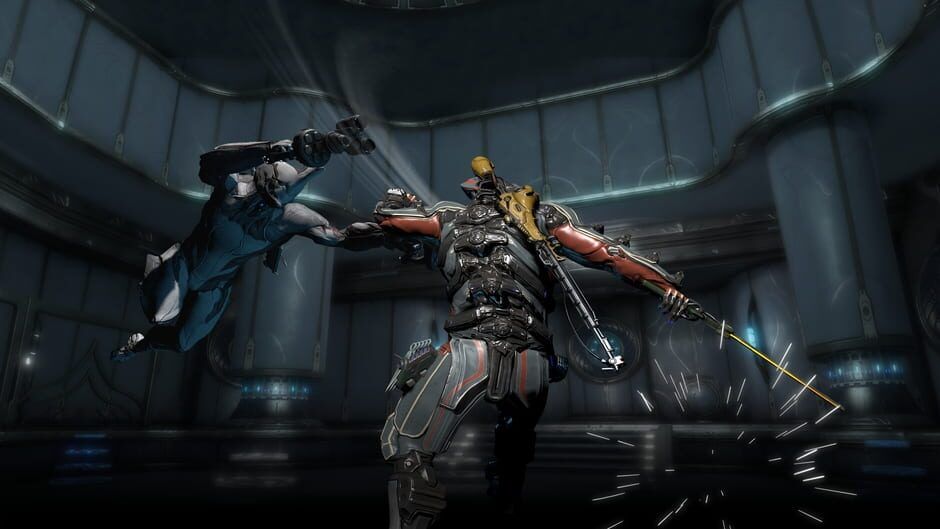

Digital Extremes is targeting 1080p, 60 FPS, and far more responsive combat for Warframe’s native Nintendo Switch 2 version. Here is what long‑time Tenno should expect from the Q1 2026 launch, how it compares to the original Switch port, and what it could mean for cross‑save players.
Warframe arriving natively on Nintendo’s second hybrid has been rumored for years, but Digital Extremes’ first 2026 Devstream finally turned that vague promise into a proper roadmap. The studio now has a clear target window of Q1 2026 for a full Switch 2 version and, crucially, is talking specific numbers rather than just “better performance.”
For veteran Tenno who tried to make the original Switch port work, this is the point where the dream of handheld Warframe starts to look like it might actually match the feel of other platforms instead of being an impressive but compromised experiment.
1080p handheld and 60 FPS targets
Between Nintendo Life’s report on the latest Devstream details and follow‑up coverage from RPG Site, a fairly consistent performance story has emerged. Digital Extremes is targeting 1080p at 60 FPS for Switch 2 in docked mode, with handheld also aiming for 60 FPS at a slightly variable resolution. That is a dramatic step up from the original Switch build, which tended to float around 30 FPS with dynamic resolution drops to keep combat stable.
Developers are pairing the higher frame rate with NVIDIA DLSS support, mirroring what PC and some cloud‑based builds already use to push clarity without sacrificing performance. The result should be a much sharper image than the soft, smudgy look that often plagued the current Switch version during larger missions or in effects‑heavy tilesets like the Cambion Drift.
If Digital Extremes hits those 60 FPS targets consistently, it immediately changes how the game feels. Warframe’s movement system, from bullet jumps and slides to aerial melee chains, thrives on smooth frame pacing. On the first Switch, animation timing and input latency could make advanced movement feel mushy, which in turn made higher‑level content more punishing than on PC or current‑gen consoles.
Combat responsiveness finally in line with other platforms
The studio is not just talking about raw numbers. In both the official Devstream recap and follow‑up interviews, they highlight “more responsive combat” and “significantly improved gameplay fidelity” on Switch 2.
That phrasing usually points to a couple of intertwined changes. First, CPU headroom on Switch 2 should allow for more stable enemy AI updates and fewer hitches when spawns ramp up. Warframe’s worst moments on the original Switch tend to happen when large enemy groups, multiple abilities, and environmental hazards all collide. The result is inputs that feel buffered or delayed, especially in hectic Steel Path missions.
Second, a native build that is not fighting against severe memory and bandwidth constraints can maintain higher simulation tick rates while still pushing effects. That leads to status applications, parkour transitions, and ability casts that better match what you see on screen, rather than landing a split‑second late. For melee mains, this could finally make tight combo routes and perfect block timing feel natural in handheld play.
Digital Extremes is also talking up improved motion clarity. With faster frame delivery and image reconstruction from DLSS, fast slides across tile edges, aim‑glides, and high‑speed Archwing or K‑Drive segments should avoid the motion blur soup that sometimes made the first Switch port physically uncomfortable during longer sessions.
Fidelity upgrades beyond resolution
Resolution and frame rate are the headline numbers, but the modernized renderer looks set to do more than just push extra pixels. Preview footage shown during Devstream segments suggests upgraded lighting and more pronounced material detail, particularly on Warframe armor, metallic tiles, and particle‑heavy abilities.
On the original Switch, aggressive LOD transitions and stripped‑down effects were a necessity. Flame effects, volumetric fog, and dense particle clouds in tiles like Gas City or the Orb Vallis often appeared in simplified form to keep the game running. Switch 2’s GPU and faster storage open the door for closer parity with the PlayStation 5 and Xbox Series X versions, especially in areas like:
High‑density particle effects during ultimate abilities and large‑scale explosions.
Richer reflections and specular highlights on armor, weapons, and ship interiors.
More consistent shadow quality so characters do not pop between hard and soft shadows just a few meters apart.
Digital Extremes has not promised feature‑perfect parity with high‑end platforms, but the tone of their comments implies that the Switch 2 version is being treated as a full native sibling rather than a heavily triaged offshoot.
Load times and streaming across the Origin System
One under‑discussed part of the Switch 2 push is storage. Warframe is heavily reliant on streaming assets as you bullet jump through winding corridors or transition between open zones and instanced interiors. On the first Switch, this often resulted in texture pop‑in, especially in large hubs like Cetus and Fortuna or in fast‑paced Railjack missions.
Faster internal storage and wider system bandwidth on Switch 2 should dramatically cut down on these hitches. Digital Extremes has already mentioned “significantly improved overall gameplay fidelity” for the new build, which tends to bundle asset streaming and loading into that promise. Expect shorter mission loads into Relays, Fissures, and open‑world bounties, and fewer moments where enemies or environmental detail appear a second or two late.
For players who jump between quick five‑minute fissure runs and longer story quests, shaving even tens of seconds off each load adds up over hundreds of sessions.
What carries over for long‑time Tenno
Warframe now has cross‑save, and Digital Extremes has already committed to keeping account progress and purchases unified across platforms. The expectation for Switch 2 is straightforward. Your existing account should carry over seamlessly, whether you started on the first Switch, PC, or consoles, and you will be able to resume progression with your full stable of frames, weapons, and cosmetics.
The big question is how the upgrade path will be handled. Nintendo Life’s coverage frames the Q1 2026 Switch 2 version as a native build rather than a separate SKU, which strongly hints at a straightforward migration for existing Switch players rather than a distinct product listing. Expect the same free‑to‑play model and platinum store, just with a more capable client.
There is also the matter of content cadence. Historically, the original Switch port sometimes lagged slightly behind PC and other consoles for larger updates due to certification and optimization passes. With Switch 2 catching up in power, there is hope that feature parity will tighten. Digital Extremes has suggested during Devstreams that future expansions are being developed with the next‑gen consoles and Switch 2 in mind together, rather than treating the Nintendo hardware as a special‑case target.
How it compares to the original Switch port in practice
For anyone who has treated the first Switch version as a secondary, on‑the‑go client, the improvements stack up quickly.
Movement tech such as Gauss’ Mach Rush, Titania’s Razorwing, or Wisp’s motes often caused the current Switch client to buckle under intense particle spam and rapid player movement. In handheld mode especially, drops well below 30 FPS were common in missions that were otherwise trivial on PC or PS5. Assuming the Switch 2 build holds its 60 FPS line and keeps visual concessions moderate, those same loadouts should feel much closer to their primary platform counterparts.
Gunplay also benefits. Precise headshot builds and recoil‑heavy weapons such as the Kuva Bramma, Tenet Arca Plasmor, or full‑auto primaries were harder to control on Switch due both to performance dips and input latency. Higher frame rates smooth stick or gyro adjustments to the point where weapons that felt unwieldy on the first hybrid should finally be viable on the move.
Finally, co‑op stability should improve as well. Frame drops during four‑player squads with overlapping abilities, multiple companions, and spawn‑heavy defense missions were a known issue on the original port. Better CPU and GPU throughput on Switch 2 directly addresses this, which matters for players pushing Steel Path survival, endurance runs, or complex boss fights from the couch.
What to expect from the Q1 2026 launch window
Digital Extremes has narrowed the Switch 2 launch to Q1 2026 rather than a vague “sometime in 2026” window. That suggests the core porting work and performance tuning are already well underway. The studio has framed 2026 as a busy year for Warframe, with Android joining the platform roster in February and a major narrative chapter landing in March. The Switch 2 launch is clearly a pillar in that broader strategy.
Do not be surprised if the Switch 2 version arrives alongside a marquee content drop. Digital Extremes likes to anchor big platform beats to cinematic quests or major systems overhauls. That approach would give returning Switch veterans and curious new Tenno a strong narrative hook to jump into instead of just treating the port as a tech refresh.
From a player perspective, the Q1 timing has one key implication. If you have been holding off on big grinds, prime farms, or endgame builds on the first Switch because of performance fatigue, you can safely continue on PC or your main console now and plan to treat Switch 2 as the serious handheld partner for 2026 and beyond.
The hybrid dream finally realized
The original Switch port of Warframe was an impressive technical feat that squeezed a sprawling, nearly decade‑old live service into portable hardware, but it always felt like a compromised way to play. With Switch 2, Digital Extremes is no longer talking about compromises. They are talking about resolution and frame rate targets that match or closely approach other consoles, along with responsiveness and visual upgrades that address long‑standing pain points.
For long‑time Tenno, Q1 2026 looks less like a side story and more like the moment Nintendo’s hybrid hardware finally becomes a first‑class citizen in the Origin System.