
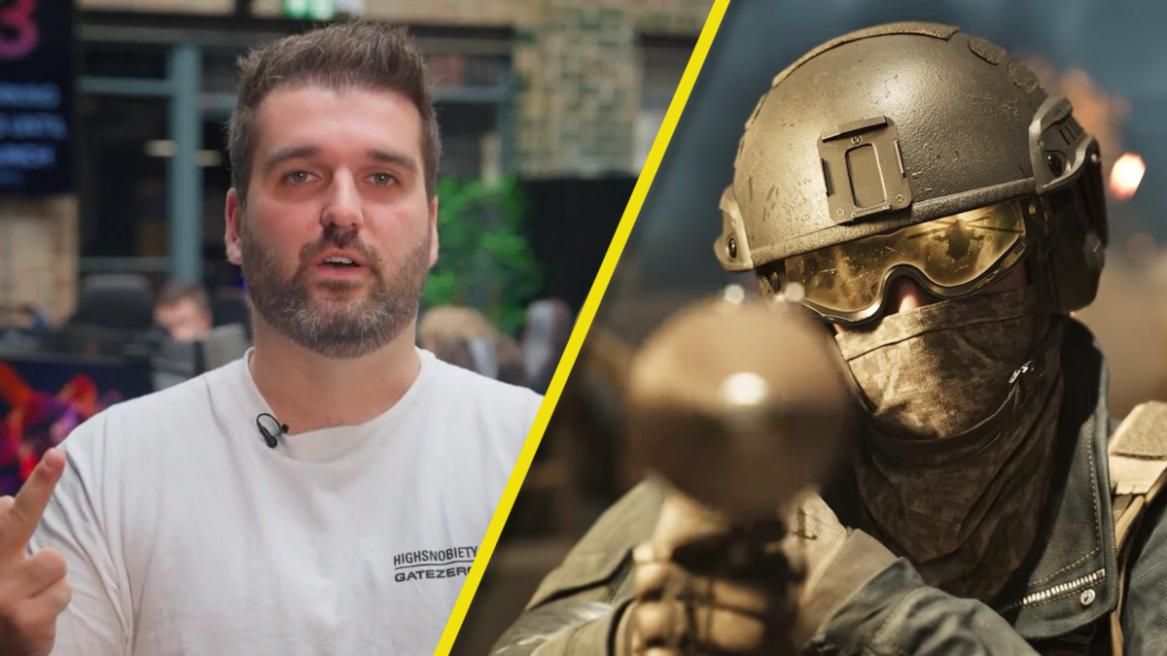
Bulkhead CEO Joe Brammer has responded after criticism of comments about crunch expectations and screening applicants’ social media, raising bigger questions about Wardogs’ live development culture.
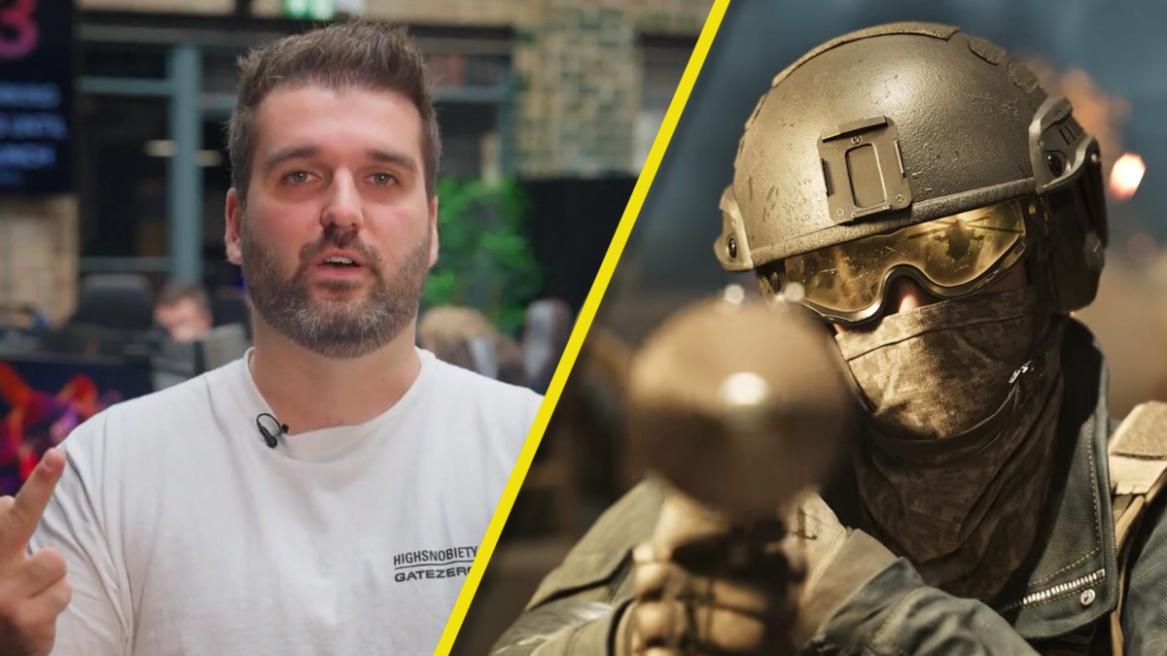
Image: beebom.com
Bulkhead’s clarification leaves the hiring question at the center of Wardogs
Bulkhead CEO Joe Brammer has issued a new statement to Eurogamer after a day of criticism over comments he made to The Game Business about crunch, hiring, and checking prospective employees’ social media. According to Eurogamer, Brammer said his remarks about monitoring applicants’ accounts were made while “speaking informally about our culture,” while also clarifying the studio’s position on crunch practices after coverage and social media debate around the interview.
The tension has not gone away because the core facts remain unusually direct. In the original interview, as quoted by Rock Paper Shotgun, Eurogamer, Kotaku, GameDeveloper.com, Aftermath, and TheGamer, Brammer said Bulkhead “always” tries to avoid crunch but does not hide that it “is going to happen at some point.” He also said that people who may have an issue with crunch “often don’t make it in the door,” and that Bulkhead checks applicants’ socials for repeated anti-crunch messaging.
That makes the Bulkhead crunch backlash different from the usual vague studio-culture dispute. This is not a case where workers anonymously describe conditions and management declines to comment. The public record here is led by the CEO’s own interview, followed by his own response on X and then a statement to Eurogamer. For anyone following the Wardogs game, the question is now less about whether the quote existed and more about how Bulkhead defines informed consent, studio fit, overtime, and reward in a project that has suddenly become a major FPS success.
What Brammer said, and why the wording drew backlash
The original remarks came during Brammer’s interview with The Game Business, a conversation centered on Bulkhead’s business and culture around Wardogs. GameDeveloper.com reported that the discussion followed talk of Wardogs selling 2 million copies in the five days after its September 10 Early Access launch. Eurogamer describes Wardogs as a hugely successful new release from the UK studio behind The Turing Test and Battalion 1944.
When the conversation turned to crunch, Brammer framed long hours as something Bulkhead tries to avoid but expects may happen. The most circulated section, quoted across multiple outlets, reads: “A lot of people who may have an issue with crunch, rightly so, I understand that issue, we always try and avoid it, but we don’t hide that this is going to happen at some point, they often don’t make it in the door.”
He continued by saying Bulkhead wants to be known as “a place you come to work hard.” In the same passage, he said: “If you care about the work you’re making and the result of what you make here, you’ll feel really valued. If you don’t, you will feel slave-driven.” Brammer then tied that view directly to hiring checks: “We check people’s socials, and if you’re constantly tweeting anti-crunch messaging: ‘This should never ever be a thing’, we know that and go, ‘Look, you’re not going to be happy here, so we’re not going to go with you’.”
The criticism focused on two linked claims. First, Brammer described crunch as something that will happen at some point, even while saying the studio tries to avoid it. Second, he connected public anti-crunch posts to hiring outcomes, presenting rejection as a way to avoid placing someone in a culture where they would be unhappy. Rock Paper Shotgun’s write-up argued that the framing carried an implication that developers opposed to crunch care less about the finished work. The article also questioned the idea that excluding anti-crunch voices from hiring is simply a favor to applicants rather than a way of avoiding internal challenge to work practices.
That criticism is interpretation, not a confirmed statement of Bulkhead policy beyond Brammer’s quoted remarks. The confirmed part is narrower but still substantial: Brammer said Bulkhead checks social media, said applicants with constant anti-crunch messaging often do not make it in the door, and said the studio is open about crunch being possible.
Bulkhead disputes “mandatory” crunch, but the expectation remains contested
Brammer’s first public response came on X, where Eurogamer and TheGamer report he objected to coverage that described crunch at Bulkhead as “mandatory.” Brammer wrote that “No information says mandatory, they made this up,” specifically criticizing PC Gamer’s use of that word, according to Eurogamer. He also said he would not get into a public debate about the articles, while asking readers to watch the full interview and make up their own minds.
His X post pointed to several working-practice details he felt had been left out of context. Eurogamer and TheGamer both report that Brammer cited Bulkhead running a four-day work week for 50 percent of Wardogs’ development, giving everyone at the studio the entire month of December off, and having 80 percent of Bulkhead shares owned by 50 percent of staff. He also said the studio made a game players like and that staff would be rewarded accordingly.
Those details matter because they complicate a simple villain-and-victim reading. They are also not a complete answer to the hiring question. Eurogamer notes that Brammer may not have explicitly said crunch was mandatory, but earlier in the same interview he said: “They know I expect people to crunch. I own that. I don’t try and hide it.” That is the live dispute. Bulkhead rejects “mandatory” as an inaccurate label, while Brammer’s own comments describe crunch as expected, culturally disclosed, and relevant to whether an applicant is considered a fit.
For readers trying to parse the Wardogs studio controversy, the distinction is practical rather than semantic. Mandatory implies a formal requirement. Expected implies a strong cultural and managerial signal. In a game studio, especially one maintaining a hit multiplayer shooter, expectations can shape behavior even when they are not written as a hard rule. The available source material does not establish whether Bulkhead has a formal overtime policy, what consent mechanisms exist, how often crunch occurs, or how refusal is handled internally. It does establish that the CEO publicly views crunch as something his studio may need and something applicants should understand before joining.
The social media screening issue is about transparency and power
Brammer’s clarification to Eurogamer that the social media comments were made while “speaking informally about our culture” narrows how he wants the remarks understood, but it does not answer every concern raised by developers and observers. Eurogamer described monitoring applicants’ social media as a potential legal grey area in the UK. The provided reporting does not establish that Bulkhead broke any law, and no source material here includes a regulatory finding or legal complaint. The concern is about what a candidate is expected to reveal, what a studio is allowed or willing to infer, and whether public labor advocacy can quietly reduce someone’s chance of employment.
Studios checking public social feeds is not unusual in a broad sense. Applicants often assume employers may notice harassment, abuse, leaked confidential work, or conduct that creates reputational risk. Brammer’s comments, however, centered on a different category: public opposition to crunch as a labor practice. That is why the phrase “game developer hiring social media” has become the heart of the story. The issue is not simply that Bulkhead looks at public posts. It is that the CEO linked a specific workplace-rights position to hiring fit.
There is a version of transparency that benefits everyone. If a studio says it is office-first, expects occasional long hours, and compensates those periods in defined ways, applicants can decide whether the tradeoff suits their life. Brammer repeatedly framed Bulkhead as direct about its culture. But transparency becomes weaker when the clearest signal comes through an interview quote and an implied social-media filter, rather than a plainly stated job listing, hiring FAQ, or written overtime policy available to every applicant before they invest time in a process.
That is the strategic gap Bulkhead now has to manage. A hit game gives a studio leverage in recruitment, but it also increases scrutiny. If Wardogs keeps growing, Bulkhead will need engineers, designers, artists, producers, community staff, QA support, and live-ops capacity. Candidates who could strengthen the game may now ask whether disagreement over crunch practices marks them as a poor fit before their work is even evaluated. Brammer’s Eurogamer statement may reduce the temperature, but the studio’s next hiring communications will say more than any single social post.
Rewards, redundancies, and the economics behind the culture pitch
Bulkhead’s defense of its culture rests partly on reward. GameDeveloper.com reports that Brammer told The Game Business if Bulkhead is going to be a company that says “we do crunch,” then it also has to say “but you get something for it.” He described the return for people who work hard as “life-changing,” and spoke about juniors who could get money for a house or at least a down payment. The Game Business, as cited by GameDeveloper.com and Rock Paper Shotgun, also reported that not everyone at Bulkhead owns shares or receives bonuses, though those who do receive a meaningful amount.
That creates a second unresolved tension. Brammer’s argument is not merely that overtime happens. It is that Bulkhead pairs intense work with unusual upside. His X response, as reported by Eurogamer and TheGamer, said 80 percent of Bulkhead shares are owned by 50 percent of staff. That is a concrete figure, but it also confirms that equity is not universal across the studio. The source material does not specify which roles are included, how bonuses are calculated, whether contractors or newer employees participate, or how reward maps onto periods of overtime.
There is also the redundancy history. Rock Paper Shotgun reports that Brammer said Bulkhead has made staff redundant every year for the past six years, and that following Wardogs’ early success “this will be the first year we haven’t done it.” GameDeveloper.com also reported on the yearly redundancies while discussing the studio’s financial upside narrative. For players, that history matters because it shows how close studio sustainability, staffing, and production pressure can sit together even before a breakout launch changes the equation.
In strategy terms, Wardogs has moved Bulkhead from survival pressure into scale pressure. A studio that has spent years cutting roles can suddenly face the opposite problem: keeping servers stable, policing exploits, improving progression, shipping updates, expanding content, and supporting a community that expects momentum. That is often when crunch risk rises across the industry, because player demand, revenue opportunity, and technical debt all arrive at once. Brammer’s comments suggest Bulkhead sees hard work as part of that bargain. The unanswered question is whether its reward structure is broad and predictable enough to make that bargain fair across the whole team.
Players should track the studio culture alongside the patch cadence
For Wardogs players, the immediate game has not changed because of a CEO interview. The source material does not report a delay, price change, platform removal, content cancellation, or update roadmap revision tied to the backlash. What it does report is a studio culture dispute at the developer behind a fast-selling Early Access FPS, and that can affect the game over time in ways that are less visible than a balance patch.
Rock Paper Shotgun has already covered two details that point to the kind of live game Wardogs appears to be becoming: one writer found themselves making cash as a pacifist rideshare driver, while another reported on Bulkhead coming down hard on XP farming and cash exploits, with the studio tracking servers players enter. That suggests a game with an economy, progression incentives, grind pressure, and a developer willing to intervene aggressively when players route around intended rewards. In that environment, the studio’s staffing model and decision culture matter because balance, anti-exploit enforcement, monetization-adjacent progression, and update tempo all depend on sustainable production.
A fatigued live team can still ship impressive work, but fatigue changes risk. It can produce brittle fixes, uneven communication, and reactive design. A well-rewarded, well-staffed team can move quickly without burning out. The reporting available here does not prove which path Bulkhead is on. It does give players a concrete set of questions to watch: whether Bulkhead publishes clearer hiring and overtime expectations, whether future job posts address crunch directly, whether rewards are described broadly or only for some staff, and whether Wardogs’ update cadence appears planned rather than panic-driven.
For now, the cleanest reading is this: Bulkhead says coverage using “mandatory” went too far, and Brammer has pointed to four-day work weeks, December leave, staff share ownership, and rewards as context. At the same time, his original interview still includes explicit statements that he expects people to crunch, that crunch is likely to happen at some point, and that applicants with repeated anti-crunch messaging on social media may not be hired because they would not be happy there. That is the confirmed shape of the Bulkhead crunch backlash, and it is enough for Wardogs players to treat the studio behind the shooter as part of the product they are choosing to support.