
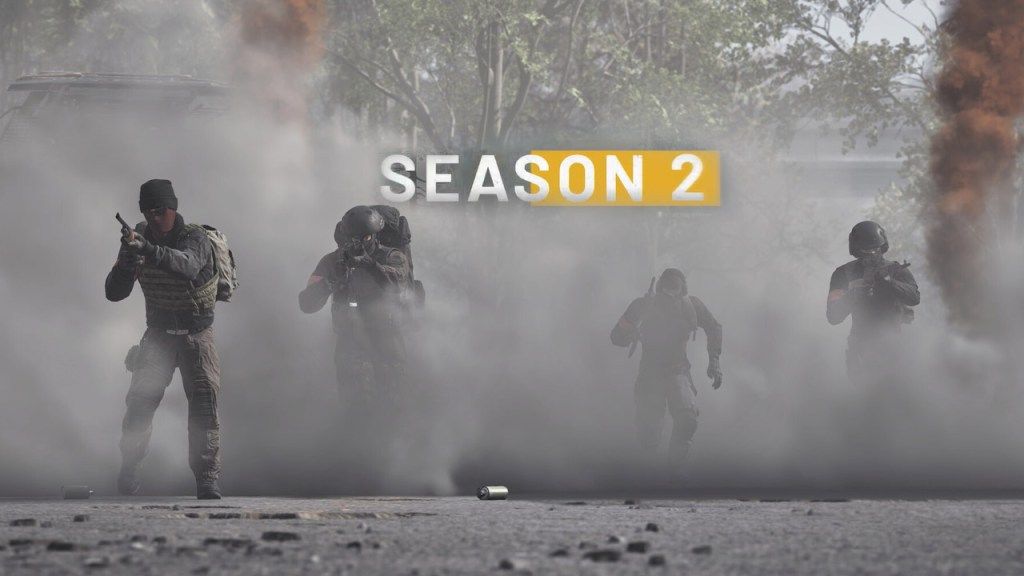
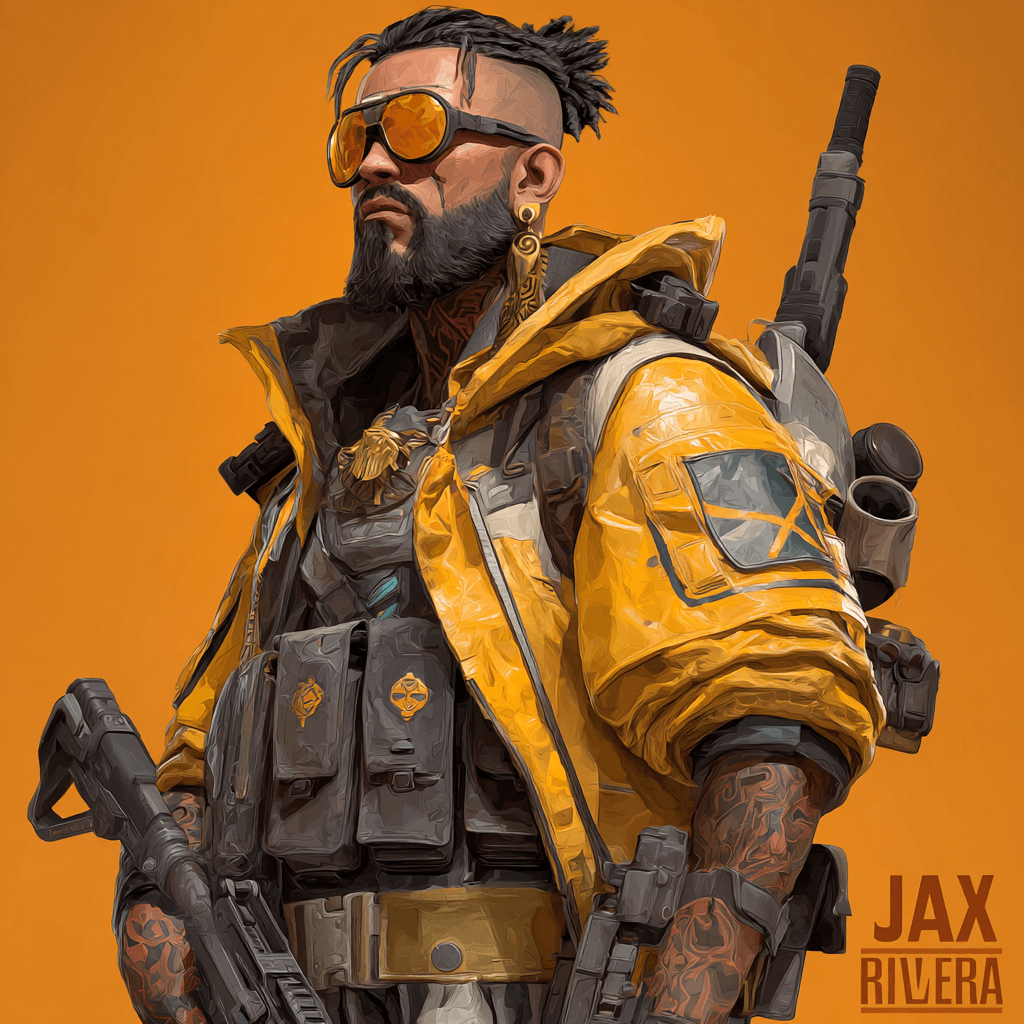
Wardogs Season 2 adds a Wager Vendor that lets players stake in-game cash on their own performance, raising design questions for Bulkhead's sandbox shooter.
Image: vice.com
Wardogs Season 2 turns performance into a cash risk
Wardogs Season 2 launches on October 15 with a new Wager Vendor, an early access feature that lets players stake in-game cash on their own match performance. That is the sharpest design swing in Bulkhead's Season 2 update because it puts the game's economy directly on top of moment-to-moment shooter decisions: push a hot zone, take a worse loadout, chase headshots, revive teammates, or lose the money you put down.
IGN, Rock Paper Shotgun, and Polygon all describe the system as a self-betting mechanic built around player-defined goals. In IGN's interview, Bulkhead co-founder Howard Philpott said the Wager Vendor lets a player set a target such as getting 20 kills, then add conditions that raise the odds. Senior producer Kane Allard gave a more specific example: five kills, all headshots, all with the AK74M, all in the hot zone, with a loadout costing less than 20K.
That is a very different pressure profile from a normal challenge board. A challenge asks whether you can complete an objective. A wager asks whether you are willing to make your next respawn economically worse if you fail. For a Wardogs sandbox shooter built around cash, vehicles, construction, weapons, and team roles, that difference can change how players value every fight.
How the Wardogs betting mechanic is supposed to work
Polygon, citing the Season 2 patch notes, says players will build a slip from actions, meaning what they intend to do, and conditions, meaning restrictions they accept in return for better odds. The patch notes add that conditions raise the payout but fail the wager if the player breaks them. Polygon also reports that a live wager tracker will sit permanently above the minimap, showing the player's stake and progress.
The examples from Bulkhead's IGN interview show the intended range. A confident fragger can bet on kill counts. A player can stack restrictions around weapon choice, location, headshot requirement, and loadout budget. IGN also notes that a medic could theoretically wager on reviving 30 players, turning a support job into a personal payout route.
There is one important timing wrinkle. Rock Paper Shotgun frames the Wager Vendor as something players can visit once Season 2 goes live after the October 15 progress wipe. IGN, however, reports from its interview with Bulkhead that the system technically will not be available to players immediately at season launch because they must unlock it by building up cash. Those claims are not fully contradictory, but they describe different levels of access. The vendor is part of the Season 2 update, while individual players may need to rebuild enough economy after the wipe before using it.
The reward structure could help roles, or distort them
The best version of the Wardogs Season 2 betting mechanic is easy to understand. It can reward players for being deliberate. If the game pays a medic for revives, a builder for infrastructure, or an infantry player for winning fights under strict conditions, then the wager becomes a self-selected skill test. In that version, the player is not waiting for a battle pass task to tell them how to play. They are choosing a risk, taking it into the match, and living with the result.
That could be valuable in a sandbox shooter where pacing can scatter players across combat, logistics, vehicles, forward bases, and opportunistic farming. Rock Paper Shotgun reports that Season 2 also adds a Squad Intent feature, allowing squad leaders to publicly label squads around purposes such as building, FOB attacking, or being noob friendly. If that system works alongside wagers, it could reduce some friction by making intentions clearer before players start chasing payout goals.
The bad version is just as obvious. Any system that rewards personal side objectives can pull players away from the current team need. A player trying to land AK74M headshots in a hot zone may ignore a better angle, a vehicle threat, or a revive chain. A player protecting a wager condition may become risk-averse when the team needs bodies on point. A medic chasing a revive count might play better, but they might also prioritize volume over survival or positioning. In a shooter, incentives become meta faster than patch notes can explain them.
Bulkhead is treating wagers as an experiment, not a finished pillar
The most reassuring line comes from Polygon's report on the press release. Bulkhead called the Wager Vendor the first pass of a very experimental early access feature, said it intends to expand the system over time, and said it may add or remove it during the season if it becomes too exploitable.
That caveat matters because a self-betting system is vulnerable to several shooter-specific problems. Players can optimize low-risk slips if the odds are too generous. Squads can potentially coordinate around conditions in ways the system did not predict. A live tracker can create tunnel vision. Cash-rich players may absorb losses and brute-force high payout routes, while weaker players may dig themselves into worse economic positions after the reset.
Bulkhead is also changing other parts of the sandbox at the same time. ScreenRant reports that Season 2 adds four new role-linked weapons, new attachments, Molotov cocktails, rainy weather, vehicles, buildables, and broad balance changes to weapon damage, armor, construction, vehicles, and progression. That makes it harder to isolate the Wager Vendor's effect. If kill wagers spike, is that because the mechanic is too lucrative, because new weapons are overtuned, because rain changed sightlines, or because post-wipe players are cash hungry? Early access gives Bulkhead room to adjust, but it also means Season 2's economy will be tested in public.
This is gambling language, but the pay-pressure question is narrower
IGN calls the feature a gambling system, Polygon describes players gambling on their own in-game performance, and Rock Paper Shotgun also characterizes it as gambling. Based on the provided source material, the stake is in-game cash inside Wardogs' cash-based economy. Polygon says every action rewards in-game money, and IGN says players can win or lose cash through the Wager Vendor.
No provided source says Wardogs Season 2 lets players buy wager currency with real money, stake premium currency, or cash out rewards. That distinction is essential when asking whether the Wardogs gambling mechanic crosses into pay pressure. On the evidence available here, the confirmed pressure is economic inside the match and progression loop, not a documented real-money gambling system.
That does not make it harmless by default. If in-game cash controls access to effective loadouts, vehicles, construction options, or recovery after death, then losing wagers can still push players toward grindier behavior. The design risk is that an optional system becomes practically expected for players who want to keep pace economically. The cleanest version lets skilled or specialized players add tension and earn faster. The ugly version trains everyone to treat normal team play as leaving money on the table.
Season 2 is also using cash to reshape team behavior
The Wager Vendor is not arriving in isolation. Multiple reports describe Season 2 as an economy-heavy update that uses cash and XP to correct player behavior. Rock Paper Shotgun and Polygon both report that Lonestar, the blue team, has had lower win percentages than other factions. Rock Paper Shotgun attributes Bulkhead's explanation to unfavorable spawn positions and uniform visibility rather than player deficiency.
Season 2 will respond with several adjustments. Polygon reports that Lonestar will receive cash and XP win bonuses and teamplay action cash and XP multipliers for the duration of the season. Rock Paper Shotgun says Lonestar attire colors are being desaturated to better match the camouflage of red and green teams. Polygon adds that Bakurani faction spawns have been moved and routes to the control zone have been purpose-built. Polygon also reports a 20% vendor discount for whichever team is losing by at least 40 points behind second place, not only Lonestar.
That context changes the Wager Vendor conversation. Bulkhead is clearly comfortable using money to steer player behavior. Team choice, comeback pressure, role activity, and now personal challenge-taking are all being touched by economic incentives. For competitive players, the question becomes whether the best play is still the best play, or whether the best paid play starts to warp the match.
Who should jump in on October 15, and who should wait
If you already like Wardogs' early access chaos, Season 2 looks like a meaningful reset point. The October 15 launch comes with a game-wide progress wipe, the Wager Vendor, rain with visibility and sound implications reported by Rock Paper Shotgun, new weapons and vehicles, new buildables, Squad Intent, and major balance work detailed by ScreenRant. That is enough change to make old money routes and combat habits less reliable.
If you are coming specifically for the Wardogs Season 2 update's betting system, temper expectations. IGN reports that players will need to build up cash before the Wager Vendor is available to them. Polygon's reporting also makes clear that Bulkhead views it as experimental and potentially removable if it becomes exploitable. In other words, do not treat the launch implementation as a settled economy feature.
For competitive players, the smart approach is to treat early wagers like loadout testing. Start with objectives that match your actual role, then watch how often the wager makes you choose against the team's immediate need. If your bet is telling you to ignore the fight that wins the point, the odds are already beating you. Wardogs Season 2 is asking players to put money on their own discipline. In a sandbox shooter, discipline is often the first thing that breaks.