
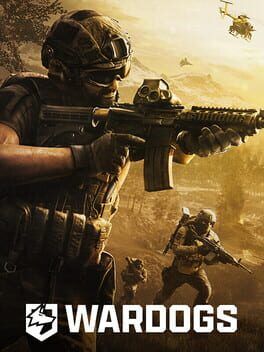
Bulkhead is lowering Wardogs official server ping limits to 175ms while building region locking, prompting backlash over cheating claims, cross-region squads, refunds, and server access.
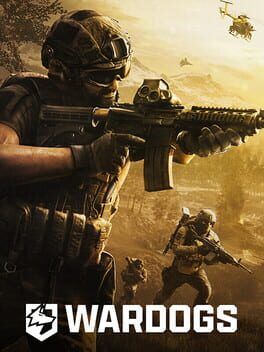
Image: IGDB
Store links: Wardogs on Steam, WarDogs: Red's Return on Steam
Bulkhead is turning ping into a gatekeeper
Bulkhead has begun tightening Wardogs PvP regions by lowering the maximum ping on official servers to 175ms, a move the studio says is part of a wider effort to control regions and protect players from areas it described as “more prone to cheating.” The immediate tension is simple: a shooter built around social play, cross-region squads, and large-scale firefights is now using latency limits to decide who can realistically join official servers.
Last Word on Gaming reports that Bulkhead announced the change on Oct. 21 through the official Wardogs X account, saying it had “begun the process of controlling regions.” IGN and iGame Magazine both cite the same developer statement, including Bulkhead’s explanation that it wants to protect “the largest amount of players” from an influx of regions associated with cheating in the studio’s current assessment.
The confirmed change is a 175ms maximum ping on official servers. According to Last Word on Gaming, Season 2 introduced region-based ping limits on Oct. 15, but those limits were initially looser, with players reporting official servers that allowed latency as high as 250ms. Bulkhead is now lowering that ceiling while continuing work on backend region locking. That distinction matters. The Wardogs region lock is not yet described in the available reporting as a completed country-by-country ban system. Right now, the practical lock is latency: if your connection to an official server sits too high, you can be removed and blocked from immediately rejoining that same server.
The cheating controversy is now tied to latency, fairly or not
Bulkhead’s stated reason is cheating, but the tool it is using first is ping control. That is where the Wardogs cheating controversy gets messy. High ping can ruin a firefight without any cheat software involved. In a competitive FPS, a 175ms player and a 40ms player are effectively living in different gunfights. Peeker’s advantage, delayed hit confirmation, warping movement, and ugly trades all become harder to separate from deliberate abuse when the server is trying to reconcile distant clients.
Last Word on Gaming reports that player complaints have covered both categories: high-latency users joining North American and European servers, and accusations involving aimbots, wallhacks, cheat advertising, and alleged DDoS incidents. The same outlet says Bulkhead already operates client-side and server-side anti-cheat systems, behavioral detection, and account bans, but is now treating regional controls as another protective layer.
The controversy comes from Bulkhead’s wording as much as its server settings. IGN quotes the studio saying it is protecting the largest number of players from regions “more prone to cheating.” That phrasing has led some players to argue that the studio is blending real anti-cheat concerns with regional suspicion. IGN cites one Asian player who said the change effectively bans Asian players and encourages players to label normal kills from high-ping users as “Chinese cheater” moments in public chat. Another quoted player argued Bulkhead should strengthen anti-cheat instead of locking out players by region.
From a shooter design standpoint, ping caps are a blunt but understandable emergency lever. They reduce the number of extreme-latency fights, which can make servers feel cleaner fast. They do not prove that the players being excluded were cheating, and they do not directly detect cheats. That is the fault line in this debate: Bulkhead is using network geography to reduce exposure to bad actors, while affected players see a technical rule being used to validate broad cheating claims.
Official servers get stricter, community servers stay flexible
The current Wardogs server lock is aimed at official servers. Last Word on Gaming reports that community servers remain more flexible, with administrators able to choose their own ping restrictions and potentially allow cross-region groups. iGame Magazine also reports that community server admins have been able to set their own ping limits since Season 2.
That creates a split player experience. If you play on official servers, the 175ms cap is the new practical boundary. If you are in an international squad, especially one split between North America, Europe, Asia, or Australia, the odds of one side exceeding that cap are high. DualShockers argues that players in less populated regions could feel the cost hardest, since being pushed back toward designated local servers can hurt communities with smaller matchmaking pools.
For competitive integrity, the move makes sense on paper. Official servers are where players expect the cleanest baseline: stable hit registration, readable movement, and fewer suspicious deaths caused by delay or actual cheats. For Wardogs’ social design, it cuts against the game’s own appeal. IGN quotes Bulkhead acknowledging that these divisions are disappointing because social experience is a core focus of Wardogs. The studio’s own framing admits this is a tradeoff, not a clean win.
The practical guidance is straightforward. If your group already plays within one region, official servers should become less tolerant of high-latency outliers. If your group is international, community servers may be the only confirmed flexible path in the reporting. That is not the same as a full solution, since community rules depend on individual admins and may not offer the same population or consistency as official matchmaking.
Players say the change punishes squads that bought in for cross-region play
The loudest backlash is coming from players who say Wardogs was sold to them as a social shooter they could play with friends across borders. IGN quotes one American player with Australian friends calling the change unacceptable and asking why access was not limited only from China. IGN also quotes another player saying they would seek a refund because they bought Wardogs to play with friends and did not buy it under a ping-limit expectation.
Those reactions show the two competing readings of the Wardogs PvP regions change. Supporters of tighter restrictions see it as a necessary response to weeks of cheating accusations and bad server experiences. Critics see it as a rug pull for legitimate players who are now being grouped with cheaters because of where they live or who they play with.
Last Word on Gaming reports that the issue had been building since Wardogs entered Steam Early Access, with the main subreddit creating a region-lock and ping-cap megathread by late September because of repeated posts about high-latency players on North American and European servers. That timeline matters. This was not a single patch note landing out of nowhere. It followed weeks of pressure from one side of the community, then triggered a new wave of anger from another.
The hardest part for Bulkhead is that both problems can be real at the same time. High-ping cross-region players can make gunfights feel terrible. Cheaters can poison a server population fast. Legitimate Asian, Australian, European, and American players can also be caught in the same net, especially if their main reason to play is a friend group rather than a local competitive queue.
Refunds are being requested, but no special refund plan has been reported
Refunds are now part of the conversation, but the available reporting does not show Bulkhead or Team17 announcing a special refund program tied to the Wardogs region lock. IGN reports that some players are already asking for refunds after being blocked from playing with international friends, including one quoted player who said they would be “getting a refund.” That is evidence of player intent, not evidence of publisher approval.
iGame Magazine lists Wardogs as a PC Windows Steam Early Access title priced at $39.99, £36.99, and €39.99, with Bulkhead as developer and Team17 as publisher. None of the provided reports cite a new Steam policy exception, compensation plan, or automatic entitlement for players affected by the ping cap. That makes broad refunds uncertain based on the current record.
The better expectation is case-by-case refund attempts through the storefront, not a guaranteed Wardogs-specific refund wave. Players who bought the game primarily to play across continents have a clear complaint, especially if the 175ms cap now blocks their usual squad. But the sources only confirm that players are asking and criticizing the change. They do not confirm that Bulkhead or Team17 has opened the door to special refunds.
Server transfers are even less concrete. The reporting describes ping caps, backend region locking in progress, and community server flexibility. It does not describe a server-transfer system, regional migration tool, or promised workaround for progression tied to different official regions. DualShockers notes Wardogs has intended long-term progression, which raises the stakes, but no source here reports a transfer solution. If you are worried about losing access to your preferred official server, the only confirmed near-term options are testing your ping under the new cap or finding a community server with rules that fit your squad.
The unanswered question is whether region locking actually reduces cheating
Bulkhead’s decision may improve the average official-server match quickly by cutting high-latency traffic. That is the easy win. The harder test is whether players perceive fewer cheaters after the change, because the studio has now linked the Wardogs server lock to anti-cheat outcomes.
If suspicious deaths continue at the same pace, critics will argue the region lock punished legitimate players while failing to address cheat tools directly. If official servers feel cleaner, supporters will say the 175ms cap was overdue. The problem is that public perception in an FPS rarely separates netcode frustration from cheating accusations cleanly. A bad hit-reg moment, a desynced peek, and a real wallhack can all feel like the same death screen when trust is already gone.
Bulkhead has said, according to IGN and Last Word on Gaming, that backend region locking is still in progress and is more complex than flipping a switch. That leaves major details unannounced: which regions will be affected, whether the system will be stricter than ping caps, whether exceptions will exist for parties, and how community servers will fit into the long-term plan.
For now, the safest read is this: Wardogs official servers are becoming less cross-region by design, the change is driven by a mix of cheating complaints and ping frustration, and players hoping for refunds or server transfers do not yet have a confirmed publisher-backed path. If your squad lives across oceans, wait for Bulkhead’s next region-locking update before assuming your current setup will survive.