
How Wanderstop and Citizen Sleeper’s Switch 2 editions hint at a more powerful, more flexible home for narrative indies on Nintendo’s next hybrid.
Nintendo’s next hybrid is still wrapped in marketing mystery, but the eShop is already telling a story about how indie and narrative-driven games will live on the hardware. Two of the most telling examples are Wanderstop and Citizen Sleeper: Nintendo Switch 2 Edition. Both are small in footprint, heavy on words and choices, and they quietly showcase why Switch 2 could be an even better indie home than the original system was in its prime.
File sizes that respect portable storage
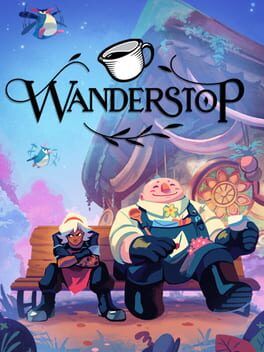
The recent file size roundup from Nintendo Everything puts hard numbers on just how lean these games are on Switch 2. Wanderstop weighs in at 5.4 GB, while Citizen Sleeper: Nintendo Switch 2 Edition lands at just 3.6 GB. Set those beside headline releases like Devil May Cry 5 Devil Hunter Edition at 30 GB and a new Star Fox at 14.8 GB, and a picture emerges of a library where narrative indies barely graze the storage ceiling.
On a handheld that still ships with limited internal storage and expects players to juggle microSD cards, this matters. Back on the original Switch, the combination of modest CPU, limited RAM, and a small base drive pushed a lot of bigger third party titles into heavy compression and aggressive asset cuts. Smaller games had to compete for precious space against ports that were eating 20 to 30 GB each and often asked players to delete multiple indies just to fit one big new release.
With Switch 2, the early line suggests a similar pattern at the top end but with more headroom both in hardware and storage. The striking thing is how generously sized these new narrative editions are relative to what they deliver. Wanderstop is a cozy, heavily scripted adventure built around expressive animation and a rich, lived-in tea shop. Citizen Sleeper is a tabletop inspired RPG that leans on high resolution character art, text, and ambient UI. Neither is bloated, but neither feels like it has been starved to hit an arbitrary cap. Their file sizes read like a comfortable target for indies that want to scale up art and audio quality without ballooning into double digit gigabytes.
Technical expectations: more than a straight port
Wanderstop and Citizen Sleeper also hint at a subtle shift in expectations for indie releases on Nintendo’s hardware. On the original Switch, developers often had to carve back ambition in resolution, texture detail, and post processing. Many narrative games arrived later than on PC, or in a “good enough” state with lower frame rates and muddy text rendering.
Switch 2’s early eShop listings and marketing copy do not spell out cut-and-dry performance targets, but there is a clear assumption from players and publishers that these games should hit clean 60 fps or at least stable 30 fps with crisp UI both docked and handheld. For a game like Wanderstop, which leans on gentle motion and expressive character animation, higher resolution helps sell the emotional beats in small gestures and environmental details. The creator pedigree from The Stanley Parable and The Beginner’s Guide means expectations for presentation are higher this time, and Switch 2 is the first Nintendo platform that plausibly lets an Annapurna published game hit near parity with PS5 and Series X builds without a lot of bespoke compromise.
Citizen Sleeper’s Switch 2 edition is an even clearer statement. The original release on Switch already ran well, but it leaned on static art and careful UI design to stay readable on the 720p handheld screen. A dedicated Switch 2 listing suggests updated assets and a UI pass that can take advantage of higher native resolution in handheld mode, wider color range, and better text clarity. For a game built around reading dialogue, parsing dice effects, and tracking multiple quests across a busy space station, that jump in visual fidelity has direct gameplay benefits.
Performance expectations also bleed into loading and quick resume behavior. Narrative games are at their best when friction between scenes is minimal. Faster storage and CPU mean shorter loads between locations and dialogue-heavy scenes, and they allow for more generous autosaves, instant scene restarts, or rewind options without turning every transition into a wait screen. On original Switch, developers often had to finesse around those costs. On Switch 2, the baseline expectation is that the console can handle snappier scene swaps, which in turn encourages more adventurous narrative structures.
Portability as a narrative amplifier
The original Switch became synonymous with indie games because it let players chip away at long narrative arcs on a commute or in bed. Switch 2 inherits that strength, but Wanderstop and Citizen Sleeper show how it can actually amplify narrative play through better ergonomics and display tech.
Wanderstop’s cozy loop of tending a roadside tea shop, talking with travelers, and deciding how to respond to change is perfectly suited to short sessions. Its structure invites you to play one or two in-game days, close the lid, and think about your last dialogue choice before coming back later. Better battery life and a brighter, sharper screen make that style of play easier to sustain in variable lighting, and more efficient hardware helps keep fan noise and heat low so the fantasy of a quiet retreat in the woods is not undercut by a whirring handheld.
Citizen Sleeper’s Switch 2 edition should benefit even more. The game is all about making tense choices in small windows of time: you wake up, roll your dice, assign them to actions, and then watch outcomes cascade across the space station. Those turns were already digestible on original Switch, but text density and small UI elements made longer, late game sessions a little taxing on the eyes in handheld mode. Higher pixel density and stronger font rendering make long reading sessions more comfortable, which is critical for a game that is essentially a science fiction novel you poke at during lunch breaks.
Portability also allows these games to occupy the margins of big budget releases on Switch 2. When your main save file is a 30 GB action game that demands the TV and your full attention, a 3 to 5 GB narrative title that loads in seconds and can be played for ten minutes before bed fills a different niche. The hybrid nature of the hardware makes that contrast sharper than on purely stationary consoles, and it is exactly the space where many indie publishers like Annapurna and Fellow Traveller thrive.
A stronger platform for indie publishers?
The question hanging over all of this is whether Switch 2 will be a better indie platform than the original Switch, especially in its late life. On one hand, the first system set a staggeringly high bar. It turned Nintendo’s eShop into a default destination for countless independent releases, created success stories for everything from Celeste and Hollow Knight to narrative adventures like Night in the Woods, and proved that players would buy the same indie twice for the benefit of portability.
Yet late generation realities were harsher. The store became crowded to the point of discoverability problems, hardware constraints made ambitious ports harder to justify, and some publishers reported that Switch sales softened as players shifted to newer hardware elsewhere. Many narrative games arrived months or years late or skipped Switch entirely when development budgets could not stretch to extensive optimization.
Early signals around Switch 2 suggest a different balance. Wanderstop launching with a specially promoted Nintendo Switch 2 edition and a dedicated physical release through iam8bit, and Citizen Sleeper getting its own labeled edition rather than a quietly patched port, both point to a platform holder and a set of partners that want these games in the spotlight. The eShop file size roundups that lump them in the same breath as Devil May Cry 5 and Star Fox push the message that narrative indies are part of the launch story, not just filler between tentpoles.
Higher baseline performance also lowers the technical tax that kept some indies away from Switch late in its life. If targeting Switch 2 means hitting one scalable PC-like profile for CPU and GPU, then downscaling for original Switch or other last gen consoles becomes a separate, optional investment rather than the linchpin of a port. That makes it easier for small teams to ship day and date across platforms, which is crucial for narrative games that rely on word of mouth at launch.
Storage flexibility further sweetens the deal. When a publisher can reasonably expect that a high profile action title might take 30 GB and an ambitious narrative game can stay under 6 GB without compromise, they can plan multi game bundles, include full soundtracks, or offer deluxe editions without worrying that customers will need to delete half their library. For players who treat their Switch 2 like a portable story machine, that opens the door to keeping an entire catalogue of narrative games installed at once.
What Wanderstop and Citizen Sleeper tell us about the future
These two games are only a slice of the Switch 2 launch story, but taken together they outline a platform where indie and narrative driven projects are expected to be more visible, more technically confident, and more comfortable to live with over the long term.
Wanderstop frames the console as a place for reflective, slow burn experiences that still look and feel at home next to big budget releases. Citizen Sleeper’s Nintendo Switch 2 Edition underlines that previously successful indies can come back with enhanced versions that respect players’ time and storage while taking advantage of better hardware to refine what matters most: legibility, atmosphere, and mood.
If Nintendo can maintain that balance across its store curation and marketing, Switch 2 could avoid some of the late life pitfalls that dulled the original’s indie shine. The eShop will still be crowded, but a hybrid machine that treats 3.6 GB narrative RPGs and 30 GB action blockbusters as peers, and that lets you take both on the road, remains a powerful proposition. For indie publishers who care about where and how people experience their stories, that might be reason enough to treat Switch 2 as their new default home.