

Viture’s $299 Pro 2 XR glasses aim at longer portable gaming sessions with a lighter frame, sharper optics, and Switch 2 dock support, but comfort still depends on fit, vision needs, and setup tolerance.
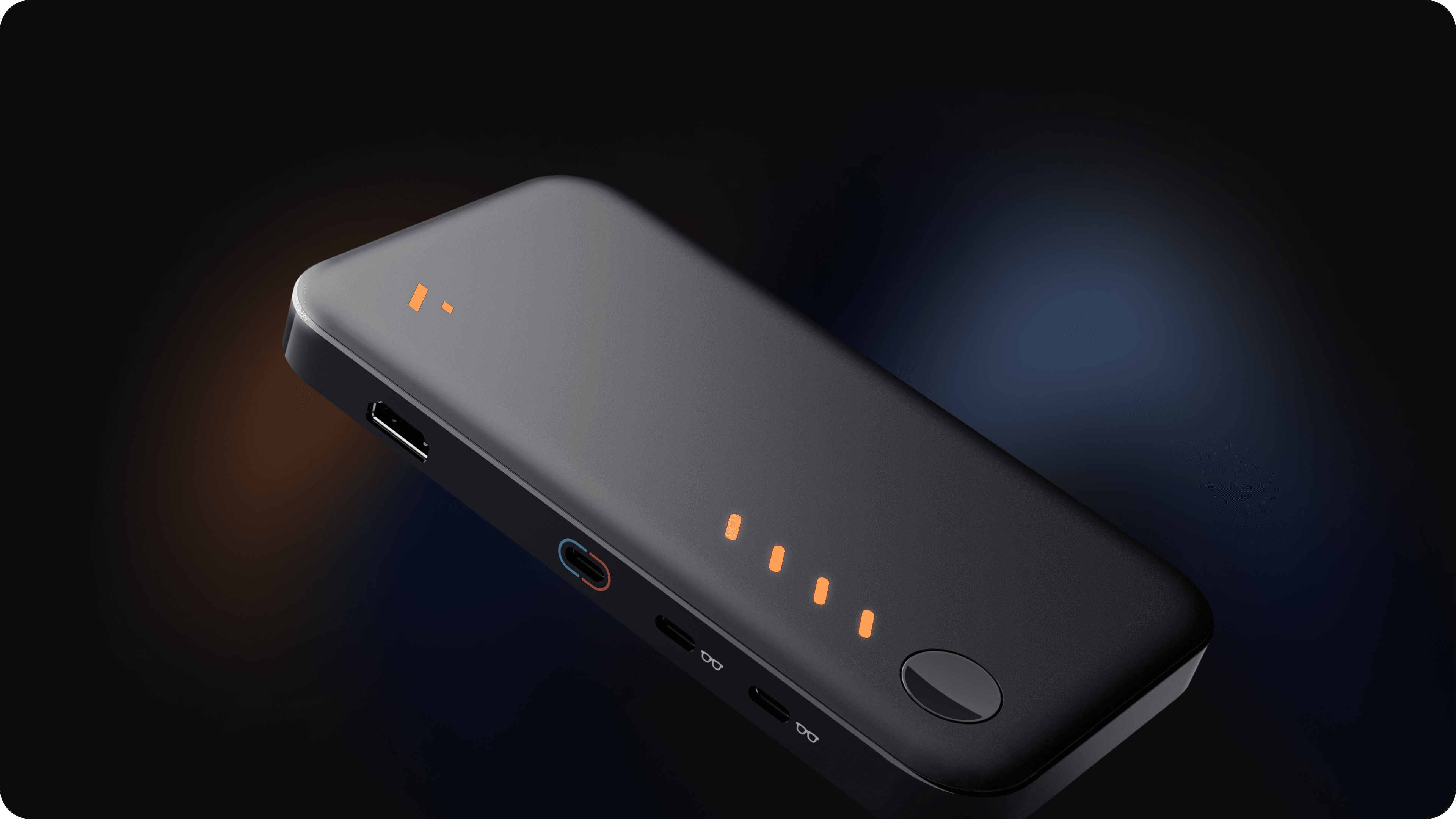
Image: viture.com
A cheaper big-screen pitch with a comfort problem to prove
Viture has officially revealed the Viture Pro 2 XR glasses at $299, with availability beginning August 6, according to GameSpot, AndroidGuys, DualShockers, and Notebookcheck. The timing and price are the concrete news. The tension is whether a lighter pair of portable gaming glasses can make the “huge private screen” pitch feel useful after the first impressive demo, especially for Switch 2 players who already bought into handheld convenience.
Viture’s pitch for the Pro 2 is built around longer sessions. GameSpot reports that the company calls these its lightest and thinnest XR glasses yet, with the product focused on comfort, travel-friendly ergonomics, and 1080p 120Hz video through Sony micro-OLED displays. DualShockers and Pure Nintendo both report the weight at 63 grams, 20% lighter than the original Viture Pro, while Notebookcheck says the previous model weighed 77 grams. AndroidGuys adds that the frame is 16% thinner than the original Pro.
That puts the Pro 2 in a different conversation from a simple spec race. A brighter screen, a wider field of view, and a lower launch price help, but Viture is really trying to answer the most ordinary portable-gaming complaint: handheld screens can be cramped, posture can get ugly, and long sessions can turn even cozy platformers into neck-and-eye negotiations. The Pro 2’s promise is a private larger display from gear that can travel with the console. The unresolved part is whether the glasses stay comfortable once the novelty fades.
The Pro 2 specs are aimed at readability, not spectacle alone
The Viture Pro 2 XR glasses use Sony micro-OLED displays with 1080p output at up to 120Hz, according to GameSpot and Notebookcheck. GameSpot and AndroidGuys report a peak brightness rating of 1,600 nits, up from the previous Pro’s 1,000-nit figure cited by AndroidGuys and Notebookcheck. Notebookcheck also reports a 50-degree field of view, compared with 46 degrees on the earlier Pro, and says Viture advertises up to a 146-inch virtual display.
Those numbers matter most when they serve clarity. GameSpot says Viture’s UltraClarity 3.0 system uses new Birdbath optics intended to keep the image sharp across the lenses, reduce eye strain, and address chromatic aberration seen in older Viture glasses. AndroidGuys describes the same system as targeting image sharpness across the full field of view, field curvature, geometric distortion, and image stability when the wearer looks away from the center.
For handheld games, that is the right target. A giant virtual screen does little good if UI text softens near the edges or if a precision platformer’s hazards smear at the limits of your vision. Small games often use tiny icons, compact fonts, and pixel-perfect spacing because the craft lives in readable detail. Viture appears to be pitching Pro 2 less as a theater gimmick and more as a readability upgrade for devices players already carry.
There are still limits in the confirmed specs. Notebookcheck notes that the Pro 2 remains Full HD and says it does not support HDR10, unlike the RayNeo Air 4 Pro that outlet previously reviewed. So the upgrade story here is not “highest-end everything.” It is a cheaper, lighter, brighter XR glasses for gaming package that tries to make 1080p feel stable and legible enough for longer play.
Switch 2 support depends on the new Mobile Dock Mini
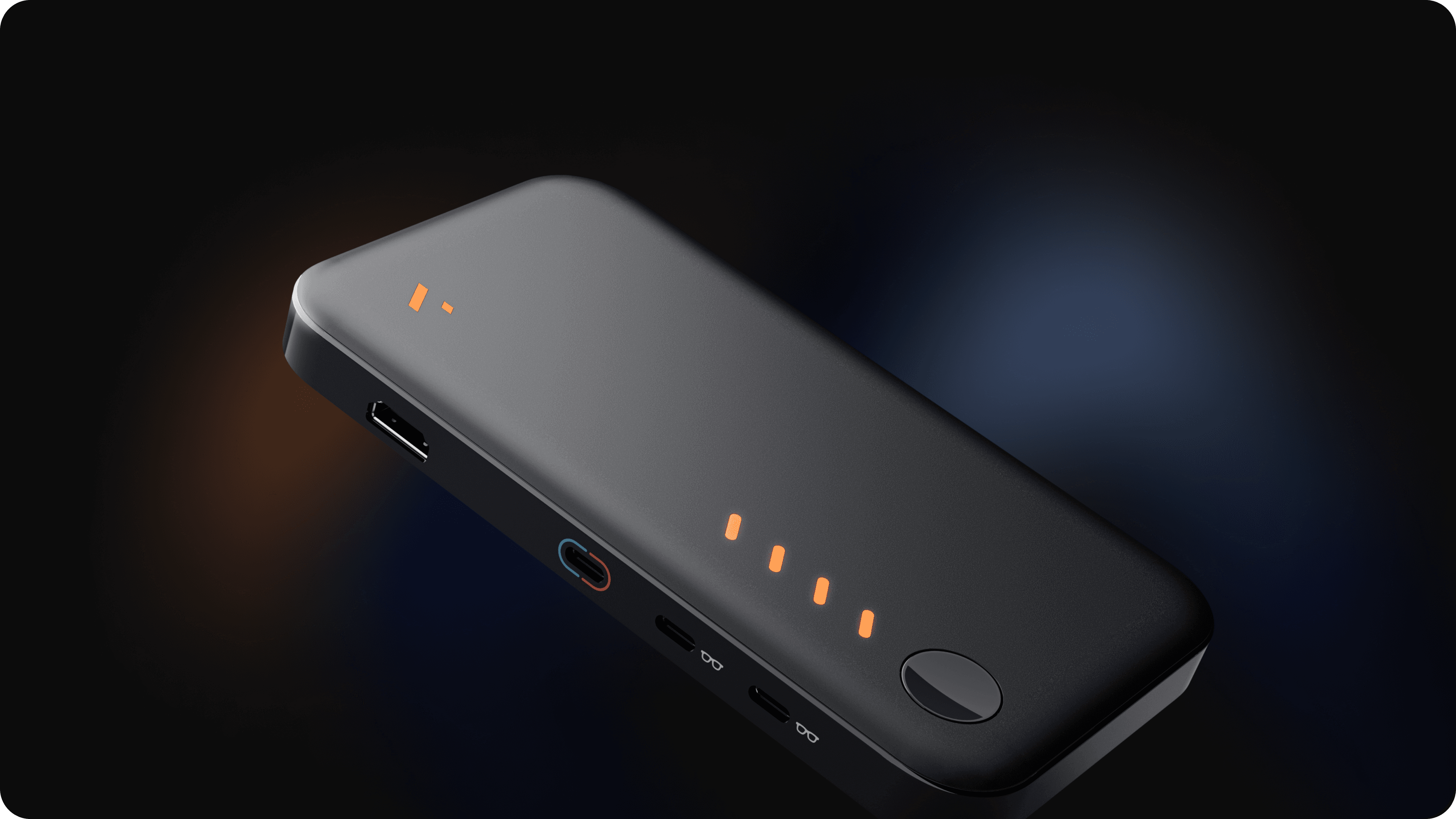
For Switch 2 XR glasses use, the key accessory is Viture’s Mobile Dock Mini. GameSpot reports that the $99 dock is compatible with all Viture XR glasses and has two modes: a Hub Mode that creates a digital handshake with consoles like the Switch 2 so the glasses can display gameplay, and a Solo Mode that turns it into a standard USB-C hub. GameSpot also says Switch 2 players can anchor the Mobile Dock Mini to the handheld with a magnetic mount.
AndroidGuys, Engadget, and Notebookcheck all report that the Mobile Dock Mini includes a 10,000mAh battery. AndroidGuys says it can supply power to a phone, Nintendo Switch or Switch 2, and Viture glasses at the same time. Engadget reports the dock is about 250 grams, 34% smaller, and 30% lighter than the prior model, and says its detachable magnetic adapter can also be used as a standalone hub when connecting Nintendo’s handheld to a regular TV or monitor. Notebookcheck similarly says the magnetic adapter can be detached to use the dock without the built-in battery.
The mode naming is not perfectly aligned across coverage. GameSpot uses “Hub Mode” for the console-handshake setup and “Solo Mode” for hub use, while AndroidGuys describes a Switch 2-attached “Hug Mode” with the magnetic mount and a “Solo Mode” when the adapter is removed. The practical point is clearer than the labels: Switch 2 support appears to require the dock path, and the Mini is designed to keep that setup portable rather than turning it into a tabletop cable nest.
That distinction is important for buyers. These are portable gaming glasses, but Switch 2 players should think of the Pro 2 as part of a small system, not a single plug-and-play purchase in every scenario. The glasses cost $299. The Mobile Dock Mini is reported at $99. If Switch 2 is the main use case, the real entry price may be closer to $398 before any taxes, shipping, or optional accessories.
Comfort is the feature, and the hardest claim to verify
Viture’s comfort argument has several confirmed pieces. GameSpot says each Pro 2 includes three nose-pad sizes with seven adjustment positions, a detachable lens shade to block ambient light, and a travel case. DualShockers also reports three included nose pads and seven configuration options. Notebookcheck adds that the temples have three adjustable levels. GameSpot, DualShockers, Pure Nintendo, and AndroidGuys all report built-in diopters, with Pure Nintendo and AndroidGuys specifying individual eye adjustment from 0 to -5.00D.
Pure Nintendo’s hands-on report is the useful caveat. The outlet says the Pro 2’s comfort focus is welcome because discomfort after 30-minute sessions is a common complaint with VR headsets and XR glasses. It also reports SGS A+ eye care certification focused on low blue light, flicker-free operation, and low visual fatigue. But the same writer says their strong prescription and astigmatism were not fully accommodated by the built-in diopters, even after adjusting both eyes near the strongest settings, and that their eyes watered early in sessions.
That is not a knock against the Pro 2 so much as a reminder that wearable-display comfort is personal. A 63-gram frame is a meaningful reduction on paper, and built-in diopters can spare many nearsighted players from prescription inserts. Pure Nintendo specifically notes that Viture says the range should accommodate most nearsighted users. But “most” is doing real work there. Players with stronger prescriptions, astigmatism, or sensitivity to close-focus displays should not treat a spec sheet as a fitting room.
GameSpot’s early testing points in the other direction. The outlet says the Pro 2’s added sharpness across where the eyes focus is “something to behold,” and says the glasses make a strong case as a budget-friendly alternative to Viture’s larger Beast XR glasses. GameSpot frames the Pro 2 as an improvement over the edge blurriness it found annoying, though not game-breaking, in the Beast XR. The split between those hands-on accounts is exactly the buyer’s dilemma: optics may be better, but your face and eyes still get the final vote.
The big-screen benefit is real only if it fixes a specific pain point
The best case for Switch 2 XR glasses is easy to understand. Handheld play is flexible, but it often asks players to hunch over a small display, tolerate tiny text, and accept a private session that is private only because the screen is close to your face. XR glasses move the screen into your field of view instead. Forbes, writing about the earlier Viture Pro XR glasses in 2025, described XR glasses as useful for gaming on flights or at home through a large virtual display only the wearer can see. That older review is not a Viture Pro 2 review, but it captures the use case Viture is still chasing.
For platformers, puzzle games, tactics games, and text-forward indies, the appeal depends on whether the Pro 2’s optical improvements keep the whole image readable. A lush 146-inch claim sounds splashy, but a good portable display lives or dies in menus, subtitles, cooldown icons, map labels, and the corners of the frame where games often hide crucial information. Viture’s UltraClarity 3.0 messaging, as reported by GameSpot and AndroidGuys, is aimed directly at that problem.
The big-screen pitch will not solve every handheld pain point. It does not remove the need to carry, charge, and connect another device. It does not make a small controller more ergonomic. It does not guarantee every player will enjoy the sensation of wearing display glasses for hours. And based on the supplied source material, there are no independent long-term battery tests for Switch 2 sessions with the Pro 2 and Mobile Dock Mini yet.
What it can plausibly solve is screen size and privacy without demanding a TV. That is valuable if you play in shared rooms, on trips, or in bed when holding a handheld at eye level gets tiring. It is less compelling if your current handheld setup already feels comfortable or if you mainly play games where color range, HDR, or zero setup friction matter more than a larger private image.
How the $299 price changes the Viture lineup
Price is one of the Pro 2’s sharpest moves. Pure Nintendo notes that the Viture Pro 2 XR glasses launch at $299, which is $100 cheaper than Viture’s Luma XR glasses and $300 cheaper than the Luma Ultra XR/AR glasses the outlet reviewed last year. Notebookcheck reports that the previous Viture Pro retails at $459, making the Pro 2 cheaper despite its lighter frame, brighter panels, and wider field of view.
That creates a buyer-friendly but slightly odd product story. The Pro 2 is not positioned as the raw-spec flagship. GameSpot notes that Viture’s Beast XR glasses offer more visual options, while the Pro 2 is making its case through sharper optics and affordability. Pure Nintendo similarly says the Pro 2 does not focus on raw specs, even though it includes some higher specs than more expensive Viture glasses.
For readers searching for a Viture Pro 2 review, the safest answer today is to treat early hands-on reports as promising but incomplete. GameSpot reports improved sharpness in testing. Pure Nintendo reports a lower price and comfort-first design, but also a personal fit problem tied to prescription needs and astigmatism. AndroidGuys, Engadget, and Notebookcheck provide launch details and spec context, including the dock’s 10,000mAh battery and Switch 2 support. None of the supplied sources establishes a full GameLoop-tested verdict on performance across long Switch 2 sessions.
The practical guidance is simple. If your main frustration with handheld gaming is screen size, and your eyesight falls within Viture’s diopter range, the Pro 2 looks like the most approachable Viture entry point yet on price and comfort claims. If you already own Viture glasses, the new optics and lighter build are the reasons to look twice, not a dramatic resolution jump. If you need HDR10, deep display customization, or certainty about prescription comfort, waiting for more Viture Pro 2 review coverage from users with similar needs is the smarter play.
The unanswered questions before a long-session verdict
The Pro 2’s launch story is unusually focused for gaming hardware: lighter glasses, better edge clarity, brighter 1080p displays, lower price, and a smaller Switch 2-friendly dock. That is a coherent answer to real portable gaming fatigue. It also leaves important gaps that launch specs cannot fill.
The supplied sources do not provide measured latency for Switch 2 play, long-run thermals, battery-life results under demanding gaming use, or a broad sample of fit testing across different faces and prescriptions. They also do not establish whether the Mobile Dock Mini’s Switch 2 setup feels seamless over weeks of travel, or whether the magnetic mount becomes one more piece players forget to pack.
Viture has picked the right fight. The next wave of XR glasses for gaming will be judged less by whether they can simulate a giant screen and more by whether that screen stays sharp, comfortable, and easy to use when the game asks for one more stage, one more shrine, one more impossible platforming room. Based on the reported specs and early hands-on notes, the Pro 2 is a serious attempt at that problem. Whether it becomes the easy recommendation for Switch 2 players depends on the lived-in details that only longer testing can answer.