
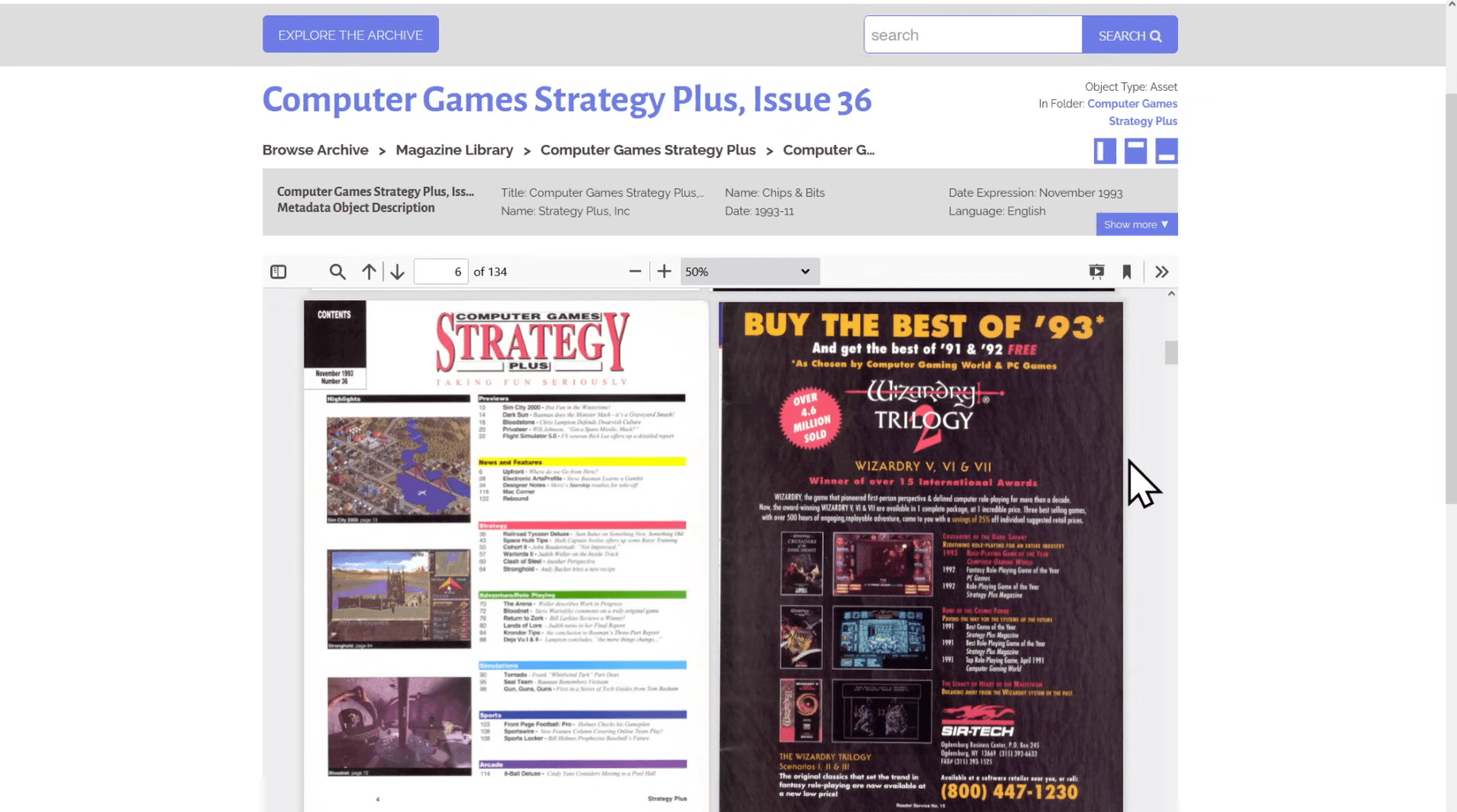
The Video Game History Foundation E3 archive is now free to access, collecting rare E3 footage, documents, photos, press kits, and organizer accounts from the show’s history.
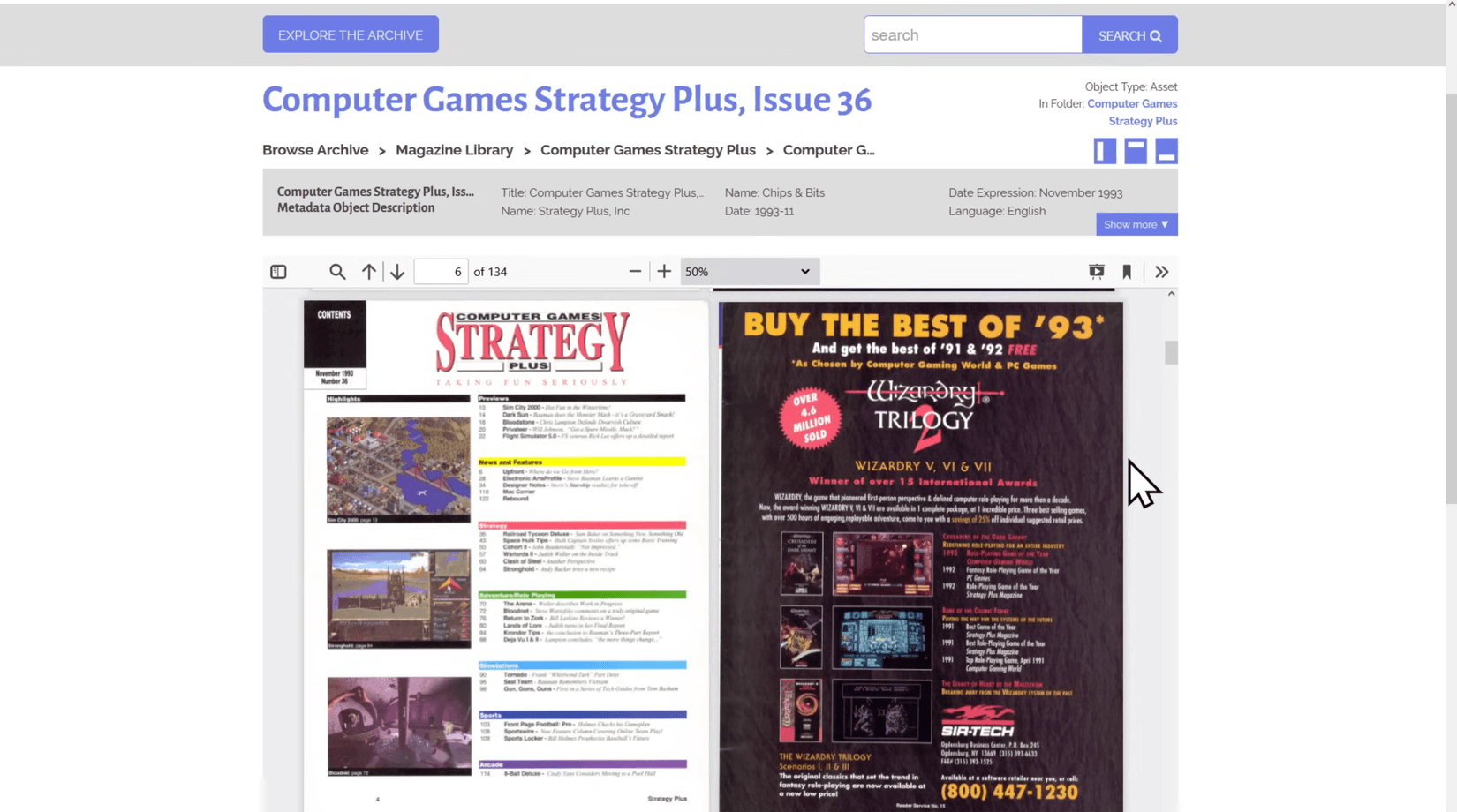
Image: polygon.com
A free E3 archive turns the show floor into a searchable historical record
The Video Game History Foundation has opened a free E3 archive through its digital archive, making rare footage, documents, photographs, press kits, organizer materials, and interviews available to anyone researching the Electronic Entertainment Expo. The foundation frames the new collections as a way to “experience E3 for yourself,” and the materials reach back to the show’s first year in 1995, according to the VGHF blog text cited by Rock Paper Shotgun.
That is the concrete development. The tension is what E3 has become since its peak: a dead trade show remembered largely through stage moments, trailer uploads, and secondhand mythology. This archive changes the angle of approach. Instead of treating E3 as a highlight reel, the Video Game History Foundation E3 archive preserves the machinery around the spectacle: exhibitor pitches, marketing programs, badge-lanyard pricing, show-floor photography, early video capture, and the less public administrative record that explains how the event worked.
For fans, researchers, video essayists, developers, and anyone trying to reconstruct the rhythm of the games business before livestream showcases took over, the value is practical. The archive does not require a press badge, a trade-show pass, or a fading memory of Los Angeles convention halls. The VGHF and its partners are putting the raw material online for free, where it can be studied rather than merely recalled.
The collection goes past trailers and into E3’s production layer
The Games Press announcement describes the collection as part of the Video Game History Foundation’s growing physical library and digital archive, with materials covering the show that dominated games media and helped shape the modern showcase era for more than 20 years. The strongest part of the release is its breadth. The archive includes historical video footage, rare ephemera, and exclusive organizer interviews, according to the announcement.
A major donation came from Carolyn Rauch, identified in the Games Press release as an Interactive Digital Software Association founding member who oversaw E3 planning and execution for much of the event’s lifespan. The IDSA was the industry trade organization before the Entertainment Software Association. Her contribution includes more than 1,000 pages of flyers, brochures, press kits, event photographs, panel transcripts, industry reports, and materials originally meant for exhibitors or advertisers.
That material matters because it captures E3 as a staged environment rather than a loose sequence of announcements. Rock Paper Shotgun, citing the VGHF’s own blog post, notes one example from E3 1999: a company could pay $25,000 to put its logo on attendee badge lanyards. That kind of detail is small in isolation, but it tells researchers how attention was priced, packaged, and sold inside the show. For creators studying games marketing, that can be as revealing as a press conference clip.
The archive also includes material from the 2007 and 2008 E3 Media & Business Summit, according to Games Press. That short-lived invite-only version of E3 is often less discussed than the louder convention-center years. Its presence in the collection helps fill in an awkward chapter, when the industry was visibly trying to redesign the show’s purpose before the eventual collapse of the old model.
Rare video makes the early years feel less like legend
The free E3 archive is also significant because it includes early video that had not been broadly available in this form. Games Press says developer Anthony Parisi donated the copyright for a collection of videos containing hours of footage from E3’s first four years. The announcement highlights two historical moments in that footage: the surprise launch of the Sega Saturn and Sony’s original PlayStation price announcement.
Rock Paper Shotgun reports that the collection includes almost 12 hours of footage from the early years of the event, showing development builds and other material. It also points to Nintendo’s 1997 press conference in the archive, a useful contrast with Nintendo’s current Direct format. For viewers raised on tightly edited digital showcases, that older format can feel like a different combat system: slower wind-up, messier contact, more room for awkward pauses, and a heavier dependence on the physical room.
The video material has obvious fan appeal, but its research value is sharper. Stage moments that survive as quotes or memes often lose their staging, pacing, crowd response, and business context. Seeing the footage around a famous announcement can change how it reads. Was the moment a clean kill shot, a desperate feint, or a publisher trying to control a chaotic hardware transition? The archive gives researchers more evidence to work with, while still leaving interpretation to the viewer.
The confirmed facts are that the footage is part of the VGHF’s digital archive and that the collection is free to access. The larger historical judgment, that these materials may alter how people tell the story of E3’s early years, is an expectation based on the type of source material now available rather than a claim made by the archive itself.
Pre-release game footage gives preservation a playable-build perspective
For game preservation, the most exciting material may be the direct capture and B-roll of pre-release games. Games Press says the archive includes early footage of Super Mario 64, Star Fox 64, Crash Bandicoot: Warped, and Rareware’s unreleased Conker’s Quest, described as being available at the highest quality seen to date in the announcement. Console Creatures also highlights previously unreleased gameplay footage of Conker’s Quest, calling it a precursor to Conker’s Bad Fur Day and noting that this version appears in near raw VHS form from a donation.
That is a different category of historical evidence from a finished game. Pre-release footage can show camera behavior, animation timing, HUD choices, level layouts, combat beats, or traversal ideas before they were revised or removed. For action and adventure games in particular, those changes are often where the design story lives. A final build tells players what shipped. Development footage can show what the team was still wrestling with before the curtain came up.
The archive should not be mistaken for public access to unreleased game code or playable prototypes based on the supplied sources. What is confirmed is footage, direct capture, and B-roll. That distinction matters. Video can document builds and design states, but it cannot answer every technical question about inputs, performance, branching systems, or internal tools. Researchers should treat it as visual evidence, not as a substitute for source code or a playable preservation release.
Even with that boundary, the footage is valuable. A clean clip of a pre-release build can help scholars compare marketing promises against shipped design, help creators verify footage used in documentaries, and help fans understand how familiar games changed before release. It also gives unreleased projects like Conker’s Quest a firmer place in the record than scattered screenshots and anecdotes alone.
Organizer accounts and physical ephemera rebuild the parts cameras missed
The archive is not built only around video. The Escapist reports that long-time E3 director Mary Dolaher contributed an extensive account covering some less-publicized parts of the show’s history, including celebrity-related chaos and E3’s work with the Make-A-Wish Foundation. That kind of testimony sits beside documents and photos, giving the archive a wider frame than a press-conference playlist.
Rock Paper Shotgun points to industry reports, marketing programs, press kits, photography from several events, and an exhibitor prospectus video among the available resources. Console Creatures similarly emphasizes physical pieces that had previously only been available in physical form, tied to the former IDSA member collection with more than 1,000 items. These are the quiet props of the E3 stage: the booth collateral, sales pitches, attendee-facing materials, and planning documents that helped shape what journalists saw and what audiences later heard about.
For historians, those materials help answer questions that footage alone cannot. Who was E3 selling itself to in a given year? How did organizers describe the audience? Which business problems did the show claim to solve? How did publishers and platform holders position themselves when the Nintendo 64, PlayStation, and Sega Saturn were fighting for attention in the mid-1990s, a period Console Creatures identifies as crucial to E3’s rise after games had previously been folded into CES?
For fans, the appeal is less academic but still real. Show-floor photography and press kits restore texture. They show the banners, demo stations, pamphlets, and corporate language around games that may now be remembered through box art or old magazine scans. E3 was always a set-piece, but set-pieces are built from props, sightlines, timing, and money. This archive preserves those pieces before they disappear into closets, dead hard drives, or private collections.
How to use the archive without getting lost in the spectacle
The practical draw is simple: the archive is free through the Video Game History Foundation’s digital archive, according to the VGHF announcement shared through Games Press and the VGHF blog text cited by Rock Paper Shotgun. Anyone researching E3 history can browse the materials without needing to rely only on clipped trailer uploads or secondhand convention stories.
Readers should approach it with a question rather than opening every door at once. If you are interested in a specific company, start with press kits, exhibitor materials, or photos from the relevant years. If you are tracking how a game changed before release, the direct capture and B-roll are the strongest starting point. If you are making a video or writing about the business of E3, the industry reports, marketing programs, panel transcripts, and advertiser materials may be the richer seam.
There are limits to keep in mind. The sources describe the archive as large and newly available, but they do not claim it is a complete record of every E3. The collection is shaped by donations, surviving materials, and what the VGHF has digitized and cleared for access. When a clip or document is missing, that absence should not be treated as proof that something never happened. Preservation often works from fragments, especially for events built around disposable marketing materials.
Still, the Video Game History Foundation E3 archive arrives as one of the clearest public resources yet for studying the show beyond the memory of who “won” a press conference. It gives fans rare footage, gives researchers primary materials, and gives creators a way to cite the production history behind gaming’s loudest annual ritual. E3 may be gone as an industry gathering, but the archive makes its floor, paperwork, and half-finished builds newly available to inspect.