
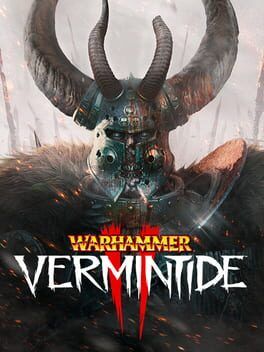
Fatshark’s classic Skaven-slayer is free to keep on Steam and the Reik river is back with a revamped map. Here is how new players in 2025 can get started, which careers and DLC are worth it, and how the co-op meta has evolved.
Warhammer: Vermintide 2 has pulled one of the best tricks an older co‑op game can in 2025: it has gone free to keep on Steam for a limited time and dropped a nostalgia-fueled map at the same time. If you grab it during the promo window, it is yours forever. No strings, just hordes of Skaven and Chaos.
On top of that giveaway, Fatshark has brought back a fan favorite location from the first game as a fully remastered mission: Return to the Reik. It is a love letter to the original Reik map, now rebuilt to take advantage of Vermintide 2’s more chaotic combat and co‑op systems, with a particular focus on riverboat sections and set piece brawls as you move from vessel to vessel.
This makes 2025 a surprisingly ideal time to hop into Vermintide 2 for the first time. There is years of balancing and DLC behind it, a mature meta, and a large veteran player base that is suddenly welcoming a flood of new recruits. Below is a practical guide that focuses on how to get started quickly, which careers are friendly and strong, which DLC is actually worth money on a free base game, and how today’s co‑op meta differs from launch.
How the Steam free‑to‑keep promo works
The current promotion is tied to Fatshark’s celebration of a decade of "Tide" games. Vermintide 2 is temporarily listed as free on Steam. If you add it to your account during the promo, you keep it permanently just like a purchased game. After the deadline, it returns to being a paid title, but anyone who claimed it keeps full access to all base content, including the return of the Reik map.
There is no catch beyond the limited window. You do not need a subscription, and the in‑game cash shop is limited to cosmetics. Core careers and gameplay systems are fully playable without paying a cent.
Once it is in your library, make sure you also enable automatic updates so you receive later balance patches and events, which still roll out periodically in 2025 as Fatshark supports both Vermintide 2 and Darktide.
Return to the Reik: what the revamped map actually adds
Return to the Reik is not just a visual remaster of a Vermintide 1 level. It has been reworked to fit Vermintide 2’s more varied enemy types and more aggressive special spawns. The most striking change is how much of the mission is now structured around boats.
You move along the Reik as a team, fending off hordes while confined to tight decks or shifting between vessels. Specials and elites can appear from multiple angles, and chaos warriors or stormvermin become much more threatening when there is nowhere to kite them. This magnifies the importance of crowd control, stagger and responsive ultimates.
For returning players, the Reik is a nostalgic tour that feels mechanically fresh. For new players, it is a showcase of what Vermintide 2 does best: forcing you to fight under pressure in spaces that would be trivial in a normal shooter, then demanding that each player’s kit covers different weaknesses.
You do not need any DLC to play Return to the Reik. It is part of the free update patch and shows up in the normal mission rotation once the game is updated.
Onboarding in 2025: settings and systems you should fix immediately
Vermintide 2 has accumulated quality‑of‑life improvements over the years, but for a first‑timer the amount of noise can still be overwhelming. Before you throw yourself at Champion or Legend, spend a little time on setup.
Start in the keep and walk through the tutorial prompts. The game teaches you block canceling and pushing, but it is worth consciously practicing the rhythm of "light attack, block, push, follow‑up" until it feels natural. Modern co‑op Vermintide is all about controlling density rather than just killing fast.
In the options, tweak these things before you get too far:
Set your field of view higher than default if your PC can handle it. More vertical and horizontal information makes it much easier to track flankers and specials in dense hordes. Lower mouse or stick sensitivity slightly from your usual shooter settings because you are tracking melee arcs instead of micro flick shots.
Turn on any aim assists or input smoothing you are comfortable with if you play with a controller, because precise block and dodge timing matters more than raw speed. Make sure subtitles and sound cues are enabled and audible. Audio telegraphs specials well, and veterans often react to sound before they even see a gutter runner or gas rat.
Once you finish the tutorial, stay on Recruit and Veteran difficulties while you learn enemy behaviors and maps. The modern meta expects you to know when to push, when to dodge and how to stagger elites. Those habits are much easier to form in lower pressure settings.
Which heroes and careers to start with
By 2025 Vermintide 2 has a lot of careers, and some are locked behind DLC. The base careers are still fully viable but certain ones are especially forgiving for new players.
For an easy on‑ramp, prioritize these base careers:
Markus Kruber’s Mercenary combines straightforward melee attacks with a powerful crowd control ultimate that knocks enemies away and grants temporary health for the team. He is hard to misplay and teaches you to stay in melee range without instantly melting.
Bardin Goreksson’s Ranger Veteran offers safe ranged pressure with bombs and ammo drops. He is not the highest DPS career in the meta, but he fills a utility slot and keeps your team supplied while giving you plenty of time to learn special priority and horde management.
Kerillian’s Waystalker is the defining “ranged carry” starter career. Homing arrows on her ultimate let you delete specials or elites on demand. The career encourages careful positioning and teaches you when to use your ranged pool versus conserving it for critical moments.
Sienna’s Battle Wizard is a strong introduction to overheat and area denial. Teleporting ultimates and wide area attacks let you correct positional mistakes and save the team from being surrounded. Overheat management is a central Vermintide 2 mechanic and Battle Wizard is one of the safest ways to learn it.
Saltzpyre’s Witch Hunter Captain is more finesse heavy, but his passive crit bonuses and tag system make him a very satisfying support‑DPS hybrid once you have the basics down. He synergizes well with nearly any team composition.
You do not need to master every hero. Pick one or two that feel right and level them to 30. The modern talent trees and item crafting systems are tuned around that milestone, and most co‑op lobbies on higher difficulties expect you to have access to level 30 talents.
How the co‑op meta has evolved since launch
At launch Vermintide 2’s meta heavily favored raw damage and cleave. Teams often ran dual ranged powerhouses to delete threats before they reached melee range. Over the years a series of balance passes, DLC careers and the Chaos Wastes roguelite mode have pushed the meta toward flexibility, stagger and utility.
Stagger has become a central pillar of high‑level play. Many talents and weapon traits now scale bonus damage based on whether enemies are staggered. This has lifted careers with strong crowd control into the top tier, while pure burst builds are more niche.
DLC careers have opened up off‑meta playstyles that are now considered core. Grail Knight Kruber brought an ultra‑aggressive melee juggernaut style with mission side objectives. Sister of the Thorn turned Kerillian into an elite crowd controller through walls of briars and support abilities. Outcast Engineer gave Bardin a mobile turret fantasy and a new way to anchor sightlines. Warrior Priest of Sigmar let Saltzpyre fill a bruiser support role capable of saving runs by keeping frontliners upright.
The Chaos Wastes mode has also altered player expectations. Because boons and random weapons can drastically change your power budget, high‑end players learned to adapt to whatever the game hands them. In regular adventure maps this translated into more creative builds and less rigid team compositions, though for the highest difficulties players still favor established synergies like Mercenary Kruber plus a support control career and at least one strong ranged special killer.
In 2025 a balanced team is usually built around one elite melee frontliner, one crowd control or tank‑style career, one focused special killer and one flexible support or ranged DPS. The game supports a lot of permutations, but if your pick fills one of those roles you will almost always be welcome.
The DLC that is actually worth it on a free base game
With Vermintide 2 going free, the DLC list can feel intimidating. The good news is that most content DLCs are cheap during sales and cosmetic packs are completely optional. If you want to spend money intelligently, focus on career DLC first, then on extra mission packs and Chaos Wastes expansions.
For careers, these are standouts in the current co‑op meta:
Grail Knight for Kruber remains one of the highest impact melee careers in the game. He gets strong talents, huge power spikes through quest objectives on each map and an ultimate that can delete elites or bosses. The playstyle is aggressive but straightforward and works on nearly every difficulty.
Sister of the Thorn for Kerillian redefines how you can control space. Her briar walls and support tools can completely shut down choke points or rescue teammates who are overwhelmed. In today’s meta she is valued for both control and team safety, especially on dense maps like the Reik and the most chaotic Chaos Wastes expeditions.
Outcast Engineer for Bardin is more niche but perfect if your group likes a defensive anchor. His crank gun provides sustained ranged suppression that melts hordes and bosses, though he needs a conscious playstyle built around setting up firing lines.
Warrior Priest of Sigmar for Saltzpyre turns him into a melee support bruiser. He trades ranged power for the ability to protect allies, soak hits and deliver powerful smites. In higher difficulties and deeds his ability to keep the front alive is invaluable.
You can succeed on all normal difficulties and even early Legend with base careers alone, but career DLC multiplies the variety and makes it much easier to slot into any random quickplay team.
On the map and expansion side, focus on:
Winds of Magic only if you want the Beastmen faction and Weaves mode. It is not mandatory for core co‑op play and is mostly interesting for completionists or players who want more endgame experiments.
The mission packs such as Shadows over Bögenhafen, Back to Ubersreik and later map bundles are better early buys. They add new levels to the adventure rotation, more challenges and more loot opportunities. Back to Ubersreik in particular is a nice thematic partner to Return to the Reik, reimagining Vermintide 1 classics with Vermintide 2 systems.
Chaos Wastes is free, so take advantage of it. It shifts the game into a roguelite expedition format where you stack boons and make route decisions together. Many veterans now treat Wastes runs as the primary endgame, and it is a great place to practice teamwork without memorizing fixed map scripts.
Practical build and gear advice for new players
Vermintide 2’s crafting has been smoothed out over time, but it is still tempting to overinvest in low level loot. Avoid that trap. Salvage most of what you pick up early and focus your resources on a couple of weapons you genuinely enjoy.
Once a career hits level 30 and you have power 300 items, start aiming for red (veteran) gear. The exact stat spreads and breakpoints are a deep rabbit hole, but you can live by a few simple priorities on nearly any career.
First, prioritize stamina and block cost reduction on at least one melee weapon so you can reliably control fights without your guard breaking. Second, pick properties that match your role. Frontliners benefit more from health, stamina and damage reduction, while ranged specialists want crit chance and power versus specific enemy types. Third, use your ultimates generously. Modern Vermintide 2 is balanced around frequent ultimate use to manage spikes.
Do not be afraid to copy popular builds from community hubs, then tweak them. Years of experimentation mean there are established templates for every career. Using them lets you focus on learning positioning and timing rather than reinventing the build wheel.
Co‑op etiquette and how to have good runs with veterans
A flood of new players from a free promo always changes lobby culture for a bit. Vermintide 2’s community in 2025 is smaller than at launch but deeply invested and generally helpful as long as you respect a few unwritten rules.
Communicate your experience level early. A simple note in chat that you are new and still learning is enough. Most veterans will gladly slow down, explain breakpoints or call out upcoming horde triggers.
Stick with the group. The modern meta punishes wandering off more than ever, with specials and disablers tuned to punish isolated players. If you are unsure where to go, follow the most experienced looking teammate and mirror their pacing.
Ping frequently and share pickups. Use the tag system to mark specials, elites and loot for your team. Do not hoard healing or bombs when you are already topped off, and listen when teammates suggest that a certain career should take a specific potion or tome.
Learn when to push and when to kite. Failing a map in 2025 is almost always about losing formation and letting hordes surround you. Watch how experienced players use corners, ledges and narrow chokes to cut down enemy density.
Finally, remember that even in the late meta Vermintide 2 is about barely surviving together. Wipes happen. Use each failure to identify what killed you, then adjust your build or approach. With years of polish behind it, the game rarely feels unfair once you understand what it expects.
Why Vermintide 2 is still worth your time in 2025
With the Steam free‑to‑keep promo and the return of the Reik, Vermintide 2 feels more like a complete co‑op package than ever. You get a long campaign, a pile of hand crafted missions, the Chaos Wastes expedition mode and a wealth of careers that all play differently enough to stay fresh for hundreds of hours.
The modern co‑op meta leans toward flexible, synergistic teams rather than rigid compositions. Balance passes and new careers have kept most options viable at normal difficulty ranges, while giving dedicated players plenty of depth to chase on Legend and Cataclysm. It is a game that has grown into its best self over time, and 2025 is arguably its most welcoming moment for newcomers.
If Vermintide 2 is sitting in your Steam library because of the giveaway, it is worth installing and sticking with beyond the tutorial. Grab a friend or roll the dice in quickplay, pick a forgiving career like Mercenary Kruber or Waystalker Kerillian, and let the Reik river baptize you in the chaos that has made this one of the best melee co‑op games of the last decade.