
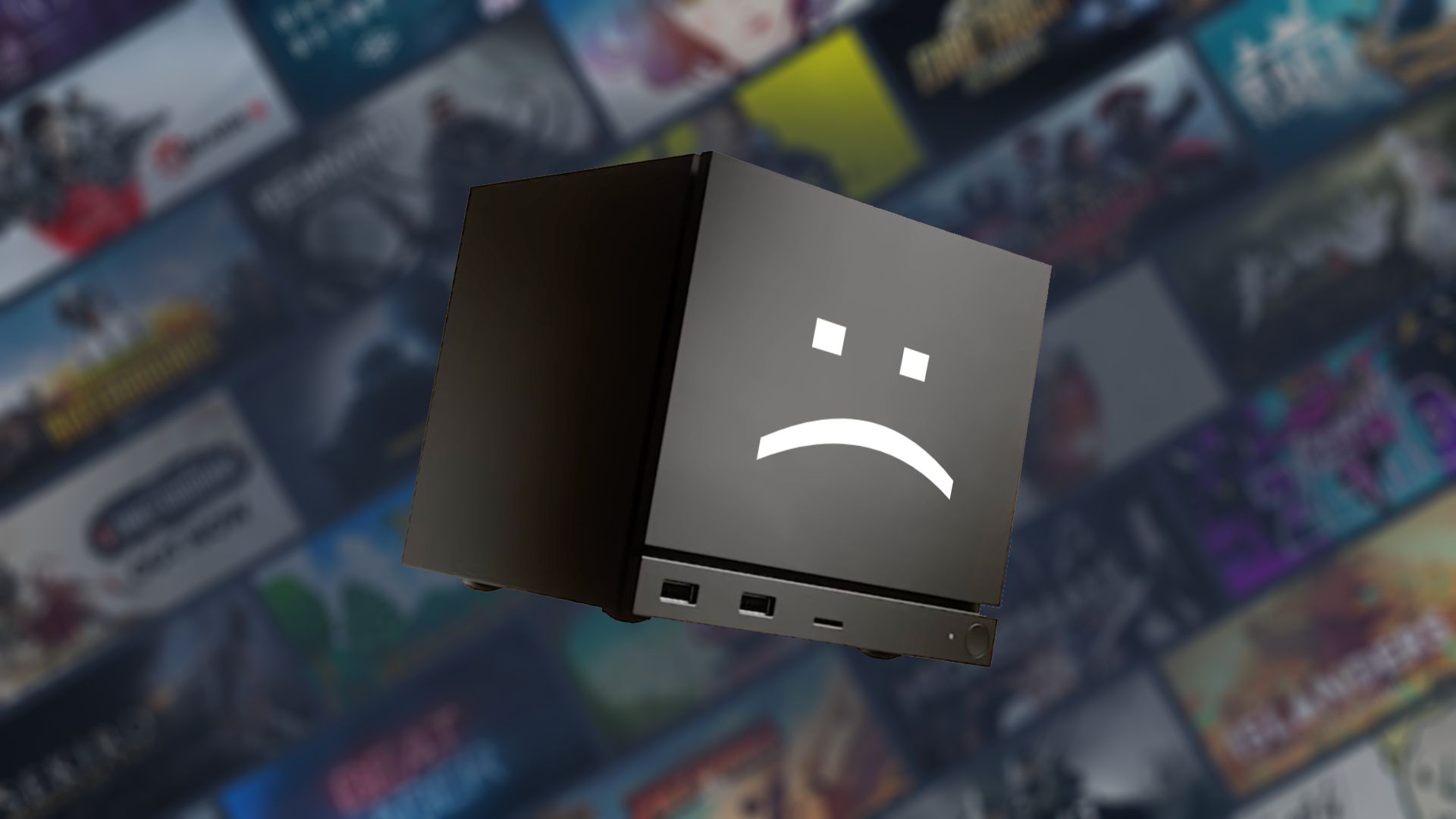

Valve engineers say memory pricing is still worsening, raising new questions about Steam Machine cost, PC gaming hardware prices, and handheld buying decisions in 2026.
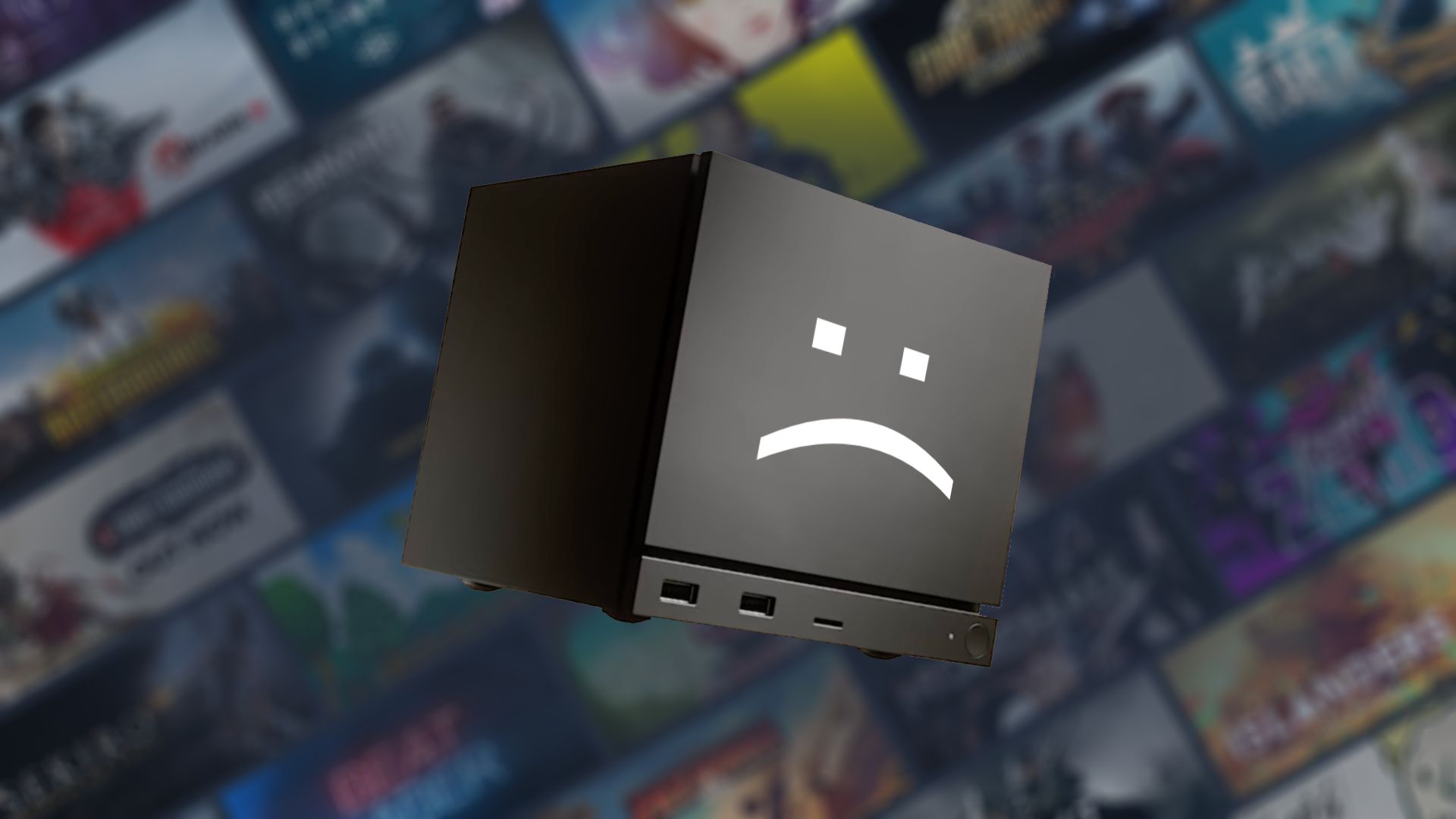
Image: gamesradar.com
Valve says the memory fight is still moving against hardware makers
Valve’s latest warning is the clearest sign yet that the Steam Machine’s high launch price may not be the final shock of the 2026 hardware cycle. In an interview with Bloomberg cited by Kotaku and PC Gamer, Valve engineers Yazan Aldehayyat and Pierre-Loup Griffais said the company is still seeing memory supply pressure worsen behind the scenes, even as retail buyers are only beginning to feel the hit.
Aldehayyat told Bloomberg, according to Kotaku, that Valve knew sourcing components would be difficult, but that “the extent was beyond anything we actually expected.” He then added the line that cuts through the noise around Steam Machine cost: “Honestly, it’s still getting worse.”
That matters because Valve is not describing a temporary shelf-stock wobble. Aldehayyat said the prices consumers see at retail are, from Valve’s observations, lagging bulk supply conditions by “at least three to six months,” according to Kotaku. In plain terms, the RAM and storage prices PC builders see today may be a delayed echo of deals negotiated months earlier. If Valve’s read is accurate, the next wave of visible PC gaming hardware prices could reflect a harsher market than buyers currently see.
The tension is immediate. The Steam Machine has already launched at $1,049 in the US and £879 in the UK for the 512GB model, according to the BBC, after Valve said in a blog post that its original price goal was “no longer viable” because of rising hardware costs. If memory pricing is still climbing upstream, Valve’s living-room PC enters the market while one of its most important cost lines is still in motion.
The Steam Machine price was already rebuilt around component costs
The confirmed Steam Machine pricing gives Valve’s warning a concrete shape. The BBC reported that the 512GB Steam Machine launched at £879 in the UK and $1,049 in the US. The same report said the 2TB version costs £1,149 in the UK, while The Verge reported US pricing of $1,349 for the 2TB model. Those prices do not include a bundled controller in The Verge’s cited US figures. The BBC reported UK bundles at £938 for the 512GB model with a Steam Controller and £1,208 for the 2TB model with a controller.
Valve’s own explanation, as quoted by the BBC from the company’s blog post, is that its assumptions changed after it began sourcing Steam Machine components in 2023. Valve said it initially relied on years of PC hardware pricing history, where components generally became cheaper as new technology arrived. “Over the past year or so, that has changed quickly and significantly, most visibly for RAM and storage components,” Valve said, according to the BBC.
That is the confirmed chain: Valve planned around a more normal PC component curve, memory and storage costs broke that model, and the Steam Machine shipped at a higher price than Valve previously expected. Ampere Analysis’ Piers Harding-Rolls told the BBC the research firm had estimated a starting price between $700 and $800, and said rising costs meant Valve had been unable to reach a more accessible consumer price point. He also said the Steam Machine’s price, at around 75% higher than a PS5 console, would cement it as a “niche offering.”
That niche status is the commercial danger. Steam Machine is a compact gaming PC running SteamOS, positioned for the living room, but its price now lands closer to enthusiast hardware than console hardware. The machine has to win on the PC side of the equation: Steam libraries, flexible settings, cheaper software over time, modding where supported, and a console-style interface. Valve’s memory warning makes that sales pitch harder because the hardware price may be the part least under Valve’s control.
Retail RAM prices may be behind the real supply battle
Valve’s most useful new detail is the gap between retail prices and bulk supply. PC builders tend to judge the market by what a 16GB or 32GB kit costs at checkout. Valve is judging it by what suppliers offer a hardware maker trying to build thousands of finished systems. According to Kotaku’s account of the Bloomberg interview, Aldehayyat said retail shelves are lagging bulk memory conditions by three to six months.
That lag changes how buyers should read today’s prices. If a RAM kit or SSD already looks expensive, Valve is saying the upstream market it sees has moved further ahead. If a retailer still has older inventory, the visible price may not capture the next replacement batch. This is not a guarantee that every listing will rise in a straight line, and the sources do not provide a precise forecast for every region or memory type. It is, however, a direct warning from a company actively trying to source parts for its own gaming hardware.
The Verge’s June reporting on Valve’s Gamers Nexus interview shows how rough those negotiations have become. Asked whether Valve could lock in memory contracts directly, Griffais said, “Look, there’s no contracts. There’s nothing.” He described suppliers giving Valve a price “every month or something” and saying the company could buy a certain quantity on a yes-or-no basis. “And if we say no, then they never talk to us again,” he said, according to The Verge’s transcript of the interview.
The same Verge report noted that memory supply is concentrated among a few major vendors, including Samsung, Micron, and SK Hynix. That does not prove those companies are acting in concert, and the source material does not claim that. It does underline Valve’s limited leverage. When the supply chain becomes a narrow corridor, even a company that owns Steam does not get to dictate the rhythm.
Steam Machine hardware is being designed around scarcity, not abundance
The Steam Machine cost conversation is often framed around the headline price, but the supply constraint reaches into the build itself. Griffais told Bloomberg, according to Kotaku, “We’re basically building everything we can get our hands on,” adding that Valve is “limited by memory capacity, for sure.” That is not the language of a company simply choosing a premium price. It is the language of production capped by parts availability.
The Verge also reported a smaller but telling design detail from Valve’s Gamers Nexus interview: Steam Machines may ship with either one 16GB RAM stick or two 8GB sticks, depending on “the supply that we can secure,” as Griffais put it. The source material does not say that this changes user-facing performance, and we should not assume it does without testing. But it does show that Valve is building flexibility into manufacturing because consistent memory sourcing cannot be taken for granted.
That flexibility can be smart engineering. It can also complicate buyer confidence if Valve does not communicate clearly. PC players are unusually sensitive to component configurations because memory channels, upgrade paths, storage capacity, and thermals can affect how a system ages. Valve has already built trust with Steam Deck by making a PC-like device feel approachable, but Steam Machine is entering a more expensive tier where buyers ask sharper questions.
The most important unanswered questions are practical ones. Will future Steam Machine batches keep the same price, rise, or fluctuate by region? Will Valve revise configurations if memory supply tightens further? Will replacement parts and upgrade guidance be clear for buyers who want to treat the Steam Machine like a PC rather than a sealed console? The provided sources confirm pressure and pricing, but Valve has not announced a future price change in the material provided.
PC builders should treat 2026 memory prices as an active risk
For PC builders, Valve’s comments land like a warning flare before the next arena fight. The company is saying the enemy is already further into the room than the average buyer can see. If retail pricing trails bulk supply by three to six months, then waiting for the market to cool may be a gamble rather than a plan.
That does not mean every player should panic-buy RAM or SSDs. The sources do not support a blanket claim that all memory prices will rise by the same amount, or that every build should be rushed. A budget builder with a working PC can still wait if the alternative is overpaying for parts they do not need. But anyone planning a 2026 upgrade around RAM, storage, or a prebuilt gaming PC should price the system as a whole, then watch how quickly those quotes change.
The Verge reported that the crunch is already forcing significant pricing changes across hardware makers, and cited price moves or warnings involving Lenovo, Microsoft, and Apple. The BBC similarly placed Valve’s Steam Machine pricing inside a broader device-market pattern, noting that RAM has shot up because of demand, especially from AI data centers. That broader context matters because a gaming PC does not compete for memory in a gaming-only market. It competes with phones, laptops, servers, and AI infrastructure.
The buyer guidance is uncomfortable but simple. If RAM or storage is the final missing piece for a near-term build, it may be worth locking in a fair current price rather than waiting for the perfect sale. If the entire build is optional, waiting still has value, especially if GPU, CPU, and display deals matter more to your budget. Valve’s warning should make builders less confident about old assumptions, especially the familiar belief that memory always gets cheaper if you wait long enough.
Handheld buyers are watching the same component meter
Steam Deck owners and handheld shoppers are part of this story because memory and storage costs do not stop at the living room. The BBC reported that Valve had earlier raised prices of its Steam Deck handheld by 40% due to similar expenses. The Verge also reported that the wider RAM crunch has affected other hardware makers, including handheld-adjacent PC devices such as Lenovo’s Legion Go S through pricing changes.
That puts 2026 handheld buying in a different light. A handheld PC lives or dies by balance: APU performance, battery life, display quality, RAM capacity, storage, cooling, and price. If memory and storage costs rise while makers try to keep devices within a psychologically acceptable range, something else may have to give. The source material does not say Valve or any other handheld maker will cut specs in future models. It does support the broader point that companies are already reacting to higher component costs through price changes.
For a buyer choosing between a Steam Deck, a Windows handheld, and waiting for a next revision, the memory price crisis adds timing pressure. If a current model has the storage and RAM you need at a price you can accept, waiting for a cheaper refresh is less certain than it would be in a normal component cycle. If you need a major performance jump, waiting may still be right, but the next model may not arrive with the usual discount curve.
The clearest practical distinction is between need and upgrade appetite. Players who want a handheld for travel, indies, older action games, or streaming can make a decision around current prices and known performance. Players hoping for a near-term spec leap at the same or lower price should read Valve’s comments as a caution: component gravity is pulling in the wrong direction.
Valve’s 2026 hardware push now depends on trust as much as specs
Steam Machine was always going to be judged against two different rivals. Against consoles, it looks expensive. Against gaming PCs, it has to justify itself through convenience, SteamOS integration, compact design, and Valve’s ecosystem. The memory price crisis makes that fight more cinematic, but less clean: the hero machine enters the set-piece carrying a cost wound it did not fully choose.
The confirmed facts are stark enough without embellishment. Valve launched the 512GB Steam Machine at $1,049 in the US and £879 in the UK, according to the BBC. Valve said its original price goal was no longer viable because hardware costs changed quickly, especially RAM and storage. Valve engineers have since said sourcing is still getting worse, retail prices may lag bulk supply by three to six months, and production is limited by memory capacity, according to Kotaku’s report on the Bloomberg interview. Griffais separately described memory negotiations to Gamers Nexus, as transcribed by The Verge, as a monthly take-it-or-leave-it process without stable contracts.
The interpretation is where buyers need care. Those statements do not confirm an incoming Steam Machine price hike. They do not prove that every RAM kit, SSD, handheld, or prebuilt PC will become more expensive at the same pace. They do show that one of the most important companies in PC gaming believes the crisis is still worsening upstream.
For Steam Machine watchers, the smart move is to judge the device against today’s price rather than a hoped-for quick discount. For PC builders, memory and storage should be treated as volatile line items. For handheld buyers, 2026 may reward decisive purchases when a device fits your needs, while punishing anyone counting on the old rule that time automatically makes every component cheaper. Valve’s warning does not end the fight. It tells players the next phase has already started before the retail shelf catches up.