
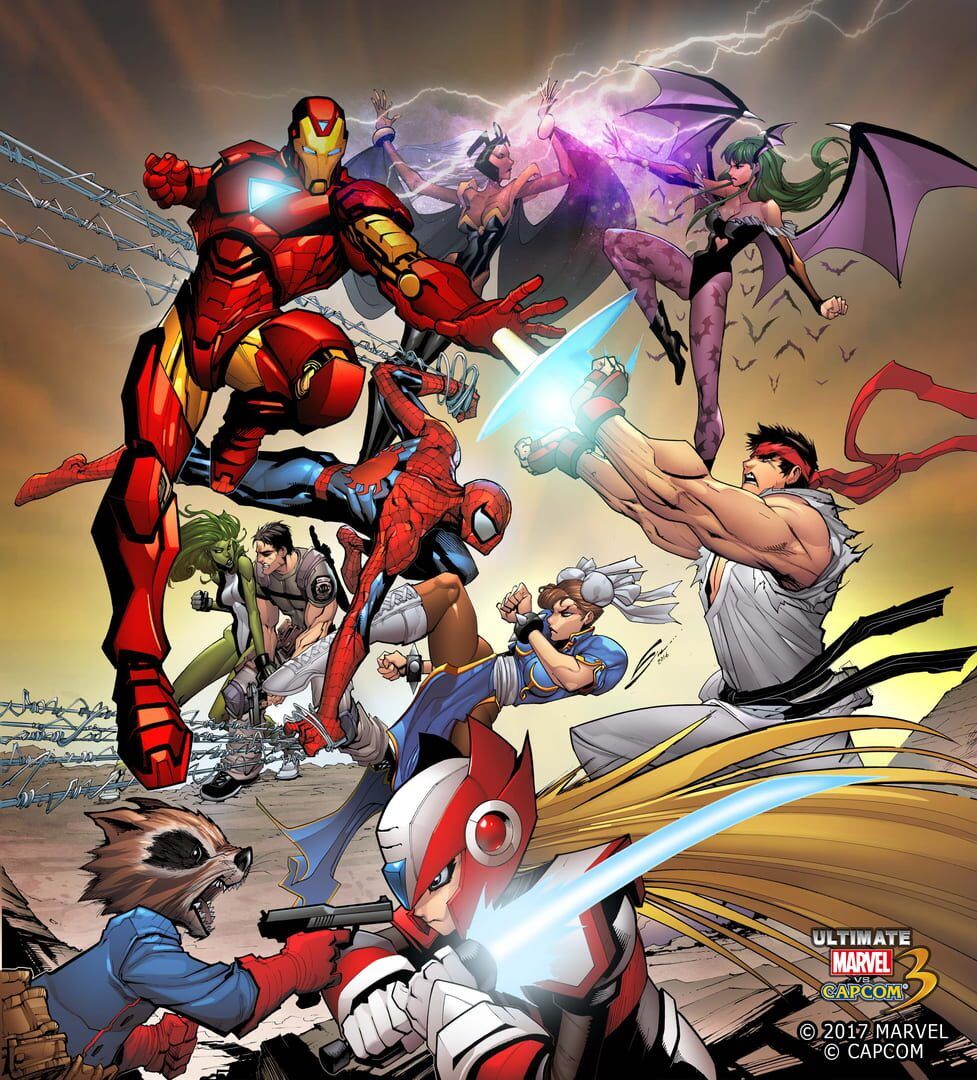
Capcom’s first big PC update for Ultimate Marvel vs. Capcom 3 in years was supposed to modernize a classic. Instead it broke Phoenix, shattered mods, and sparked a fresh debate about how to support legacy fighting games without erasing the communities that keep them alive.
Capcom quietly pushed a new patch to the Steam version of Ultimate Marvel vs. Capcom 3 this week, the first substantial update the PC port has seen in years. On paper it sounded mundane: verified Windows 11 support and some miscellaneous bug fixes for a 3v3 tag fighter that originally hit consoles in 2011.
In practice, the update has thrown one of the game’s most iconic characters into disarray, broken years of modding work, and stirred up an old but important question for the fighting game community: what does good support for a legacy title actually look like?
A tiny patch that hit the heart of the meta
UMvC3’s June 2026 Steam patch clocks in at just a few megabytes and reads like routine maintenance in the official notes. Behind those bland lines sits a competitive earthquake. Jean Grey, better known as Phoenix, can no longer reliably access Dark Phoenix, the mode that defines her entire gameplan.
Before the patch, Phoenix was a glass cannon built around a single, terrifying pivot. You spent the match feeding her meter, protecting her as an anchor, and angling for that magic five bars. Once she died with a full tank, she would resurrect as Dark Phoenix, flooding the screen with fireballs, traps, and chip damage that could delete full teams in seconds.
After the update, players began posting clips of Phoenix simply dying at KO even with five bars stocked. No flames, no resurrection, just a regular K.O. that leaves her team down a character. For a roster built around extreme archetypes, flipping that switch effectively rewrites her place in the game.
For tournament players, this does not feel like a minor glitch. Phoenix is not some fringe pick. She has anchored top‑level teams for over a decade and shaped how opponents manage meter, assists, and incoming mixups. Removing Dark Phoenix turns every Phoenix‑based team into a fundamentally different composition overnight.
When “bug fixes” erase tech
The patch does more than break Phoenix. It also quietly shaves off part of UMvC3’s accumulated tech in the name of stability.
One high‑profile casualty is the so‑called Kubota escape, a strange but beloved interaction that let players avoid certain incoming mixups using specific moves during a hard‑tag situation. It started life as a bug and eventually became accepted knowledge, woven into routing and defensive decision‑making on both sides of the screen.
According to community reports highlighted in coverage of the patch, that option simply no longer works the same way. While this might look like a textbook fix from a QA standpoint, in practice it removes a defensive wrinkle that players have spent years labbing around. UMvC3 is a game of extreme, often oppressive offense. Losing a niche escape tool can shift the balance toward even more one‑player sequences.
The frustration is not just “our toy is gone.” It is that long‑standing competitive tech, some of which is core to how matchups play out, has been changed without targeted communication from Capcom. At the same time, other long‑known issues, such as bugs tied to Frank West’s item interactions, remain conspicuously untouched. The priorities behind the patch feel opaque.
The collateral damage: mods
Away from main‑line tournament play, UMvC3 has thrived on PC because of its mod scene. Character swaps, moveset experiments, UI overhauls, full “Community Edition” packs that fold in balance tweaks and new content, all have kept the game moving long after official support went quiet.
The new patch has disrupted that ecosystem in a single stroke. Changes to executable and file structure have left many popular mods nonfunctional or unstable. Players returning to the game after hearing about the update are launching it to find missing characters, broken stages, or crashes where their carefully curated mod setups used to be.
That fallout stings especially hard because modders are the ones who have effectively acted as the game’s support team for years. They have fixed visual glitches, modernized UI elements, experimented with netplay helpers, and even attempted their own rebalancing of the wildly uneven roster. Undoing that work without any official migration path or compatibility guidelines feels like a betrayal of that unpaid labor.
Community reaction: hype, confusion, then anger
When players first noticed the small Steam download, the initial reaction was curiosity and cautious excitement. A Capcom patch for a 2011 fighter in 2026 is not an everyday event. Some hoped for rollback netcode. Others half‑joked about stealth balance changes.
As the reports of Dark Phoenix failures, missing Kubota escapes, and broken mods began to pile up on social media and Steam forums, the tone shifted fast. Tournament organizers started asking whether they should freeze their setups on older versions. Lab monsters rushed to test edge cases, clip evidence, and spread workarounds. Casual players discovered that their favorite character skins or Community Edition builds no longer booted.
What might have been celebrated as a welcome bit of maintenance instead became a flashpoint. Eurogamer and other outlets picked up the story, magnifying community complaints about broken mechanics and a lack of clear messaging. Capcom’s patch notes, focused on Windows 11 verification and generic bug fixes, felt disconnected from what players actually care about.
The throughline in most reactions is not outrage that a 15‑year‑old game got updated. It is frustration that when Capcom finally did return to UMvC3, the studio appears to have done so without fully accounting for how the game is played, studied, and modded in 2026.
Why this matters for competitive play
UMvC3’s competitive scene might not dominate modern tournament lineups like Street Fighter 6 or Guilty Gear Strive, but it still anchors side brackets and specialty events. Its chaotic mixups, touch‑of‑death combos, and Marvel spectacle remain a draw on Twitch. For that niche but dedicated audience, stability is everything.
Breaking Dark Phoenix undermines trust in the consistency of tournament matches. Players that have built entire team shells around Phoenix must ask if they can risk her on the latest Steam version. Organizers must decide whether to roll back to pre‑patch builds for majors or hope that a hotfix arrives before their event. Even online exhibitions now require a conversation about what version of the game is being used and whether certain characters are effectively banned by bug.
The changes also poke at a deeper question of authorship. After more than a decade of exploration, the “real” UMvC3 is not just the disc code Capcom shipped. It is the accreted layers of discovered tech, community norms, and mod‑based quality‑of‑life changes that have defined how people actually play it. An official patch that erases pieces of that without consultation feels less like support and more like erasure.
Legacy support in the rollback era
Zooming out, the UMvC3 update lands in a fighting game industry that has learned a lot about post‑launch support. Modern titles tend to communicate balance passes in painstaking detail. Rollback netcode, input delay, and platform parity get discussed in patch notes and developer streams. When a major mechanic is touched, it rarely happens in silence.
Legacy games are trickier. Publishers want to keep their back catalog running smoothly on new operating systems and storefronts. Anti‑cheat or licensing changes can force updates long after a title is “finished.” But for games like UMvC3, which have thriving grassroots scenes and mod cultures, those updates are not happening in a vacuum.
Good legacy support requires acknowledging that the community has effectively taken co‑ownership of the game. That means:
Clear, detailed patch notes that acknowledge gameplay‑relevant changes.
Communication about technical reasons for disruptive updates, especially if they might impact mods.
Willingness to hotfix critical competitive issues in a timely way.
Without those steps, even well‑intentioned maintenance can feel like a publisher barging into a house the community has been renovating for a decade.
A fragile miracle worth protecting
Ultimate Marvel vs. Capcom 3 is a minor miracle of a licensed fighter that survived contract disputes and delistings to find new life on modern platforms. The fact that tournaments still run it and modders still build for it in 2026 is a testament to how strongly its wild, broken brilliance resonates.
That is why this Steam patch matters so much more than the bland notes suggest. It shows how fragile a legacy game’s ecosystem can be when official support returns without a deep understanding of how and why it is still loved. Phoenix losing access to Dark Phoenix is not just a bug. It is a symbol of that disconnect.
If anything good comes from the backlash, it will be a renewed conversation about how publishers handle updates for their older fighters. UMvC3 does not need sweeping reworks or character overhauls. It needs respect for the competitive and creative communities that have kept it alive, and careful, transparent patching when technical realities truly force change.
Until then, Phoenix players on PC will be staring at their meter and wondering if their comeback mechanic, and their character, will ever quite work the same way again.