
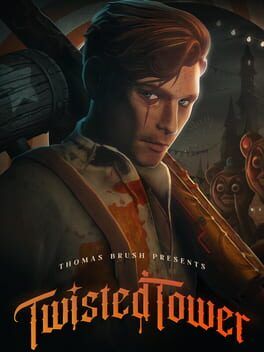

Twisted Tower launches on Steam August 18, with a beta signup available through Steam Request Access. Here is what the haunted theme park FPS is promising and what remains unannounced.
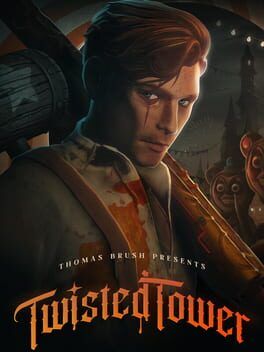
Image: IGDB
Store links: Twisted Tower on Steam, Cursed Fables: Twisted Tower on Steam
Twisted Tower has a Steam date, and a beta door is still open
Twisted Tower will launch for PC via Steam on August 18, according to announcements attributed by MonsterVine, Gematsu, and MSN to publisher 3D Realms and developer Atmos Games. That gives this indie shooter 2026 contender a defined runway after several years of premise-building around a haunted 1950s attraction, corrupted mascots, and fast first-person combat.
The immediate tension is that the Twisted Tower Steam presence is doing two jobs at once. The game now has a firm launch date, while AlphaBetaGamer is also pointing players to a Twisted Tower beta signup through Steam by clicking “Request Access.” That does not confirm how large the beta is, when access will be granted, whether it covers the full game or a slice of it, or whether progress carries into launch. It does confirm that the pre-release funnel is happening directly through Steam rather than a separate form, at least according to AlphaBetaGamer’s listing.
For players tracking the Twisted Tower release date, the practical answer is simple: August 18 on PC via Steam is the announced launch. For players curious enough to test the game before then, the current route is the Steam page connected to app 1575990, which MonsterVine and AlphaBetaGamer both link for Twisted Tower. Gematsu’s article, meanwhile, links to a separate Steam demo app URL, which may reflect the way Steam listings are split between demos, playtests, and main store pages. The provided sources do not clarify that split, so the safest reader guidance is to search Twisted Tower on Steam, wishlist the main game, and use any visible Request Access prompt if it appears on the store page.
The haunted attraction pitch is unusually legible
The clearest appeal of Twisted Tower is how quickly its setting communicates rules. 3D Realms’ overview, quoted by Gematsu, describes an action-adventure first-person shooter set in an abandoned 1950s theme park, where players fight corrupted fairy-tale mascots, survive traps and puzzles, and climb toward the top of the tower to uncover secrets from the past. MonsterVine reports the same core setup, adding that the tower’s spaces include a hotel, waterpark, clown casino, carnival forest, and space station.
That lineup matters because each area sounds built around a readable attraction fantasy rather than generic shooter rooms. A hotel can sell unease through corridors and locked-off service spaces. A waterpark suggests slippery spectacle and environmental hazards. A clown casino gives the art team permission to make everything loud, predatory, and rigged. A carnival forest turns the outdoor family attraction into a place where navigation can be strange. A space station, placed inside a tower resort, pushes the whole thing from period horror into theatrical absurdity.
The BioShock comparison appears across the coverage, but it should be treated as a stated influence and marketing shorthand rather than proof of systemic depth. Gematsu quotes 3D Realms describing the game as splicing Disneyland and BioShock together, while TechTimes frames it as channeling BioShock DNA. The confirmed material supports the aesthetic comparison: a collapsed leisure utopia, dark humor, themed spaces, and weapon-driven first-person combat. It does not yet prove how close Twisted Tower gets to BioShock’s immersive-sim lineage, encounter design, or environmental storytelling.
Toy weapons are doing the tonal heavy lifting
Twisted Tower’s arsenal is where the haunted theme park concept turns from backdrop into play. MonsterVine reports weapons such as a whack-a-mole mallet, rubber-band pistol, dart-firing Tommy Gun, shotgun, chain-gun, sniper slingshot, ray gun, and more. Gematsu’s 3D Realms overview gets more specific and sillier, naming a fartin’ shotgun, bubblegum-spittin’ chain-gun, and skull-poppin’ ray gun among the upgradeable tools.
That is the sort of weapon list that can make or break a small shooter. On paper, the appeal is not military authenticity. It is impact, timing, enemy reaction, and whether each toy concept has a distinct combat role. A rubber-band pistol needs snap. A mallet needs physical comedy and reliable close-range risk. A dart Tommy Gun has to feel readable under pressure. If those tools are merely jokes with damage numbers, the theme wears thin. If they have strong feedback, they can give Twisted Tower the kind of instantly memorable identity that helps indie shooters stand out in a crowded Steam calendar.
The beta signup is relevant here because this is the kind of game that benefits from hands-on friction testing. The sources confirm fast, hard-hitting, bloody combat against mascots, but they do not provide independent impressions from a current build. AlphaBetaGamer describes punchy combat and unique paths, while TechTimes says demo players had reacted to the game’s BioShock-in-a-haunted-carnival premise, but those claims are still coverage descriptions rather than a scored review. Players should read the beta as a chance to sample feel, pacing, and clarity, not as confirmation that the launch build has already solved every balancing question.
Movement toys point toward replay value, not a straight haunted house
Atmos Games is also pitching Twisted Tower as a climb with multiple routes rather than a single corridor of scares. MonsterVine reports that collectible toys unlock movement options such as jumping, dashing, and grappling. Gematsu’s 3D Realms overview says players can collect bizarre toys to unlock new ways to jump, dash, and grapple up the tower, and choose from unique paths on new playthroughs.
That is the detail that most interests me as an indie and platformer obsessive. A haunted attraction shooter can coast for a few minutes on scenery, but replayable routes and movement unlocks create a different promise: the tower should become a space you learn, cut through, and re-approach. If the branching paths are meaningful, later runs could let players skip hazards, find alternate combat angles, or use mobility tools to make the resort feel less like a ride and more like a layered play space.
The open question is scale. The sources confirm five major areas and multiple paths, but they do not state campaign length, number of routes, upgrade depth, difficulty options, or whether replayability is structured through roguelite-style variation, optional route choice, or authored branches. The phrase “each playthrough” appears in AlphaBetaGamer’s description and 3D Realms’ overview via Gematsu, but none of the provided material confirms procedural generation. Until Atmos or 3D Realms defines that structure more precisely, players should expect replayable authored paths rather than assume a randomized tower.
Atmos Games brings story credibility, but FPS polish is the pressure point
Twisted Tower is developed by Atmos Games, the studio led by Thomas Brush, whose earlier work includes Pinstripe and Neversong, according to MonsterVine and Gematsu. That background is useful context because those titles are associated with moody, character-driven indie craft rather than large-scale shooter spectacle. Twisted Tower appears to keep the emotional hook: AlphaBetaGamer says the player races to the top to save the love of their life, while Gematsu’s quoted overview says the goal is to save that person at the top of the tower.
TechTimes adds a more specific framing, reporting that the game is a Unity-based horror FPS and that Brush spent nearly five years building it in solo development. Since that detail is not repeated in the other provided sources, it should be attributed carefully rather than treated as broadly confirmed by the announcement copy. If accurate, it makes the project more fascinating and more vulnerable. A solo-led shooter with themed zones, weapon upgrades, enemy variety, traversal toys, puzzles, and replay paths carries a lot of systems weight.
That is where player expectations should stay grounded. The premise is vivid, and the pedigree suggests confidence with tone, melancholy, and strange worlds. The risk is tactile. First-person shooters live in millisecond decisions: reload cadence, enemy tells, hit confirmation, arena layout, movement forgiveness, and how often a gag weapon remains fun after its first punchline. The Twisted Tower beta signup may be valuable for exactly that reason. It can put the most fragile parts of the design in front of players before the August 18 Steam launch.
What is confirmed, what is missing, and who should watch this closely
Confirmed: Twisted Tower launches August 18 for PC via Steam, based on the publisher and developer announcement reported by MonsterVine, Gematsu, and MSN. Confirmed through AlphaBetaGamer’s beta listing: players can pursue access through Steam by using “Request Access” on the Twisted Tower page. Confirmed by the announcement materials: the game is an action-adventure FPS set in an abandoned 1950s resort, with corrupted mascots, traps, puzzles, five themed areas, toy-like weapons, movement toys, upgrades, and multiple paths.
Still unannounced in the provided sources: price, exact launch time, system requirements, Steam Deck status, console versions, beta schedule, beta content, review embargo timing, supported languages, accessibility options, and whether any demo or playtest progress transfers to the final release. The Steam Community source provided here surfaces general Steam navigation rather than useful community posts or developer updates, so there is no supported claim to make about active discussion volume from that page.
The audience fit is clearer than the business details. If you like shooters that treat setting as a mechanical toybox, Twisted Tower is worth wishlisting and possibly testing through the beta request. If you are mainly looking for a polished, big-budget BioShock successor, the smarter move is to wait for launch impressions, because the sources describe influence and vibe rather than proven production scale. If you follow small games for craft, risk, and weirdness, Twisted Tower August 18 is one of those dates to circle because its best ideas are easy to understand and hard to execute. That gap between pitch and feel is exactly where this release will be judged.