

IMC Games has opened Tree of Savior M global pre-registration on Google Play, the App Store, and Steam wishlisting, with milestone rewards, Discord bonuses, and a still-unannounced launch date.

Image: IGDB
Global pre-registration is live, but the launch date is still missing
IMC Games has opened global pre-registration for Tree of Savior M, putting the cross-platform MMORPG in front of PC and mobile players worldwide before a launch date has been announced. According to coverage from Pocket Gamer, MMO Bomb, MMOHuts, Inven Global, Enduins, and Tbreak, players can now sign up through Google Play and the Apple App Store, while PC players can wishlist the game on Steam.
That distinction matters. The campaign is being presented as a shared global pre-registration push, but the PC route currently runs through Steam wishlisting rather than a conventional account sign-up. Tbreak specifically notes that Steam is a wishlist, not a sign-up, even though the campaign total counts Steam wishlists alongside mobile pre-registrations. For players tracking Tree of Savior M pre-registration because they want a day-one PC client, the confirmed action today is simple: wishlist on Steam, or pre-register on the mobile storefronts.
The immediate tension is timing. Multiple reports cite IMC Games saying the global launch date will be announced later. Inven Global, citing a release dated November 17, says the game will come “later,” while MMOHuts also reports that launch timing remains unannounced. So this is a registration campaign with tangible reward tiers, confirmed platforms, and an official global site, but without the final practical detail many MMO players need before committing guild plans, device space, or launch-week time.
PC, iOS, and Android are confirmed for the global version
The supported platform picture is clearer than the release window. IMC Games is positioning Tree of Savior M as a PC and mobile cross-platform MMORPG. Inven Global lists Google Play, the App Store, and Steam links for the global campaign, and Enduins reports that players worldwide can sign up on Google Play and the Apple App Store or wishlist the game on Steam. Pocket Gamer similarly describes Tree of Savior M as coming to iOS and Android, while MMO Bomb and MMOHuts both frame the new global version around PC and mobile access.
The sources do not confirm console versions, controller support, system requirements, global server structure, cross-progression, or whether mobile and PC players will share the same servers. Those are key MMO launch questions, especially for a game built around long-term character growth and companion upgrading. At this stage, the confirmed Tree of Savior M PC mobile story is availability through Steam wishlisting and mobile store pre-registration, not a full technical rollout plan.
For practical purposes, players who want to avoid missing launch rewards should use the platform they expect to play on first. Mobile users can register through their store page. PC players should wishlist on Steam. If IMC later clarifies account linking or cross-save details, that will determine whether platform choice at pre-registration has any long-term consequence beyond storefront notifications and reward eligibility.
The reward campaign is built around shared milestones
The Tree of Savior M rewards campaign is being handled through a shared milestone count that combines Steam wishlists with mobile pre-registrations. MMOHuts reports that rewards will be delivered through the in-game mailbox after launch, and Tbreak lists the same staged reward structure from the official pre-registration page.
At 10,000 total sign-ups, players unlock the Child of Wood Armband and Launch Celebration Emoji Pack. At 30,000, the campaign adds the Child of Wood Beret and the Posture – ZzZz reward. At 50,000, the unlocks are the Child of Wood School Bag and Rolopanther Sub-Weapon Selection Box. At 100,000, players get the Child of Wood Costume and a three-day Savior Token. The final listed milestone, 200,000, unlocks UR Kupole: Little Laima and a Blessed Light of Saule Voucher.
The structure is familiar MMO launch psychology: cosmetic identity first, then convenience and progression-adjacent items, then a companion-tier reward at the top. The most progression-relevant name here is Little Laima, because Inven Global and Enduins both describe Kupoles as small allies that grant blessings and say collecting and upgrading rare companions is central to progression. That does not confirm Little Laima’s strength in the global build, but it does make the 200,000 milestone more meaningful than a purely cosmetic capstone.
IMC is also running extra community events. MMOHuts and Inven Global report that joining the official Discord grants a Sprout Hair Accessory and a Chick Mount. The official social media mission event covers Facebook, YouTube, and X, with Dawn-themed cosmetics tied to those missions and the Herald of Dawn title awarded for completing all three. Tbreak adds specific social goals listed on the campaign page: 300 likes and comments on Facebook, 500 comments on YouTube, and 300 reposts on X. Event schedules and participation rules are being directed to the official pre-registration site and Discord.
Tree of Savior M is selling progression as much as nostalgia
The pull of the Tree of Savior name comes from a specific RPG promise: ornate classes, bright hand-drawn spaces, fast monster clearing, and a world that treats divine absence as the starting wound. The global version is being developed by IMC Games, the team behind the original PC MMORPG Tree of Savior, according to Inven Global and Enduins. MMOHuts reports that Tree of Savior M is based on the same world as the PC MMORPG.
The story setup has been consistent across reports. Pocket Gamer says Tree of Savior M takes place in a fantasy world where the patron goddess has vanished, with players guided by divine visions to protect the world and its people. MMO Bomb, Inven Global, Enduins, and Tbreak describe a world thrown into chaos after the disappearance of the goddesses, sending players on a divine quest. That premise is doing useful MMO work. It gives the player a reason to travel through towns, forests, ruins, and combat zones while placing divine relics, blessings, and companion systems inside the fiction rather than beside it.
For build-minded RPG players, the more important details are mechanical. Inven Global reports that within a chosen class tree, players select classes, unlock skills, and spend points on attributes. Enduins says players can freely advance into various classes within their chosen class tree, unlocking new skills and investing in attributes to tailor combat builds. Those details are the main reason the classic MMO name still has pull. Tree of Savior M is entering a market crowded with mobile MMORPGs, but it is leaning on class advancement, attribute investment, recruitable Fellows, and Kupoles instead of presenting itself purely as a character-collection game.
That said, the sources do not provide a full global class list, monetization model, stamina details, gacha rates, or endgame structure. The promise is clear, but the build economy remains one of the biggest unanswered questions. In an MMO where companions and rare upgrades are described as central to progression, the difference between generous growth and aggressive monetization will shape how warmly returning Tree of Savior players receive the global version.
The art direction is a major part of the pitch
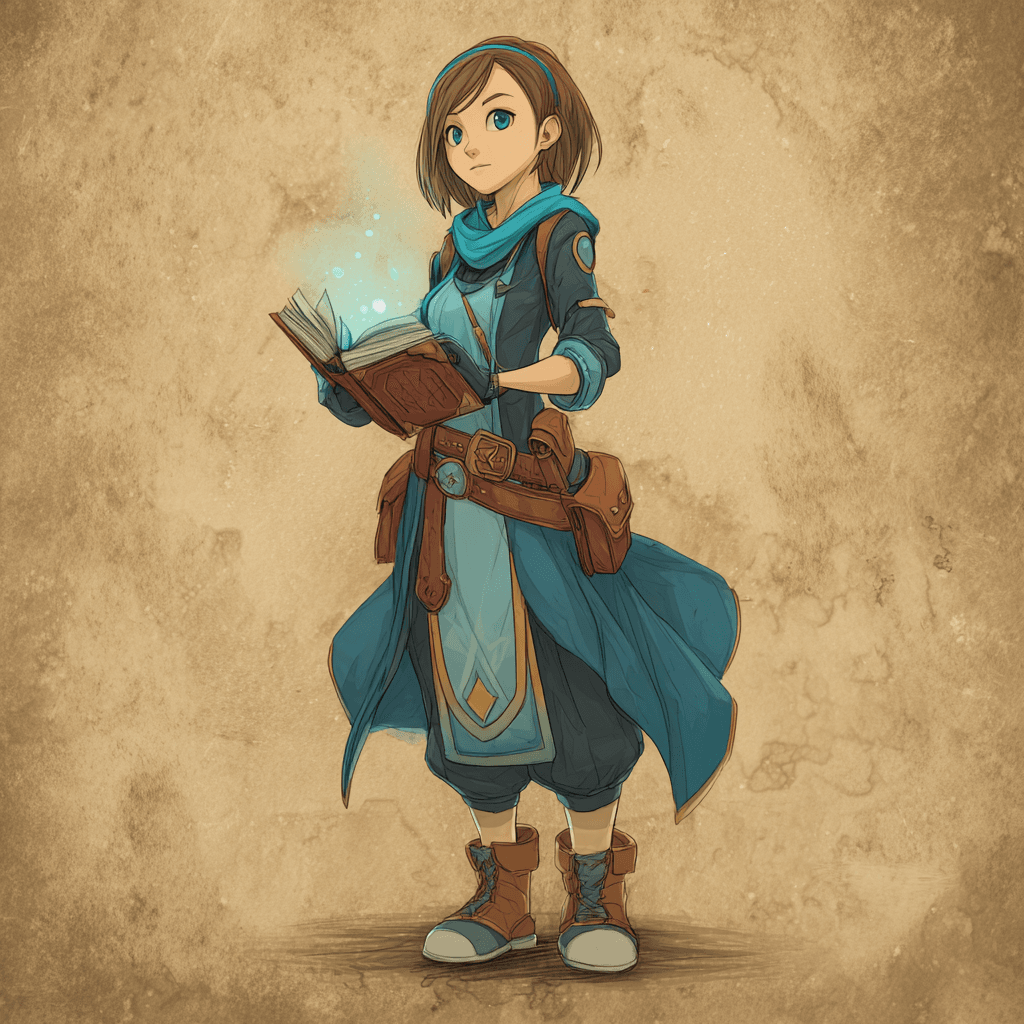
Tree of Savior M’s visual identity is one of the few things every report foregrounds. Pocket Gamer describes a fairy-tale world with 2.5D visuals and flat moving sprites, comparing the look to a storybook-like presentation. MMO Bomb says environments are designed to resemble hand-drawn pages from a book. Inven Global’s account of the release describes towns, forests, and ruins flowing together like pages of an illustration.
That visual direction matters because it separates Tree of Savior M from the busier, higher-realism mobile MMO field. It also connects the mobile project back to the appeal of the original PC MMORPG without requiring a one-to-one mechanical recreation. A lighter, illustrated style can be a practical fit for cross-platform play if it scales cleanly across phone screens and PC monitors, though none of the provided sources confirm performance targets, graphics settings, or device requirements.
The customization layer is also part of the presentation. MMO Bomb reports that players can create unique characters, use costumes and emotes, and decorate a house. Inven Global and Enduins both mention costumes, emotes, and a personal housing space. For a long-term MMO, those systems often decide whether the world feels lived in after the leveling curve ends. The confirmed information stops at the presence of those features, so players should wait for global client details before assuming how deep housing placement, costume acquisition, or social hubs will be.
The global version is arriving after several regional releases
Tree of Savior M is not an untested project entering global pre-registration from zero. Pocket Gamer reports that the game has already launched in South Korea, Taiwan, and beyond. MMOHuts and Inven Global specify South Korea, Japan, Taiwan, and Thailand, and both say IMC describes the global version as revamped for a wider audience. Tbreak adds that the Korean launch was set for November 2, 2022.
That history cuts both ways. A game that has already operated in multiple Asian markets may have had time to refine its content flow, interface, events, and economy. Pocket Gamer makes a similar observation, noting that prior regional releases have given the game time to work out kinks. At the same time, “revamped for a global audience” is a broad publisher phrase until IMC explains what changed. Localization, pacing, monetization, balance, and platform features could all fall under that label, but the current source material does not identify the specific revisions.
IMC CEO Hakkyu Kim said in the release, as quoted by Inven Global and Enduins, “We are excited to finally bring Tree of Savior M to players worldwide. We hope adventurers around the world will make this world their own and write their own stories here.” The quote frames the global release as a community expansion rather than a simple port, but players still need concrete follow-up: launch date, server regions, supported languages, account systems, and how the global build differs from the existing versions.
Who should pre-register now, and who should wait for more details
If you already know you want a new Tree of Savior M MMO on day one, there is little downside in taking the confirmed pre-registration action now. The campaign rewards are tied to a shared total, and MMOHuts reports that unlocked items will be sent through the in-game mailbox after launch. Mobile players should use Google Play or the App Store. PC players should wishlist on Steam.
Players who are more cautious should treat this as an early signal rather than a purchase decision. The sources provided do not confirm price, monetization, PC requirements, mobile specifications, controller support, endgame loop, guild features, global launch date, or cross-progression. For a casual RPG tourist, the art style, hack-and-slash combat, Fellows, Kupoles, housing, and class trees may be enough to justify pre-registering. For a player planning a main MMO, those missing details are significant.
The strongest confirmed case for Tree of Savior M global release interest is that IMC is bringing a recognizable PC MMORPG world to PC and mobile with a progression framework built around class advancement, attributes, combat companions, and blessing-granting Kupoles. The open question is whether the global version can make those systems feel like player choice rather than obligation. That answer will come from the launch build, not the pre-registration page.