
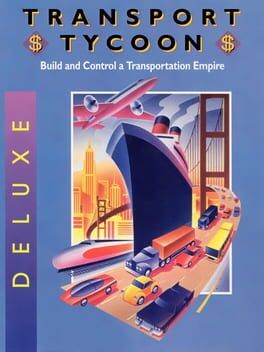

Atari has brought Transport Tycoon Deluxe to Steam and GOG, but the biggest impact may be on how PC players access and preserve OpenTTD and the classic sim it’s built on.
Atari has quietly solved one long‑running problem for Transport Tycoon fans and created a new one at the same time.
Transport Tycoon Deluxe, Chris Sawyer’s 1995 transport‑management classic, is finally back on major PC storefronts via Steam and GOG at around $10. That is a genuine win for preservation and for anyone who just wants a clean, legal way to own the original game on a modern PC. But the re‑release is also reshaping how OpenTTD, the free, open‑source remake that has effectively carried the series for two decades, is distributed on those same platforms.
If you are a PC player wondering whether to buy the new release, how it affects your OpenTTD setup, or what this means for the long‑term health of classic sims on PC, it helps to break it down in practical terms.
What Atari actually changed
For years, the real way people played Transport Tycoon on PC was not through an official rerelease but through OpenTTD. The fan project fully reimplemented the game, fixed bugs, expanded features, and ran on modern systems, while the original DOS/Windows versions quietly faded into “abandonware” status.
Atari’s new move changes the shape of that ecosystem in three key ways on Steam and GOG:
First, Transport Tycoon Deluxe is now being sold as a normal, supported product. You pay a flat price and receive the original game, patched up to run on current hardware and operating systems. For preservation, that alone matters: you no longer have to hunt down discs or shady downloads to legally own the classic.
Second, OpenTTD is no longer offered as a simple standalone free game for new users on those storefronts. Existing Steam and GOG owners keep their OpenTTD library entry and will continue receiving updates, but fresh accounts cannot just click “Get” on a free OpenTTD store page.
Third, instead, the expectation is that OpenTTD on Steam and GOG will be tied to the paid Transport Tycoon Deluxe re‑release as a bundle. The project’s own GitHub notes this change, and storefronts are already shifting to that model. In practice, this means that if you exclusively use Steam or GOG and you did not claim OpenTTD while it was free, your path to getting it there now flows through Atari’s SKU.
If you already own OpenTTD on Steam or GOG
If you grabbed OpenTTD while it was free on Steam or GOG, you are in a good position:
Your existing library entry is not being revoked. Steam and GOG generally do not remove products from your account once they are claimed, even if the store page changes or is delisted. The OpenTTD team and coverage from PC Gamer and PCGamesN all point to the same outcome: your copy will keep working.
You should continue receiving updates. OpenTTD is still actively developed, and nothing in Atari’s move changes the open‑source project itself. The only difference is how new players acquire it through storefronts, not how it is maintained.
You do not need to buy Transport Tycoon Deluxe if your only goal is to keep playing OpenTTD. The bundle requirement targets new acquisitions, not historical ones. If OpenTTD already sits in your Steam or GOG library, you can ignore the bundle and keep trucking.
The main question for an existing owner is not access but convenience. If you are happy with OpenTTD and do not care about the original game’s historical value, nothing here forces you to spend money. The obvious exception is if you like collecting classic PC titles or want the original assets for nostalgia or modding.
If you do not own OpenTTD yet
For new or returning players who never claimed OpenTTD on Steam or GOG, you effectively have three options, each with trade‑offs.
The most friction‑free route is to download OpenTTD from its official website. The project has always provided DRM‑free downloads for Windows, macOS and Linux, with an integrated content system that lets you pull down open‑license graphics and sound sets directly in the launcher. For pure playability and flexibility, this remains the best way to get OpenTTD if you do not care about having a Steam or GOG library entry.
The second route is to embrace Atari’s bundle on Steam or GOG once it fully rolls out. In that model, you buy Transport Tycoon Deluxe, and OpenTTD is delivered alongside it within your storefront ecosystem. For someone who wants achievements, cloud saves, or just likes centralizing everything under a single launcher, paying once to have both the original and the modern remake in your account is not a terrible deal. It does, however, turn what used to be a free Steam app into something implicitly paywalled by a legacy title.
The third route is to ignore storefront integration entirely and lean on other PC platforms. If you run a distribution like Linux, you may find OpenTTD available in your system’s package manager or through flatpak and similar options, independent of Atari’s decisions. That is especially useful if you prefer long‑term control over your installations and do not want to be tied to store policy shifts.
Why this matters for preservation
From a preservation perspective, Atari’s move is both overdue and complicated.
On the positive side, having Transport Tycoon Deluxe back on sale solves a long‑standing legal limbo. Fans have been using a reverse engineered reimplementation for years largely because there was no way to legitimately buy the original on PC. Selling it again on Steam and GOG gives new players a clear path to a licensed copy, which strengthens the long‑term case for OpenTTD, not weakens it. When a publisher can point to a real product being sold, they are often less inclined to treat fan projects as competition.
It also adds a canonical reference point. Preservation is not just keeping games playable, but also keeping their original forms accessible. OpenTTD improves nearly everything about Transport Tycoon Deluxe, but it is still an interpretation on top of new code and new defaults. A cleaned up, stable build of the 1995 experience on modern storefronts gives historians, modders and curious players a baseline to compare against.
On the more worrying side, this is a clear illustration of how easily digital availability can reshape a community. For more than a decade, OpenTTD functioned as the practical, modern version of Transport Tycoon precisely because the original was unavailable. By “un‑abandonwaring” the game, Atari is within its rights to reassert control over how that ecosystem presents itself on commercial stores. When a publisher returns to the table, community projects that have spent years filling a gap suddenly depend on that publisher’s goodwill and business decisions.
What it means for modders and community projects
Projects like OpenTTD, OpenRCT2 or OpenLoco thrive because they offer three things: a technically improved experience, legal distance from proprietary code, and easy access for new players. Atari’s re‑release does not affect the first two, but it directly impacts the third on Steam and GOG.
If you are a modder or server host, the most immediate concern is onboarding. Until now, it was trivial to tell friends or new community members to grab a free Steam copy of OpenTTD, click install and join your server. That path is closing for anyone who does not already have it in their library. You will increasingly be telling players either to download from the official site or to purchase a storefront bundle.
That might look minor, but small barriers shape community growth. A fan project with a one click free Steam install will reliably capture curious players who discover it through recommendations, tags and algorithmic surfacing. Replace that with a paid bundle and an external download link, and you shift your audience toward enthusiasts who are already invested enough to jump through extra hoops.
At the same time, Atari’s move could stabilize things for OpenTTD in the long term. The company now has a revenue stream directly connected to the IP, and the community project effectively drives value back to that product by acting as a modern front door to the game’s design. Forums and GitHub discussions already show people buying or planning to buy Transport Tycoon Deluxe precisely because they love OpenTTD and want the original as a companion piece. If Atari views OpenTTD as a sales funnel rather than a rival, that is healthier for everyone involved.
Storefront ownership and what you actually own
For consumers, the Transport Tycoon Deluxe situation is a reminder to separate three different layers of “ownership” in PC gaming.
When you buy Transport Tycoon Deluxe on Steam or GOG, you are buying a license tied to that storefront. It will probably be there for a long time, but its continued presence is governed by agreements between Atari and those platforms. Licenses can be pulled, store pages can vanish, and while existing owners usually retain access, new players may suddenly find they have no official way to buy in. That is effectively what happened during the long stretch when Transport Tycoon was absent from sale.
With OpenTTD, your Steam or GOG entry is convenient, but not essential. The real “ownership” comes from the project’s open source code and the ability to download it directly from its maintainers. Even if every storefront delisted OpenTTD tomorrow, you would still have the game as long as the code and community infrastructure remain online and mirrored.
Finally, there is the question of assets. OpenTTD historically needed original graphics and sound from Transport Tycoon Deluxe, or it needed free replacement sets, to be fully playable. Having an official digital version of those assets for sale is useful because it provides a straightforward legal route to get the original look and feel without rummaging through abandonware archives. That is one more reason preservationists should not reflexively oppose the re‑release, even if they dislike the way it reshapes storefront access.
Practical advice: what should you do?
If you love OpenTTD and want a safety net, buy Transport Tycoon Deluxe while it is in active support. Even if you never play more than a few nostalgic campaigns, you are getting a clean, legal, DRM‑free (on GOG) copy of a foundational sim that has been weirdly out of reach for years. It is also a quiet way of signaling to Atari that there is money in doing right by classic PC libraries.
If your priority is simply to play OpenTTD as easily and cheaply as possible, skip the storefront drama and download it straight from the official site. You will get the latest version, DRM free, on your own terms. Pair it with the included open‑license graphics if you do not own the original assets and you will still have a deep, feature rich transport sim with modern conveniences, massive maps and robust multiplayer.
If you care about long term access, do both. Grab the GOG version of Transport Tycoon Deluxe for archival purposes and keep a local copy of the latest OpenTTD installer plus its source code. Classic sim fans have already lived through one long period where this series effectively disappeared from lawful sale. Between a proper rerelease and a mature open‑source reimplementation, there is finally a path to ensure that does not happen again.
In the bigger picture, Atari returning Transport Tycoon Deluxe to sale is a sign of how the PC ecosystem is changing. Publishers are reclaiming old catalogues, storefronts are tightening how they treat fan projects, and communities that have been custodians of classic games now have to share that role. For players, the best response is not to pick sides, but to be intentional: decide which versions you actually want to own, grab them while they are available, and keep one eye on how the legal and technical foundations of your favorite sims are shifting beneath the surface.