
A deep look at Torchlight: Infinite’s SS12 Lunaria update, covering the new hero Lunaria, the rebuilt seasonal farming loop, permanent endgame systems, and the potion overhaul, with a focus on how the build meta and long‑term grind actually change.
Torchlight: Infinite is treating SS12: Lunaria as a third anniversary relaunch more than a routine reset, and it shows. Instead of just a new gimmick and a few hero traits, Lunaria ships with a build defining hero, a rebuilt seasonal loop that leans hard into chaining maps, two past systems promoted to permanent progression, and a potion overhaul that reaches into every build’s keybinds.
If you drifted away from the game because seasons felt too self contained or short lived, this is the first one in a while that actively tries to fix those complaints.
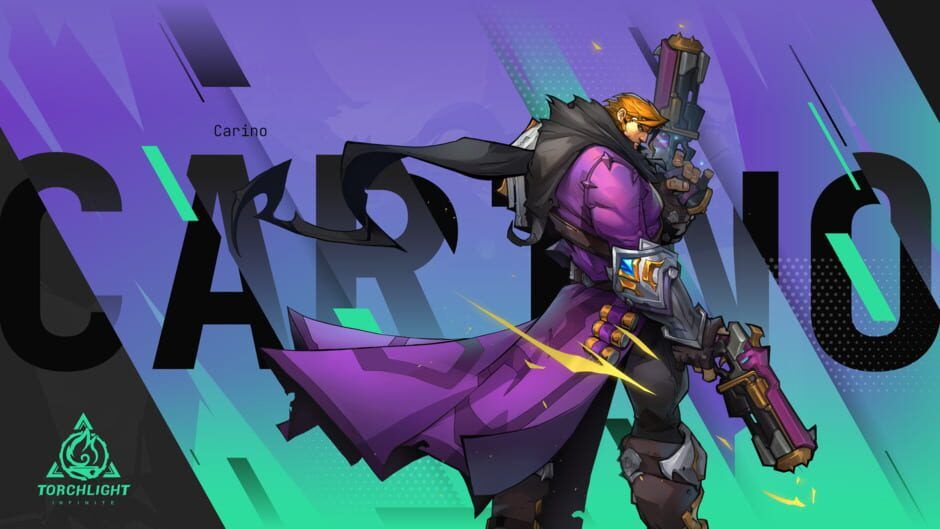
The new hero: Lunaria, Scent Weaver Sage
Lunaria is not just another stat stick. She is the first truly potion centric hero, designed around the new Elixir Skills so tightly that she effectively doubles as a tutorial for the system and a test bed for the new meta.
Her identity splits across two hero traits. Scholar leans into controlled conversion and sustain, turning life and mana into layered buffs and defensive uptime. Mad Scientist does what the name implies and weaponizes flasks as offensive engines, pushing a high risk rotation where timing and charge management translate into bursts of damage and movement.
Mechanically, Lunaria is about recipe manipulation. In practice that means you are encouraged to run more active elixirs than usual, weave them into your damage windows, and spec into traits that refund or amplify charges during heavy combat. This turns potion presses into the core of your damage cycle instead of emergency buttons, and that alone is a major meta nudge.
For the current roster that matters because it sets a precedent. If Lunaria lands, expect future traits and balance passes to assume that Elixir Skills are part of your core throughput, not just survivability padding.
The Lunaria seasonal loop: statues, chains and risk stacking
Season SS12 shifts the mapping fantasy from “clear a map, hit a mechanic, leave” toward a more chained, compounding loop.
Out in the Netherrealm you will now encounter Lunar Stone Statues. These are the anchors of the seasonal mechanic. Using a new consumable called the Lunar Ring, you activate statues to spawn Lunari themed encounters. Beating these enemies fills an energy meter. As the meter climbs you can chain into further empowered encounters, effectively turning a single map into a mini gauntlet if you lean into it.
The twist comes from Omens and Rhapsodies, random modifiers that attach to statues and runs. Omens act like global boons and curses for the chain, bending difficulty, density and reward. Rhapsodies are stronger, rarer effects that can turn a chain into either a jackpot or a brick wall depending on how your build lines up with the modifiers you roll.
If you navigate these modifiers well and meet specific conditions, you can trigger golden statues. These are high risk nodes that spike both enemy danger and reward payout, with Lunaria specific drops layered on top of the usual endgame loot.
For the meta this matters in two ways. First, it rewards builds that can sustain performance across extended fights rather than just map size burst. Second, it doubles down on proactive mitigation. Glass cannons that could previously sprint through standard maps may find Omens and Rhapsodies punishing unless they invest in new layers of defense through elixirs or gearing. Clear speed is still king, but consistency and sustain catch up.
Creation Engine and other systems go permanent
Past Torchlight: Infinite seasons have had the same problem many live ARPGs do. A mechanic arrives, dominates your routing, then disappears when the season rolls off. Lunaria tries to break that fatigue by promoting and expanding systems instead of shelving them.
The headliner is the Creation Engine. Previously introduced as limited time content, it now becomes a permanent pillar of the Netherrealm. Creation Sentries guard crystal laden arenas. When you defeat enemies inside their influence, those crystals transform into higher tier loot. It is a simple concept with a couple of important consequences.
You are actively incentivized to pull monsters into sentry zones, change how you pace the clear, and spec Netherrealm Talents to bias which types of loot the engine focuses on. Loot targeting has always been one of the sharpest tools for long term ARPG engagement, and making Creation Engine permanent gives Torchlight: Infinite a persistent version of that lever similar in spirit to Harvest or Expedition style systems in other games.
Renewed Memories is the second big pillar. Hero Memories were already a way to personalize progression, but SS12 expands their affix pool and adds new crafting hooks. It is narrower in scope than something like Diablo 4’s Paragon revamps, but the intention is similar. Your long term power is less about raw level and more about curating a personalized network of memory based bonuses.
Finally, Modularization takes what could have been a one off fun feature and bakes it into long term character expression. After defeating bosses you can create modular versions of them and then summon these customized bosses to fight alongside you. At launch there are 20 bosses available, with more expected later in the season.
This does three things for the meta. It adds another axis of build identity because “which boss is your companion” is now part of how a character feels to play. It offers a new grind for min maxers who want perfect rolls on their modular bosses’ behaviors. And it slightly flattens the early mapping spike for slower ramping builds, since having a boss ally on call covers some weaknesses while you scale.
Potion overhaul: Elixir Skills as real buttons
The potion system is the quiet star of Lunaria. It is framed as a rework, but the impact reaches so far into gameplay that it behaves more like an added skill layer.
Old potions were cooldown gated consumables that mostly lived on autopilot. In SS12 they become Elixir Skills, and they now spend charges instead of waiting on timers. On top of that they are split into three functional categories.
Tonics focus on powerful but short lived buffs and bursts. Dews tend to handle recovery and sustain. Distillates lean into more complex or conditional effects, filling a hybrid role that often blurs offense and defense. Within each category there are multiple variants that interact with charges, uptime and build archetypes differently.
For the meta, this does several concrete things.
First, your keybinds matter more. Where you could previously afford to semi ignore potion keys, Elixir Skills are designed to be woven into your damage and defense rotations. Builds that already had high APM, such as rapid skill spammers, now have to budget attention for elixir weaving but get rewarded with smoother defenses and more controlled burst.
Second, defensive layering shifts. Elixir uptime and charge economy become as important as raw armor or resist on gear. Characters that invested heavily in traditional mitigation can now trade a slice of that into skills and gear that boost elixir generation or potency, then lean on elixirs for reactive saves.
Third, it opens a path for non Lunaria heroes to play more like her. Even if you do not touch the new hero, you can retool your flask setup into a pseudo rotation, pick passives and gear that synergize with charge generation, and ride those interactions to higher ceiling gameplay. That kind of horizontal buff to interactivity is precisely what lapsed players often look for in a new season.
How much does the build meta really change?
The honest answer is that Lunaria does not rip out the current meta foundations, but it does tilt the table in several noticeable directions.
High speed clear builds that can maintain damage while moving through extended chains should rise with the Lunar Statue system, especially if they can reliably handle Omens and Rhapsodies without swapping gear. Think of the classic mapping archetype that never stops moving, now tested on longer chains instead of single map snapshots.
On the other hand, builds that previously parked most of their power in single big cooldowns or slow ramp setups will need to lean more on Elixir Skills and Creation Engine routing to keep up. One practical adaptation is to spec into elixir heavy rotations, then use Creation Sentries as focal points where you stack burst windows, elixirs and boss ally summons to cash out on crystal conversions.
Lunaria the hero is almost certain to sit near the top of the seasonal tier lists early on, not just because of raw numbers but because the reworked potion sandbox was built around her. Expect rapid iteration on her traits as the developers collect data on how players push her Mad Scientist paths in particular.
What you should not expect is a total invalidation of your old favorite builds. The core skill gems and gear remain familiar, and permanent systems like Creation Engine and Renewed Memories buff the outer shell rather than gutting your existing core. If you liked a build last season, Lunaria offers reasons to retool and optimize it instead of forcing a complete reroll.
Is SS12 Lunaria worth a return for lapsed ARPG players?
For returning players the question is never just “is there a new hero” but “is there enough systemic change to feel like a fresh game without losing progress.” Lunaria lands in a strong middle ground.
On the substantial side you get a genuinely new resource layer with Elixir Skills, a rethought seasonal grind that rewards sustained chains rather than isolated map pops, and permanent systems that promise carryover value for your time investment beyond this anniversary window. Creation Engine and Renewed Memories in particular look like long tail hooks for anyone who enjoys precision crafting and target farming.
On the conservative side your past knowledge still counts. Skill interactions, itemization logic and general clear speed priorities all remain recognizable. You are not relearning the entire tree like some expansion scale ARPG overhauls, so the cost of coming back is mostly “catch up on new mechanics” rather than “start over from zero.”
If you left because previous seasons felt throwaway or because flasks were too passive to bother with, SS12 has concrete answers. If your frustration was more around monetization or the core feel of combat, Lunaria will not magically rewrite those fundamentals, though the increased button density from Elixir Skills does make minute to minute gameplay busier and more satisfying.
Taken as a whole, Lunaria is one of Torchlight: Infinite’s most convincing pitches yet to lapsed ARPG fans. It is not just another theme. It is a bundle of permanent systems, a hero that stress tests them, and a reimagined progression loop that makes better use of your time. If you have been waiting for a season that respects long term investment while still giving you an excuse to roll something new, SS12 is the one worth reinstalling for.