
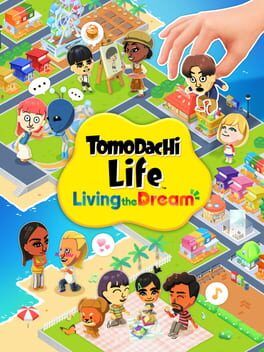

Hands-on previews point to deeper customization, sharper social simulation, and more intentional player-driven stories in Tomodachi Life: Living the Dream. Here is how the Switch sequel is evolving Nintendo’s strangest cult classic without losing its chaotic charm.
Nintendo is not just resurrecting Tomodachi Life on Switch, it is widening the sandbox that made the 3DS original a cult favorite. Early hands-on previews of Tomodachi Life: Living the Dream paint a clear picture of a sequel that leans harder into customization, intentional social simulation, and player-authored drama, while still letting the game’s signature absurdity do most of the comedic heavy lifting.
Where Tomodachi Life once felt like watching a surreal Mii terrarium, Living the Dream is closer to running your own tiny improv troupe. You still create Miis, drop them onto an island, and watch their lives spiral into awkward romances, petty rivalries, and bizarre dreams. The difference now is how much more control you have over the raw material of those stories and the stage they unfold on.
Previews consistently highlight how far Nintendo has pushed Mii creation this time. The creator now reaches closer to Miitopia and modern avatar tools, with more granular facial tweaks, hairstyles, and accessories, but it is the identity options that really signal a shift. You can fine-tune how a Mii’s name is pronounced, choose pronouns including they or them, and specify each character’s dating preferences, whether they are interested in men, women, everyone, or no one at all. That framing turns what was once a goofy personality slider into something closer to a character sheet you might build for a tabletop RPG.
Those extra options matter because Tomodachi has always been about investing in caricatures of people you care about. The more precisely you can model your group chat, your favorite streamers, or the cast of your favorite anime, the more the game’s scripted weirdness feels like it was written just for you. Hands-on impressions make it clear that Nintendo understands this and is treating the creator as the beating heart of the sequel rather than just a setup screen you rush through.
Living the Dream does not stop with the characters. The island itself is no longer just a backdrop of discrete buildings and pre-set interiors. Multiple previews compare the new structure to a compact Animal Crossing, with island spaces you can reshape and decorate, buildings you can place more freely, and a faster sense of progression that lets you start stamping your personality on the setting almost immediately. Instead of grinding for days to unlock basic amenities, early sessions already show players shaping their island layout and vibe, then watching how that geography nudges Miis into new routines and encounters.
That environmental flexibility feeds directly into the social simulation. Previously, Tomodachi Life felt almost completely hands off. You watched windows light up on an apartment block and accepted that your cast might fall in love or feud whenever the game’s hidden dice decided. In Living the Dream, Nintendo is keeping the unpredictability but layering on more ways to gently guide the chaos. You can pick Miis up, literally drag and drop them into locations or toward each other, and treat the island like a diorama of movable pieces.
Hands-on writers describe a pleasant tension between agency and surprise. You might place two Miis with obvious chemistry on the beach at sunset, clearly fishing for a confession scene, but what plays out still follows the game’s own strange logic. Sometimes your careful matchmaking pays off with a heartwarming relationship arc. Other times it implodes into slapstick rejection or a new rivalry you did not intend. That push and pull feels like Nintendo’s answer to modern life sims that chase total control. Living the Dream is giving you more levers and knobs, but refuses to become a pure sandbox where everything goes exactly to plan.
Mini-games and daily activities support this more tactile structure. Early previews call out returning oddities along with new diversions, such as a red light or green light style challenge that doubles as both a gag and a way to influence mood or relationships. These small playable beats are still light and silly, but now they sit inside a broader loop that lets you nudge your island’s emotional temperature, not just passively witness it.
The creative tools stretch even further into outright player expression. You can draw custom images in handheld mode, apply them to items and decor, then even sell your creations in in-game shops that other Miis will browse. It is a quiet but meaningful expansion that turns Tomodachi from a closed toy box into something closer to a tiny creator economy. Your doodles and designs can become recurring props in your island’s long-running sitcom, from cursed T-shirt logos to surprisingly tasteful room art that keeps popping up in screenshots.
This push toward authored stories does not mean the series is losing its surreal soul. Previewers, including first-time Tomodachi players, emphasize how quickly Living the Dream finds that specific Nintendo weirdness: Miis overreacting to minor social slights, melodramatic internal monologues, and dream sequences that feel like they escaped from a late-night sketch show. The difference is that these scenes now emerge from a cast and a space you have shaped with more care, which makes the punchlines land harder.
For longtime fans, the question is whether this sequel can recapture the 3DS original’s offbeat energy while modernizing it for a Switch audience that has already sunk hundreds of hours into Animal Crossing and The Sims. The early signs are encouraging. On one hand, Living the Dream clearly borrows ideas from those contemporaries, like rapid access to customization, intentional island planning, and richly parameterized characters. On the other, it still feels proudly awkward and low-stakes, unafraid to let its AI make nonsensical choices or derail your plans in favor of a better joke.
Where Animal Crossing can sometimes feel like a checklist and The Sims can turn into a systems puzzle, Tomodachi remains more like a social sitcom generator. You do not play it to “win” or optimize, you play to be surprised by the ways your cast of friends and fictional crushes misinterpret each other. Living the Dream’s new tools look designed to lower the friction between the stories in your head and the game’s engine, without sanitizing the nonsense that made those old YouTube clips so memorable.
That balance also hints at Nintendo’s broader direction for its quirkier series. Rather than chasing live-service hooks or competitive angles, Tomodachi Life: Living the Dream seems content to double down on being a deeply personal, fundamentally offline toy that thrives on screenshots, anecdotes, and group chats. The expanded customization and social systems are less about chasing trends and more about making the game legible to a wider range of players who want to see themselves and their communities represented in its goofball simulations.
For players who discovered Nintendo’s weirder side through Miitopia or spent the Switch years wondering why Tomodachi never came over from 3DS, this sequel looks like a thoughtful, modern answer. It widens the canvas for customization, lets you gently orchestrate social car crashes, and trusts that the real fun will come from the stories players share once their islands have had a few weeks to simmer.
If the launch version matches the tone and flexibility of these early previews, Tomodachi Life: Living the Dream is poised to be exactly what a cult classic follow-up should be on Switch. It is not a reinvention so much as a glow-up, one that gives fans and newcomers alike more ways to make this tiny universe their own without losing the strange, specific flavor that made watching Miis sing off-key love ballads feel like appointment viewing years ago.