
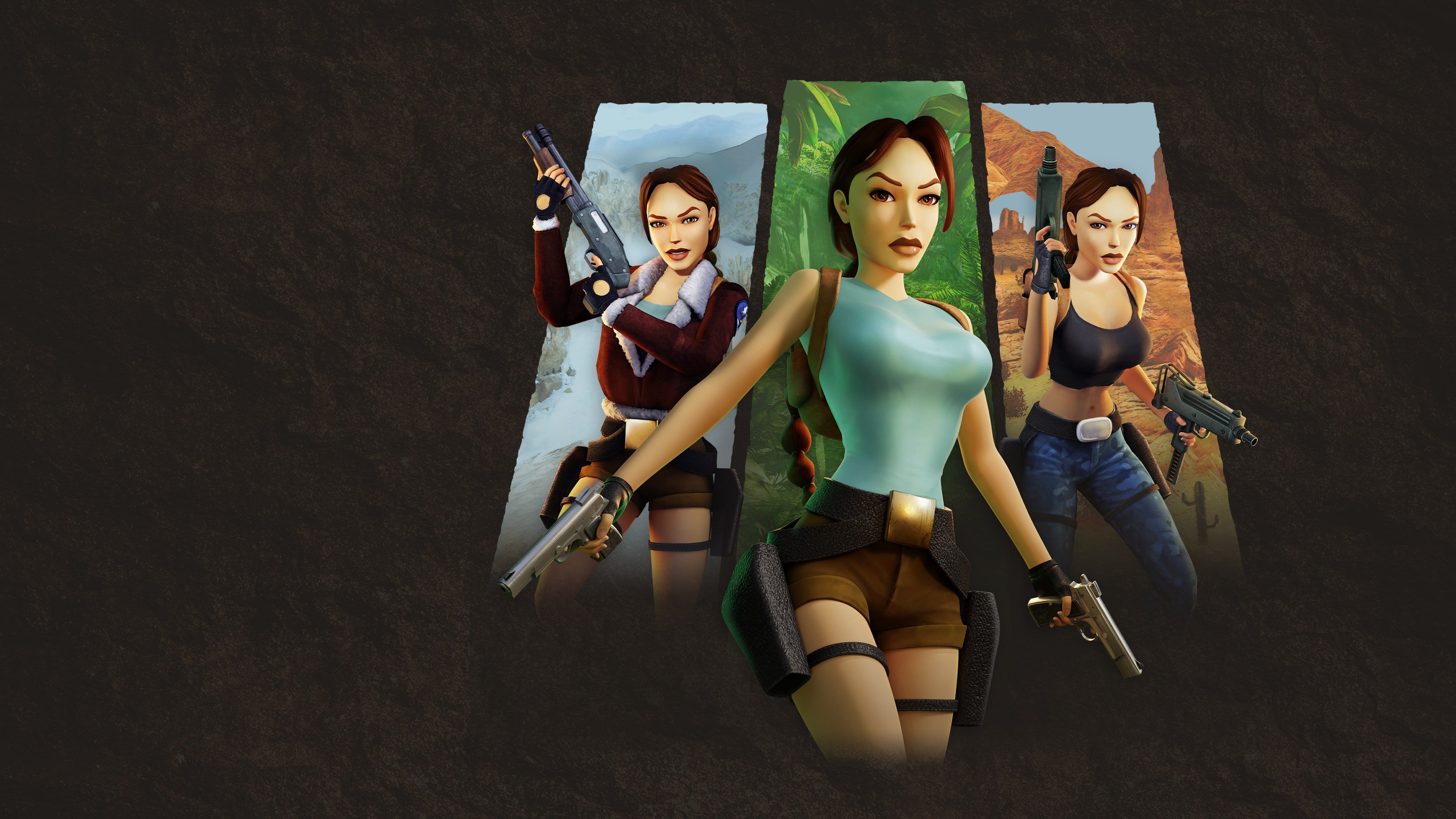

Aspyr’s latest Tomb Raider I-III Remastered update adds 60fps Classic Graphics Mode, a brightness slider, pickup highlights, and a stack of quality-of-life fixes.
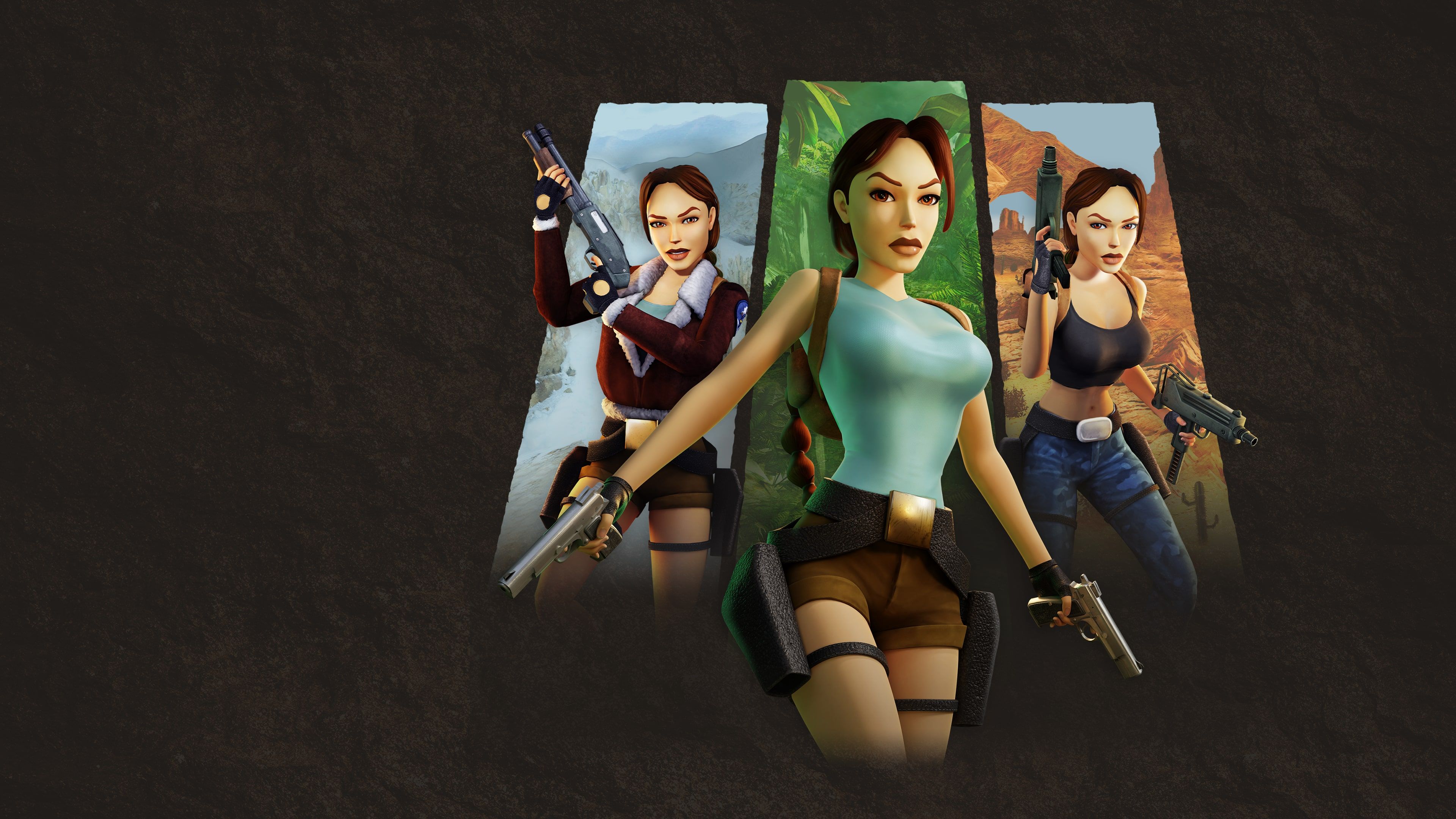
Image: playstation.com
Aspyr’s latest patch fixes the old look without sanding it down
Aspyr has released a new Tomb Raider I-III Remastered update that adds 60fps support to Classic Graphics Mode, alongside a brightness slider, brighter pickup highlights in HD Graphics Mode, and a wide set of bug fixes. The update is framed in Aspyr’s support notes as “Challenge Mode Patch 3: Community Update,” according to the official rundown quoted by Nintendo Life and cited by OtakuKart.
That headline feature creates the interesting tension here. This is not a content-heavy patch in the way the earlier Challenge Mode update was, but it touches one of the remaster’s most delicate promises: letting players move between the original presentation and modernized visuals without making either feel like the wrong way to play. For players who bounced off the collection after sampling the remastered look, or who loved the classic visuals but disliked their lower frame rate, this Tomb Raider I-III Remastered update is aimed directly at that friction.
Pocket Gamer describes the patch as a “grab bag” of quality-of-life fixes, particularly welcome on mobile. Prima Games reports that Patch 3 is out now on PlayStation, Xbox, Nintendo Switch, Nintendo Switch 2, PC, iOS, and Android. Noisy Pixel’s platform list focuses on PlayStation 4, PlayStation 5, Xbox One, Xbox Series, Nintendo Switch, and Steam, while Pocket Gamer specifically covers the mobile rollout. The shared point across the reporting is that Aspyr is applying the core new features broadly, with additional platform-specific fixes where needed.
60fps Classic Graphics Mode is the real craft story
Aspyr’s patch notes state that Classic Graphics Mode now runs at 60fps “for a seamless gameplay experience on any console,” as quoted by Nintendo Life. Prima Games and Noisy Pixel both report that the classic visual mode previously ran at 30fps, and Prima adds that the old behavior could lead to frame-pacing issues, especially noticeable when switching between the remastered and original looks.
That matters because Tomb Raider I-III Remastered is built around a visual toggle. The collection lets players swap between the original graphics and the remastered presentation, a feature Noisy Pixel highlighted when describing the package at launch. If the remastered mode feels smoother than the classic one, the nostalgia mode can start to feel like a museum filter rather than a fully playable option. A 60fps Classic Graphics Mode helps close that gap.
There is also a mechanical reason lapsed players may care. The original Tomb Raider trilogy is defined by measured movement, angular traversal, deliberate jumps, and the constant negotiation between Lara’s animation and the geometry under her boots. The patch does not rewrite those fundamentals, and the source material does not claim it changes input timing or level design. But a smoother classic presentation can make camera motion, enemy movement, and traversal reads feel less abrasive on modern screens. For a remaster that lives or dies by whether old difficulty feels intentional rather than crusty, that is a meaningful quality pass.
The patch notes also say the default value for “Retro FPS” has been changed to enabled across all applicable platforms. That is listed among the multi-platform fixes by Nintendo Life, separate from the headline 60fps Classic Graphics Mode addition. Aspyr has not, in the provided source material, offered a deeper technical breakdown of how that setting interacts with every platform or display configuration, so the safe read is simple: Classic Graphics Mode is smoother now, and Aspyr has adjusted defaults where the retro frame-rate option applies.
The new visibility tools target the remaster’s most common small irritations
The other two headline additions are quieter, but they address the sort of problems that make a replay stall. Aspyr’s notes add a brightness slider that can change the brightness of any level across all three games. The official wording, quoted by Nintendo Life, says it works best with intended use in HD Graphics Mode. Pocket Gamer also calls out the slider as one of the main quality-of-life improvements.
That distinction is important. Tomb Raider’s tombs, caves, and industrial spaces were originally designed around the limitations and visual language of their era. Remastered lighting can make some scenes prettier, but it can also change how players parse pickups, ledges, switches, and hazards. The new brightness option gives players a practical way to tune visibility without abandoning the remastered look altogether.
Aspyr has also made key pickup items brighter and easier to see in HD Graphics Mode, according to the patch notes quoted by Nintendo Life and summarized by Noisy Pixel. Pocket Gamer notes that this should help players who have found pickups tricky to grab in HD mode. That may sound tiny until you remember how much of classic Tomb Raider is about reading an environment, spotting one small object on a stone floor, and trusting that the level’s logic is fair.
For a platforming-heavy adventure, visibility is part of the control scheme. A jump can only feel precise if the destination reads clearly. A puzzle can only feel satisfying if the key object is discoverable rather than camouflaged by a modern texture pass. These additions do not make Tomb Raider I-III Remastered easier in a broad sense, based on the source material, but they should reduce a few avoidable moments where the remaster’s updated presentation gets between the player and the level.
The patch notes are full of small fixes with big annoyance potential
Beyond the three new features, the Tomb Raider Remastered patch notes cover a wide range of bugs across multiple platforms. Nintendo Life’s quotation of Aspyr’s support page lists fixes for a clipping issue in Natla’s Mines where the character could pass through the boat, a harpoon gun ammo UI bug, missing Challenge Mode modifier descriptions, a Living Quarters physics issue where Lara could remain hanging in the air, and a Tomb of Tihocan rendering issue where boulders flickered in and out of view.
Other multi-platform fixes are more directly tied to how Tomb Raider feels in the hands. Aspyr says it improved the reliability of executing a running Swan Dive when using touch controls, fixed a grab-mechanic issue with ledges in The Cistern, corrected inverse controller settings that were not applying correctly, and improved ladder mounting mechanics in the Opera House level. Those are not glamorous patch-note items, but they sit right where frustration tends to live: at the seam between what the player intended and what Lara actually did.
The notes also include fixes for an Atlantis sequence break involving backflipping with Tank Controls, a bug where the last used Challenge Mode outfit incorrectly persisted in normal levels and Lara’s Home, a tooltip error tied to Golden Pistols completion requirements, Photo Mode not opening correctly without extra input, and a City of Khamoon collision issue where Lara could fall through a half-opened trapdoor.
This is the kind of maintenance that suits a preservation-minded remaster. The original trilogy’s identity depends on sharp edges, but unplanned softlocks, UI omissions, broken settings, and collision mishaps are a different category from intentional old-school challenge. Aspyr is not promising a redesigned trilogy here. The confirmed work is narrower: fix the places where the collection itself gets in the way.
Switch 2 gets its own cleanup pass
The Switch 2 version receives additional fixes, according to the Aspyr patch notes quoted by Nintendo Life and summarized by OtakuKart. Those include a St. Francis Folly issue where Lara and lions could become stuck in corners, a Highland Fling softlock caused by Lara getting stuck after jumping onto a rock, and environmental clipping involving the T-Rex after its defeat.
Aspyr’s Switch 2 list also includes a collision bug that allowed characters to clip through the Cargo Plane’s cockpit, flickering “Goo” textures in Room 3 of the Reunion level while in Classic Mode, flickering textures in the Shakespeare Cliff secret area while in Classic Mode, missing enemy spawns in the Caves of Kaliya when using type modifiers, and glitched enemy spawns in Lud’s Gate when using modifiers, according to the Nintendo Life excerpt.
That platform-specific attention is worth noting because the reporting around this patch splits its focus. Pocket Gamer emphasizes mobile quality-of-life fixes. Nintendo Life foregrounds Switch 2 optimizations and bug fixes. Prima Games reports that the patch is out across console, PC, and mobile platforms. Taken together, the update looks less like a single-feature performance patch and more like a continued stabilization pass for a collection that now spans traditional consoles, PC, handheld play, and touch-controlled mobile versions.
For Switch 2 owners in particular, the confirmed fixes suggest a cleaner version of the same trilogy rather than a new edition. The sources do not mention new graphical modes, new levels, or exclusive content for Switch 2 in this patch. The tangible value is in fewer level-specific problems and the broader addition of 60fps Classic Graphics Mode.
Where the collection stands now
Tomb Raider I-III Remastered originally launched in February 2024, according to Noisy Pixel. The collection includes Tomb Raider with Unfinished Business, Tomb Raider II with The Golden Mask, and Tomb Raider III with The Lost Artifact. Noisy Pixel also notes that the remaster includes modern additions such as achievements, updated camera options, and updated control options, while still allowing players to switch between original and remastered graphics.
Prima Games reports that the collection has received several updates since launch and says the March Challenge Mode update added more than 10 outfits, a new challenge mode, and new achievements. Pocket Gamer also contrasts this latest patch with that earlier Challenge Mode update, calling the new changes relatively minor by comparison. That is the right frame for expectations: Patch 3 is a refinement update, not a second expansion of the package.
There is one forward-looking detail, but it should stay in its lane. Prima Games reports that the developers have confirmed Patch 4 is already in progress. The provided source material does not include Patch 4 contents, timing, or platforms, so there is no confirmed reason yet to wait for it unless you are specifically holding out for unknown future fixes.
On price, Prima Games reported that the collection was 70 percent off on Steam until August 30, 2026, and 70 percent off on the PlayStation Store until August 27, 2026. Sale availability can change by region and date, so players should check their own storefront before treating that discount as current. If the sale is live where you are, the timing lines up neatly with this patch’s best use case: revisiting the trilogy in classic visuals without the previous 30fps compromise reported by Prima and Noisy Pixel.
Should lapsed players reinstall after Patch 3?
If you already own Tomb Raider I-III Remastered and drifted away because the classic presentation felt rough beside the HD mode, this is the strongest reason yet to reinstall. The confirmed 60fps Classic Graphics Mode directly improves the collection’s central nostalgia option, while the brightness slider and HD pickup highlights make the remastered presentation less fussy to read.
If your last attempt ended because of a specific control or collision annoyance, the answer depends on whether that issue appears in the patch notes. Touch players get an improved running Swan Dive. Inverse controller users get a fix for settings not applying correctly. Players who ran into ledge-grab trouble in The Cistern, ladder awkwardness in Opera House, Photo Mode input weirdness, or certain level-specific clipping and softlock problems have concrete fixes to test.
If you are waiting for new Tomb Raider content, this update is not that. The sources do not report new stages, new expansions, or additional Challenge Mode rewards in Patch 3. Its value is polish, preservation, and fewer sharp technical corners. For a trilogy where the joy is often one clean jump, one readable pickup, one perfectly judged swan dive, that can be enough. For players who already finished the collection and only want fresh material, Patch 4 remains unannounced in detail, and this update is better treated as a cleaner reinstall than a new campaign reason.