
PlatinumGames is turning TMNT’s bleakest comic into a full-scale action RPG, and it might redefine what a Turtles game can be.
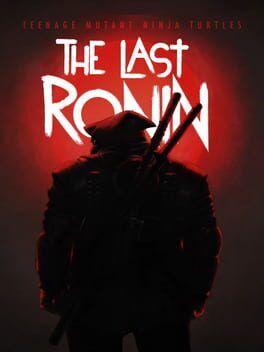
Teenage Mutant Ninja Turtles games have usually leaned into arcade nostalgia, couch co‑op chaos and Saturday‑morning energy. Teenage Mutant Ninja Turtles: The Last Ronin is something very different. A single‑player action RPG from PlatinumGames, based on one of the darkest TMNT comics ever printed, it is positioned to be the most ambitious Turtles game to date.
PlatinumGames takes the katana
When Paramount first floated a Last Ronin game back in 2023, it was reportedly in the hands of Black Forest Games. That version quietly disappeared from the spotlight. The project has now resurfaced as a flagship title for the newly formed Paramount Games Studio, with PlatinumGames taking over development.
That change instantly raises expectations. Platinum is synonymous with expressive, high‑skill action: Bayonetta’s ballet of dodges and juggles, NieR: Automata’s fluid weapon switching, Metal Gear Rising’s surgical parries. This is also not the studio’s first encounter with the Turtles, after 2016’s Mutants in Manhattan. That earlier game never quite came together, constrained by budget and licensing timelines, but it showed flashes of Platinum’s flair in four‑player form.
With The Last Ronin, Platinum is no longer building a quick multiplayer brawler. It is making a AAA, story‑driven action RPG for PC, PlayStation 5 and Xbox Series X|S, with the mandate from Paramount to stand shoulder‑to‑shoulder with prestige single‑player titles. Internally, the goal is reportedly to “meet the bar” set by NieR: Automata. For a TMNT project, that is a radical statement of intent.
A darker future pulled straight from the comics
The source material is key to why this adaptation feels different. The Last Ronin comic, created by Kevin Eastman, Tom Waltz and artists Esau & Isaac Escorza and Ben Bishop, imagines a future New York where the Foot Clan has effectively won. The city is a fortified, neon‑drenched dystopia ruled by Oroku Hiroto, the ruthless grandson of Shredder.
Only one turtle is left alive. Haunted by the voices of his dead brothers, he carries all four of their weapons and wages a one‑turtle war against the Foot Empire. The tone is grim, closer to a revenge‑driven graphic novel than the pizza jokes of classic cartoons. It deals with survivor’s guilt, generational conflict and the weight of a legacy that has gone catastrophically wrong.
That bleak setting is tailor‑made for a single‑protagonist action RPG. Instead of juggling four playable turtles, Platinum can pour narrative and mechanical depth into one scarred veteran. Expect a New York that feels more like a hostile open district than a theme park, with patrol routes, entrenched Foot strongholds and environmental storytelling that reflects decades of occupation.
If Paramount allows the studio to honor the comic’s harder edges, The Last Ronin could occupy the same space for TMNT that Logan did for the X‑Men films: a mature, character‑driven farewell to a familiar mythos.
Action‑RPG structure instead of pure brawler
Paramount has consistently framed The Last Ronin as an action RPG rather than a straight character‑action game. Early commentary likened it to the modern God of War titles, and that comparison fits the material. This is still a combat‑heavy experience, but progression, gear and story structure should carry just as much weight.
Instead of chapter‑based stages that end with a score screen, expect a hub‑and‑spoke or semi‑open structure across future New York. Missions can logically branch from pockets of resistance, raids on key Foot installations and personal detours into the ruins of the turtles’ past. Side quests could focus on protecting scattered civilians, aiding April and Casey Marie’s efforts or hunting elite Foot enforcers that echo boss‑style encounters.
RPG systems are a natural way to show how worn‑down yet adaptable the Ronin has become. Skill trees can split between stealth, brutal close‑quarters specialization and mastery of different weapon styles. Gear upgrades might lean into reclaimed tech from both Turtles and Foot history, blending improvised ninja tools with scavenged robotics.
Handled well, this structure can solve one of the longest‑running problems in TMNT games: repetition. By tying mechanical growth to narrative choices and exploration, Platinum can keep the action fresh long after the tutorial alleyway is cleared.
One turtle, four fighting styles
The most striking idea from the comic is that the Last Ronin fights with the entire arsenal of his fallen family. Mechanically, this is a dream scenario for Platinum. Instead of four separate characters, you have a single move set that can morph between katana, bo staff, twin sai and nunchaku on the fly.
In action‑RPG terms, that opens the door to a stance‑based combat system where each weapon style has its own rhythm, strengths and upgrade path. The katana might focus on precise parries and single‑target execution, the staff on reach, crowd control and defensive spacing, the sai on counterattacks and armor breaks, and the nunchaku on mobility and hit‑and‑run pressure.
If Platinum leans into its usual design philosophy, swapping between these styles mid‑combo could be key to optimization. The studio’s history suggests a deep scoring and grading system beneath the surface, rewarding players who weave weapons, dodges and special abilities into elaborate strings. That kind of complexity fits a game aimed at older fans who grew up with the Turtles rather than children discovering them for the first time.
Layer in RPG progression, and the Ronin’s arsenal can become an expression of player identity. One build might channel the statistical tank of Raph’s brawler instincts, another the swift precision of Leo, a third the gadget‑heavy improvisation of Donnie, all inhabiting the same shell.
A TMNT story built for adults
The Last Ronin’s narrative premise alone sets it apart from previous Turtles games. Instead of the familiar team dynamic and constant banter, this is a story about loss and the tension between duty and the desire to simply stop fighting.
The comic constantly juxtaposes present‑day brutality with flashbacks to better times, and that structure maps neatly onto modern action‑RPG storytelling. Playable flashback sequences could show pivotal failures, training moments or final stands that grant new abilities in the present. Dialogue can lean into inner monologue, with the Ronin arguing against the imagined voices of his brothers as he pushes deeper into Foot‑controlled territory.
With Paramount positioning games as a core storytelling pillar alongside film and TV, there is pressure to turn this into a definitive canon version of the arc. That might mean extended material around supporting characters like April and Casey Marie Jones, new villains slotted into the Foot hierarchy and original set pieces that go beyond the panels of the comic while keeping its emotional spine intact.
If it succeeds, The Last Ronin could reframe mainstream expectations of what a TMNT game is allowed to tackle. Rather than a licensed tie‑in to a show or movie, it would stand as a fully fledged narrative work that happens to be interactive.
Why this could be the most ambitious TMNT game yet
Several factors converge to make The Last Ronin uniquely positioned within TMNT’s gaming history.
First is scope. Paramount is presenting this as a top tier, AAA production, the debut statement for its new games label. Unlike past Turtles projects that arrived alongside films or cartoons, this one is intended to carry itself purely on the strength of its gameplay and story. That kind of backing affects everything from cinematic direction to soundtrack, casting and marketing.
Second is pedigree. Platinum’s highs are some of the best action games ever made, and the studio comes into this with lessons from both its own catalogue and its earlier TMNT outing. With a singular protagonist, a darker tone and an RPG framework, it finally has the canvas to apply its full design language to the Turtles universe.
Third is audience. The fans most excited for The Last Ronin are not necessarily kids picking a random brawler off a digital store. They are long‑time readers who followed the comic event, players who want something with the narrative heft of a modern character drama, and action diehards curious to see Platinum tackle licensed material with a freer hand.
Lastly, the material itself is ambitious. Adapting a beloved, mature comic brings scrutiny but also opportunity. There is room for emotional payoffs rarely attempted in this license: failures the player cannot prevent, choices that cost friends, victories that feel pyrrhic rather than clean.
Combine all of that with an action‑RPG spine and a combat system built around one turtle carrying four legacies, and Teenage Mutant Ninja Turtles: The Last Ronin has every chance to become the definitive TMNT video game. It will not replace the breezy magic of a good beat‑em‑up with friends, but it could finally give the Turtles the kind of sweeping, character‑driven adaptation that comic readers have been waiting for.