
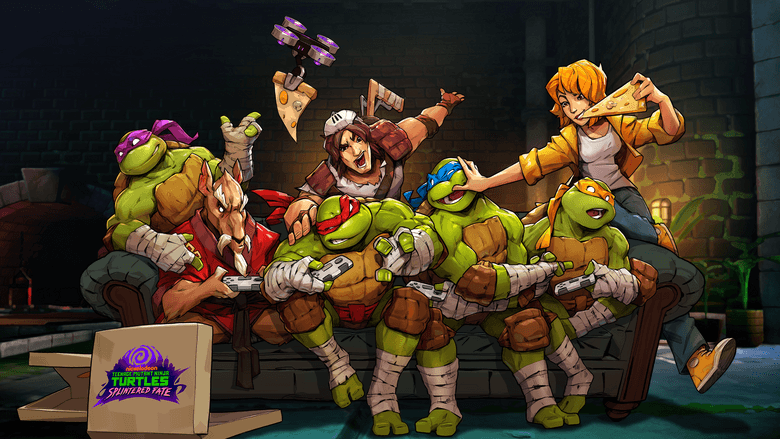

Super Evil Megacorp says Teenage Mutant Ninja Turtles: Splintered Fate has passed 1.5 million base game sales, with Leonardo and Casey Jones defining the most-played roster data.
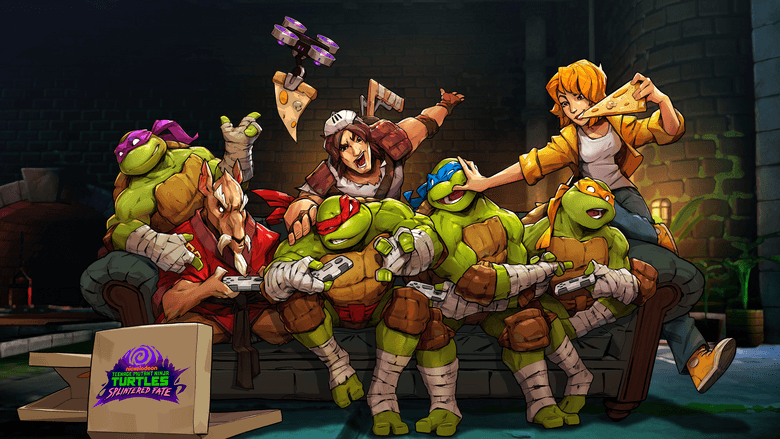
Image: gonintendo.com
Splintered Fate clears 1.5 million, with a bigger DLC story behind it
Teenage Mutant Ninja Turtles: Splintered Fate has surpassed 1.5 million base game copies sold across PC and consoles, developer Super Evil Megacorp announced on September 29, according to reports from Console Creatures, Gematsu, Nintendo Life, and other outlets carrying the studio’s milestone update.
The larger number around the announcement needs a little care. Super Evil Megacorp also said combined purchases of the base game and downloadable content have passed 2.6 million. That is a strong signal for post-launch attachment, but it should not be read as 2.6 million separate players. Console Creatures described that figure as 2.6 million “items” moved when DLC package sales are included, while Gematsu and Noisy Pixel described it as base game and DLC purchases combined.
That distinction is the interesting part of the TMNT Splintered Fate sales milestone. The game is no longer being measured only by how many people bought in once. Super Evil Megacorp is pointing to an audience that has continued buying into expansions and updates after the initial release window, which matters for a roguelike built around repeat runs, character comfort, and incremental mastery.
The roguelike co-op pitch keeps working because it fits the Turtles cleanly
Splintered Fate’s commercial life has been shaped by a familiar comparison. Nintendo Life wrote that the game “channelled some big Hades energy” when it arrived on Switch, and the outlet also said its launch impression was that the game stuck closely to Hades’ playbook. That is criticism with a compliment embedded inside it: the structure was recognizable, but the structure was also legible.
For a TMNT game, that clarity helps. Runs give players a reason to keep testing builds, co-op gives the four-Turtle setup a natural home, and the license gives each character an immediate role fantasy before any upgrade menu appears. Console Creatures’ review called the game fast-paced and challenging, praised its replayability, and said the “real fun” starts after the main story, when Portals of Power raise the difficulty. The reviewer also noted the main story took “a little over nine hours,” which frames Splintered Fate less as a one-and-done campaign and more as a game that expects players to return after credits.
That is the craft hook behind the sales number. A roguelike lives or dies on whether failure feels like practice rather than lost time. The sources do not provide retention data, platform splits, or active player counts, so the exact shape of the audience is still unknown. What the 1.5 million base sales and 2.6 million combined purchases do show is that the loop has kept finding customers well beyond a single storefront push.
Leonardo is the most-played Turtle, and the player base is choosing reliability
Super Evil Megacorp’s newly shared player data gives the milestone a more specific texture. Nintendo Life reports that Leonardo is the most-played Turtle across players so far. The studio also identified Casey Jones as the most-played DLC character, Flame as the most-used power-up in roguelike runs, and the Manhole Cover as the most-used Artefact.
Those stats do not tell us win rates, average run length, or whether players pick Leonardo because he is stronger, safer, more iconic, or simply the first character many fans reach for. Still, the pattern is useful. Leonardo leading the base roster suggests the current Splintered Fate audience is gravitating toward the cleanest heroic identity in the lineup: the sword-wielding leader, readable in motion and easy to trust when a run starts to get crowded.
Casey Jones topping DLC character play tells a different story. DLC characters have to compete with habit. If players have already built muscle memory around the four Turtles, an add-on fighter needs enough personality or mechanical appeal to break that routine. Super Evil Megacorp’s data, as reported by Nintendo Life, indicates Casey has done that more successfully than the other DLC characters included in the comparison.
Flame and Manhole Cover point to a practical meta, not only fandom picks
The most-played character data is the headline-friendly piece, but the build data may say more about how people are actually surviving. Nintendo Life reports Flame is the most-used power-up, while Manhole Cover is the most-used Artefact. Without the studio’s raw numbers or a full breakdown of alternatives, those facts should be treated as popularity signals rather than a solved tier list.
Even so, popularity matters in a roguelike. Players tend to settle into tools that feel consistent across messy rooms, boss pressure, and underpowered early decisions. A power-up called Flame immediately reads as aggressive and direct, while a Manhole Cover Artefact carries the kind of defensive, street-level TMNT flavor that fits the game’s brawling identity. The appeal is mechanical and thematic at once, which is where licensed roguelikes can shine when they are tuned well.
The Leonardo, Casey, Flame, and Manhole Cover spread also suggests Splintered Fate’s current player base is not defined purely by nostalgia picks. Character love gets people through the door, but repeated runs reward whatever feels dependable. Super Evil Megacorp has not published enough detail here to crown a best build, but the shared stats show which options players are trusting most often.
Discounts, bundles, and platforms are doing some of the work
Super Evil Megacorp is pairing the milestone with fresh ways to buy in. Gematsu and Niche Gamer report that the developer has partnered with Sega on a Steam bundle combining Teenage Mutant Ninja Turtles: Splintered Fate with Shinobi: Art of Vengeance, adding an extra 10 percent discount on top of ongoing sales. Console Creatures also reports that during the Steam Autumn Sale beginning October 1, the base game is slated for 75 percent off, the Platinum Edition for 70 percent off, and DLC offerings for discounts between 20 and 35 percent.
That sale timing matters because Splintered Fate now has several entry points. According to Gematsu and GamersHeroes, the game is available on PlayStation 4, PlayStation 5, Xbox One, Xbox Series X|S, Nintendo Switch, Nintendo Switch 2, and PC through Steam and the Epic Games Store. Wide platform coverage lowers the barrier for a co-op roguelike, especially when groups are trying to coordinate around hardware they already own.
The unanswered question is platform distribution. None of the provided reports include a split between Switch, Switch 2, PlayStation, Xbox, Steam, Epic, or any other version. That gap matters because Splintered Fate’s path began with heavy Nintendo visibility, but the current milestone is explicitly across PC and consoles. Until Super Evil Megacorp shares platform-level data, any claim about where the audience is largest would be guesswork.
The King’s Gambit update frames the milestone as a live game beat
The sales announcement is also tied to Splintered Fate’s current content cycle. Console Creatures reports that Super Evil Megacorp has released the second part of a behind-the-scenes program, Behind the Scenes Part 2: The King’s Gambit, focused on the narrative climax and lore behind what the outlet describes as the game’s most ambitious boss update yet. Gematsu notes that the developer said it has “a ton of exciting updates (both free and premium) in the pipeline” for players challenging Shredder and the Rat King.
GamersHeroes also quotes the development team saying it put “passion, sweat, and pizza sauce” into its most ambitious update to date, and that player reaction over the past few weeks has been a highlight for the studio. That is promotional language, but it lines up with the broader business signal: Super Evil Megacorp is presenting Splintered Fate as an ongoing action roguelike with both free and paid additions still coming.
For players deciding whether to jump in now, the practical answer depends on tolerance for DLC ecosystems. The base game has crossed a clear sales threshold, its DLC appears to be selling in meaningful volume, and multiple reports confirm more updates are planned. The sale discounts reported by Console Creatures make the timing friendlier for newcomers, while existing players have a better reason to revisit if they bounced off before the King’s Gambit and Rat King content cycle.
A licensed roguelike with staying power, but some numbers are still missing
The Teenage Mutant Ninja Turtles: Splintered Fate 1.5 million announcement lands because it connects two kinds of success: a broad base-game audience and a post-launch crowd still interested enough to buy add-ons. For a smaller action game working in a crowded roguelike field, that is the difference between a clever licensed experiment and a platform for continued updates.
The confirmed facts are strong: Super Evil Megacorp says TMNT Splintered Fate sales have passed 1.5 million base copies, combined base game and DLC purchases have passed 2.6 million, Leonardo is the most-played Turtle, Casey Jones is the most-played DLC character, Flame is the most-used power-up, and Manhole Cover is the most-used Artefact. The game is also available across current and last-generation consoles, Switch platforms, and PC storefronts.
The unknowns are equally important. We do not have platform splits, DLC attach rates by pack, active player counts, or detailed balance data behind the most-played characters. Still, the shape of the story is clear enough: Splintered Fate’s roguelike co-op structure is continuing to convert TMNT familiarity into repeat play, and right now, Leonardo is the face of that player base.