
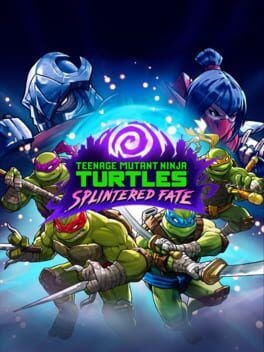

The mutant arctic fox Alopex slices into TMNT: Splintered Fate with a paid DLC character pack and a meaty free update. Here’s how she plays, what the new artifacts and challenge mutators add, and why this brawler‑roguelike has quietly become one of the best Hades‑style indies on Switch.
Alopex Joins The Fight
Teenage Mutant Ninja Turtles: Splintered Fate has been building a solid reputation on Switch as “Hades with Turtles,” but the new Alopex DLC feels like the moment it fully steps into that role. Super Evil Megacorp has added the mutant arctic fox as a paid character across platforms, alongside a generous free update that deepens the roguelike loop for everyone.
Alopex is more than just another skin in the roster. She is the game’s first playable female fighter, pulled from the IDW comics, and her kit pushes Splintered Fate’s combat into a much more aggressive, assassin‑style space.
How Alopex Plays Compared To The Turtles
If the core four Turtles are variations on chunky brawler archetypes, Alopex is built for speed, spacing, and precision. The brothers tend to read as slightly different flavors of frontline bruiser. Leonardo is the balanced all‑rounder with wide arcs and strong defensive options. Raphael leans into high‑risk, high‑reward melee. Donatello plays mid‑range with staff reach and crowd control, while Michelangelo thrives on mobility and hit‑and‑run pressure.
Alopex cuts across that spectrum. She fights with dual kama, which immediately changes the rhythm of engagements. Her basic strings come out faster than the Turtles’ and reward constant repositioning rather than holding a lane and trading hits. Where the boys often bulldoze through a room, Alopex darts around it, carving through priority targets and slipping out before counterattacks land.
The signature invulnerability move she gains when surrounded by multiple enemies is the lynchpin of this style. With the Turtles, survival often comes from blocking, dashing, and stacking defensive artifacts. With Alopex, you are encouraged to wade into danger, bait enemy clusters, then trigger the window of invulnerability to keep your combo going instead of backing off. She functions almost like a rogue‑assassin build baked into a single character, asking you to treat proximity as a resource instead of a threat.
Her kit meshes especially well with Splintered Fate’s elemental and ninja power systems. High‑frequency attacks mean she can apply elemental effects and status procs at a rapid clip, turning on builds where things like bleed, burn, or shock stack faster than the Turtles can manage. In practice, that makes her feel closer to the kind of high‑tempo Hades weapon aspects that snowball hard once you understand their risk profile.
Narratively, she also brings a different perspective to the story runs. Her history as a former Shredder assassin and her complicated relationship with Karai give her runs a tone that is more personal revenge thriller than classic “save Sensei” heroism. That helps repeat clears feel fresher if you have already finished several campaigns with the Turtles and Casey.
New Artifacts And What They Do To The Roguelike Loop
Bundled with the Alopex DLC are five new artifacts that can drop into your runs regardless of which character you pick. Each one is tuned to play nicely with Alopex’s strengths but they add interesting wrinkles for the entire cast.
Items like the Polar Bear Netsuke and Hot Cocoa skew toward survivability and sustain, which lets Alopex stay in the danger pocket longer without instantly crumpling. On certain Turtles, those same boosts turn already tanky builds into freight trains that can afford to take bad trades during messy waves.
The Maltese Hamster and Channel Six Mini Camera lean more into utility and reward management. They influence payout, room rewards, and how quickly you can ramp a build, which matters a lot in a game where each run lives or dies on how fast you reach your “broken” combination of powers. For Alopex, who benefits enormously from early power spikes, these artifacts can be the difference between a glass‑cannon run that never quite comes together and a deathball assassin that shreds bosses.
The standout is Buddy the Wraith, an “alien pal” who joins your run as a kind of persistent companion. For a game that already borrows the feeling of Hades’ god‑blessed builds, having an extra entity floating around dealing damage or providing utility pushes things closer to that unpredictable, synergy‑driven feel. On the Turtles, Buddy smooths out weak early games. On Alopex, he relieves some pressure to handle every crowd solo so you can focus more on target prioritization.
Across the board, these artifacts deepen Splintered Fate’s meta without overwhelming it. Early on, the game felt like a clean but somewhat straightforward brawler‑roguelike. With each DLC and update the artifact pool has grown into something closer to a “buildcraft toy box,” and the Alopex set is a clear sign the developers are designing items that encourage distinct playstyles instead of raw stat sticks.
The Free Update: Pepper Challenges, Ninja Ranks, And New Rooms
You do not need to buy Alopex to feel this patch. The free update lands alongside the DLC and meaningfully improves the core loop on Switch.
The headliner is a fresh batch of Pepper challenges in Arcade mode. These short, focused objectives act as curated mutator runs built around specific twists. Rather than just “harder enemies,” they remix room types, objectives, and modifiers to highlight parts of the combat system that are easy to ignore in standard play. It is the sort of structure that Hades uses with Heat levels and Pact conditions, gently nudging you into experimenting with new weapons and builds.
Ninja Ranks layer a longer‑term progression track on top of your repeated runs. Where Splintered Fate initially leaned on straightforward unlocks and permanent stat boosts, ranks give you a clearer sense of mastery to chase across the entire roster. They work both as a soft skill check and as a reason to revisit characters you might have benched once their basic upgrades were done.
New combat rooms round out the update. More room layouts and encounter scripts matter a lot in a top‑down roguelike. Splintered Fate’s combat is all about reading enemy waves and using the generous dash and combo tools to control space. When you have seen a layout dozens of times, your decisions become autopilot. Fresh room variants reintroduce that initial uncertainty that makes the game engaging and keeps co‑op runs from feeling samey.
Taken together, the free additions function like a mini expansion to the core loop. Even if you never buy a single DLC character, your nightly “one more run” habits get more varied pressure, more carrot‑on‑a‑stick goals, and more interesting decision points on the way to Shredder.
Why Splintered Fate Quietly Became A Top‑Tier Hades‑Style Indie On Switch
When Splintered Fate landed on Switch it was easy to write it off as a solid licensed spin on Supergiant’s template. Since then, a steady drumbeat of updates, new characters, and balance passes has turned it into one of the more robust action roguelikes on the system.
A big part of that is how well it translates Turtles co‑op energy into a Hades‑like structure. Local and online co‑op runs are chaotic in the right ways, turning each arena into a storm of elemental powers and tag‑team combos. The progression curve is generous enough that friends of different skill levels can jump in without the weaker player dragging the run down, something many indie roguelikes struggle with.
The buildcraft has also matured. Early criticism often described the game as fun but a little simple compared to genre leaders. Successive waves of artifacts, power tweaks, and DLC characters such as Casey, Metalhead, and now Alopex have filled in those gaps. There are now enough distinct synergies that experimenting feels rewarding instead of perfunctory.
Performance improvements and platform‑specific tuning have helped the Switch version too. Frame drops were a sore spot at launch, and while it is not perfect, the current build feels noticeably smoother, particularly in handheld play where this kind of “just one more run before bed” game thrives.
Finally, the way Super Evil Megacorp leverages the TMNT license counts for a lot. Splintered Fate has the breezy, quippy tone you want from a Turtles story, but it respects the roguelike format enough to let its narrative breathe over dozens of attempts. Adding a deeper cut character like Alopex, complete with her own arc and combat identity, is exactly the kind of fan‑forward, systemically interesting move that keeps a roguelike alive long after launch.
With the Alopex DLC and the latest free update, Splintered Fate is no longer just “that Turtles Hades‑like that turned out better than expected.” On Switch, it is now one of the strongest picks in the genre, especially if you are looking for something you can play solo tonight and then bring to a full couch of friends this weekend.