
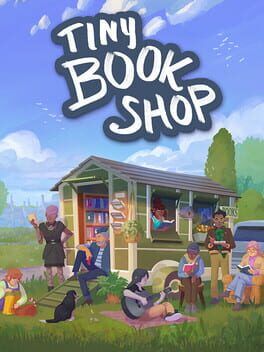

How running a seaside book van, chatting with locals, and slow‑rolling your business made Tiny Bookshop a 2025 cozy favorite on PC and Switch – and why the PS5 version looks like the best way to play it on console.
Tiny Bookshop was one of 2025’s quiet success stories on PC and Switch, a game that spread almost entirely through screenshots of pastel sunsets and players waxing lyrical about fictional paperbacks. Now it is rolling its tiny van into PlayStation territory, with a PS5 release set to bring one of the coziest management games of the year to a new audience.
In a sea of farming sims and life‑schedulers, Tiny Bookshop stands out by narrowing its focus to a single, very human fantasy. You are not saving the world or building a franchise empire. You are just the new owner of a secondhand mobile bookshop, parking up in a sleepy coastal town and trying to figure out which dog‑eared paperback will make someone’s day.
A day in the life of a seaside bookseller
Tiny Bookshop’s daily loop is simple, but it has layers if you want to dig in. Each morning begins in your modest base of operations, where you sort through crates of secondhand books and decide what is going on the van’s shelves. Every book has a genre and sometimes a more specific theme, and you only have so much room, so curating your stock becomes a quiet little puzzle.
Maybe you remember that the fishermen down by the pier keep asking about sea stories and mysteries. Maybe the schoolyard is full of teens hunting for fantasy epics and romance. You lay out your inventory accordingly, slotting paperbacks onto displays and watching the shop’s overall mood and variety stats adjust. There is no spreadsheet deluge here, just tactile selection that nudges you to think like a bookseller.
Once stocked, you choose where to park the van. Different spots around Bookstonbury attract different crowds and unfold different vignettes. The promenade might mean tourists drifting in with no clear idea what they want. The community garden draws regulars looking for nature writing and poetry. Over time you learn each location’s rhythms, and part of the pleasure is matching shelves to scenery, then seeing if your hunch pays off.
When you open the hatch for the day, the pace stays gentle. Customers wander in and strike up conversations, and you respond with book recommendations drawn from what you are currently carrying. There are no timers pushing you to hurry through dialogue. Instead you read what a character is going through, then try to pair them with a fitting story. A homesick student might leave clutching a travel memoir. A retired sailor might light up at a dog‑eared adventure classic. If you do well they remember you, unlock new dialogue, and sometimes nudge you toward side errands or new stock opportunities.
Closing time is for reflection. You count up your modest earnings, see which genres sold well, then unwind by reorganizing the van or decorating your little corner of the world. Tiny furniture purchases, new signs, and cozy lighting slowly turn your bookshop into a reflection of you. Then it is off to bed, ready to tweak your inventory and route again tomorrow.
Exploring Bookstonbury one page at a time
What keeps that loop from feeling mechanical is the town itself. Bookstonbury is a compact, walkable coastal settlement where almost every bench and back alley hints at someone’s story. You do not just teleport between locations. You stroll along the waterfront, past pastel houses and gulls circling the pier, chatting with locals and soaking up ambient details.
Seasons roll by as you play, subtly shifting the mood of the town. Rainy days see fewer beachgoers but more locals ducking into your van for something comforting to read. Summer evenings stretch out, the sky glowing while you stay open a bit later to catch the festival crowd. Several reviews picked up on how grounding this feels. One PC player described the game as “a little seaside novella where the weather and the people slowly turn into a routine you actually look forward to.”
Side stories and character arcs crop up as you keep showing up to the same spots. You might help a nervous writer build confidence, nudge a lonely pensioner into joining a book club, or track down out‑of‑print titles for an eccentric collector. None of it is high drama, but it all adds up to what one Switch reviewer called “a quiet, wandering narrative that makes you miss having a local indie bookshop.”
There is no fail state in Tiny Bookshop. You can make less money one day or misjudge the crowd’s taste, but the worst thing that happens is you learn a preference and try again tomorrow. That lack of looming consequence is exactly what many cozy players latched onto. A PC reviewer summed it up neatly, saying, “Tiny Bookshop is the first management game I have played that never punished me for playing slowly. It just waited for me to care.”
Why it became a cozy favorite on PC and Switch in 2025
When Tiny Bookshop hit PC and Switch in August 2025, it slid into an already crowded cozy space. Yet it quickly carved out a niche, largely through word of mouth from players who felt the game captured the emotional side of bookselling more than the logistics.
Several reviewers highlighted the game’s tone. One described it as “less about min‑maxing profits and more about being a good neighbor,” while another called it “a love letter to secondhand bookshops and the people who haunt them.” Instead of expanding into a massive chain, you are always a small, slightly scruffy van by the sea. That modest scope keeps the game from bloating over long sessions, and it makes every new decoration or returning customer feel meaningful.
The art and sound design did a lot of heavy lifting too. Soft, painterly backgrounds and warm interior lighting give Bookstonbury the feel of a watercolor postcard, while the soundtrack leans on gentle guitars and sleepy seaside ambience. More than one Switch review mentioned playing primarily in handheld mode before bed, describing it as their “wind‑down ritual” or “evening reading session, but interactive.”
Crucially, Tiny Bookshop respects the fantasy of reading. Customers talk about how certain stories changed their lives or helped them through rough patches, and the way you pair them with books carries a hint of responsibility. A PC critic praised this vibe, saying, “it made me want to read more in real life,” and Metacritic’s summary echoed that sentiment, calling it “a unique sales simulator that not only encourages you to learn about books but also perhaps encourages new readers.”
Because the game avoids punishing systems or hard fail conditions, it also resonated with players who usually bounce off management sims. A cozy gaming blogger put it this way: “I am terrible with numbers and anxiety, and Tiny Bookshop never once overwhelmed me. It let me care about vibes, not margins.” Between that low‑pressure design and the approachable price, it is not hard to see why Tiny Bookshop quietly became a fixture of 2025’s cozy discourse.
What PS5 players can expect
With the PS5 version, Tiny Bookshop is not reinventing itself so much as settling into a new, more comfortable chair. The core flow is unchanged. You will still be sorting books, picking parking spots, chatting with locals, and rearranging your van between days. But the move to Sony’s hardware comes with some thoughtful tweaks that should make the experience feel especially at home on a couch.
Controller support is a major focus. On PC, mouse controls worked well for dragging books onto shelves and clicking through dialogue, but on console players expect a more relaxed, thumbstick friendly feel. The PS5 release refines this by snapping the cursor smartly between shelf slots and menu elements, so you rarely have to wrestle with precise positioning. Navigating your inventory feels closer to flipping through a tidy card catalog than dragging icons around.
The DualSense controller adds its own low key flavor. Haptic feedback gently underscores actions like opening the van’s hatch, turning pages in in‑game menus, or confirming a sale. It is not a fireworks show, more a subtle texture that makes each day feel tactile. When you drive the van to a new spot, a mild rumble as you roll over cobblestones helps sell the fantasy of physically inhabiting this tiny business.
On the UX side, interface text and menu layouts have been reworked for TV play. On Switch in handheld mode, some critics noted that smaller text could be a strain during long sessions. PS5 addresses this with cleaner font scaling and clearer contrast, along with simplified radial menus for common actions like opening the shop, checking daily goals, or swapping decorations. It is the same information, just presented with more breathing room for living room setups.
The PS5 port also folds in the quality of life updates that arrived post‑launch on PC and Switch. That means smoother day transitions, slightly more generous hints when a customer is being cryptic about what they want, and extra decorative items to personalize both your van and the small spaces you operate in. Veteran players called these additions “small but meaningful touches” that made returning to the game feel fresh without upsetting its relaxed balance.
Content wise, the PS5 edition arrives after months of tuning based on player feedback. Expect a better paced introduction that gets you into the core loop faster, more varied customer archetypes so conversations do not repeat too quickly, and seasonal events that gently reshape the town over time. Several late‑2025 reviews praised the updated version for feeling more alive. One critic remarked that “by the time the leaves started changing, Bookstonbury felt like a place I did not want to leave.” That is the version PS5 owners are stepping into.
Finally, performance and visuals benefit from the hardware bump. Load times between locations are effectively instant, and the higher resolution makes every little book cover, sticker, and string of fairy lights pop. Played on a big screen with a DualSense in hand, Tiny Bookshop starts to feel less like a management sim and more like walking around inside the kind of illustrated children’s book you would recommend to a homesick kid in your van.
Setting expectations for new cozy readers
If you are eyeing Tiny Bookshop on PS5, it is worth knowing what the game is not. It is not a sprawling, 100 hour life sim packed with crafting systems and combat. It is also not a hardcore business simulator where a wrong decision can spiral into bankruptcy.
It is, instead, a compact, reflective experience about showing up every day for a small town, learning its tastes, and quietly making a living surrounded by stories. That is exactly what made PC and Switch players so protective of it in 2025. As one reviewer put it, “Tiny Bookshop does not want to be your main game. It wants to be the little paperback you keep by the nightstand and reach for when you need something gentle.”
On PS5, with its refined controller support, cozier TV friendly interface, and polished post‑launch content, it looks poised to become exactly that. For cozy fans looking for a game that is all about people, place, and the simple pleasure of handing someone the right book at the right time, Tiny Bookshop might be the next title you shelve in your permanent library.