
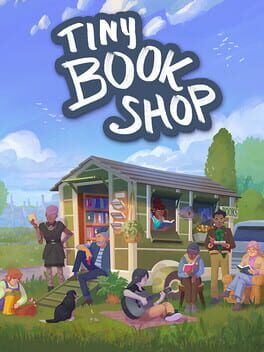

The seaside storefront sim brings its slow, story-first cozy vibes to Xbox, PlayStation and Game Pass. Here’s how Tiny Bookshop works, who it’s for, and why Game Pass might turn it into the next breakout comfort hit.
Tiny Bookshop has quietly opened its doors on Xbox and PlayStation, with an especially notable stop on Xbox Game Pass and PC Game Pass. After earning a loyal following on PC and Switch, neoludic games’ seaside shop sim is now sitting right alongside the big-budget crowd on console libraries. Its pitch is deceptively simple: you leave your old life behind, tow a tiny second-hand bookshop to a sleepy coastal town, and try to make a living one recommendation at a time.
Where a lot of management games chase exponential growth and endless optimizations, Tiny Bookshop is more interested in mood than margins. It asks what it feels like to run a place that matters to people, not just to a spreadsheet. On console and Game Pass, that cozy focus lands in a marketplace suddenly overflowing with soft colors and soft edges, which makes the game’s specific take on “cozy” more important than ever.
At its core, Tiny Bookshop is about a repeating day-to-day loop that trades anxiety for quiet routine. Each morning you plan your little operation. You choose which books to stock in your wagon, weighing genres, conditions and prices. Your inventory is limited, so picking whether to bring more children’s stories, classic literature or niche non-fiction matters. You slowly learn which parts of town favor which kinds of customers, and you adjust your crates accordingly.
Once you roll into one of Bookstonbury-by-the-Sea’s scenic spots and open up, the tone shifts from planning to presence. The stall itself becomes a tiny diorama filled with books, plants, lamps and keepsakes you’ve collected. These items are not just cosmetic. The way you decorate nudges who stops by and how they respond to the space, whether you turn your stand into a quiet reading nook or a more bustling market stall. Instead of juggling timers and meters, you are reading the room and reacting.
Customers wander in with their own small problems and preferences. A regular might be looking for comfort after a rough week, a tourist could want a perfect holiday read, and a local kid might be searching for their next obsession. Conversations are short but warm, and the choices you make in recommendations help shape how those characters see your shop and, in some cases, themselves. This is not high drama, but it is personal. The town slowly reveals itself through these interactions, giving you a sense that you are stitching yourself into the community one sale at a time.
After closing up, you tally the day’s takings, but the bookkeeping is deliberately simple. Profit matters mostly because it lets you restock and decorate. There is little of the pressure you might feel in a pure business sim. You are not scrambling to hit quarterly goals or fend off bankruptcy. Instead you are nudging your tiny shop toward a version of itself that feels right to you. The rhythm becomes soothing: plan, open, connect, close, reflect, repeat.
That loop speaks directly to the cozy-game audience that has grown around titles like Unpacking and A Short Hike. If you like the idea of inhabiting a small slice of everyday life, paying attention to atmosphere and personality more than to systems mastery, Tiny Bookshop is built for you. It is single player, fully offline and paced to be enjoyed in short sessions, perfect for players who want something to unwind with after work or to curl up with on a weekend afternoon.
It also stands out within the current cozy market because of its specific premise. There are plenty of farming sims, homestead builders and café games, but second-hand bookshop management remains surprisingly rare. Books give the game a natural excuse to explore taste and identity. When you stock your stall, you are effectively curating a tiny culture for the town. Selling a dog-eared sci-fi paperback to a teenager or a battered romance novel to a lonely regular feels different than handing over a generic resource or latte. The objects carry implied histories, and the narrative leans into that.
The seaside setting helps too. Bookstonbury-by-the-Sea is less a checklist of things to do and more a place to inhabit. Soft lighting, coastal soundscapes and small environmental details sell the fantasy of starting over in a quieter corner of the world. Rather than trying to dazzle with spectacle, the console versions embrace that slim focus. On a big TV, the game looks like a living postcard where your little wagon is always the centerpiece.
Another thing that separates Tiny Bookshop from many of its peers is its treatment of capitalism. The developers frame the game as a kind of post-capitalist future, where your goal is not to dominate a market but to carve out a humane, sustainable niche. You are not chased by late-game bloat or endless expansion. The stakes feel intentionally low, which may frustrate players who want heavy strategy, but it is exactly what makes the game appealing as a cozy refuge.
Day-one availability on Xbox Game Pass and PC Game Pass could be pivotal for a game this gentle. Cozy titles often rely on word of mouth, but getting players to take the initial risk can be hard, especially when store pages are saturated with pastel storefronts and cottage-core art. Being a subscription click away lowers that barrier dramatically. Someone browsing for “something relaxing” can stumble on Tiny Bookshop, try a single evening behind the counter, and then become one of the people recommending it to friends.
Game Pass also broadens the audience beyond the usual cozy strongholds on PC and Switch. Xbox players who might otherwise spend their nights on shooters or open-world RPGs now have a low-friction way to sample a quieter experience. TheXboxHub already positioned the game alongside Unpacking as a natural fit for players who appreciate smaller, more intimate stories. That kind of editorial framing, combined with the visibility boost of the Game Pass carousel, gives Tiny Bookshop a better shot at standing out than it might have had with a traditional console launch.
On PlayStation, the pitch is more straightforward. Without a subscription placement, the game will live or die on how well its vibe comes across in screenshots and trailers, and on whether cozy fans go looking for it. Still, console releases matter even when they are not tied to a service. For people who prefer the couch, gamepad support and a UI tuned for TVs turn the daily shop loop into something you can fall into before bed, as naturally as picking up a book.
Whether Tiny Bookshop becomes a breakout hit or remains a cult favorite will depend on how many players feel that pull toward smaller stakes and softer stories. What is clear from its console and Game Pass debut is that it understands its own appeal. It is not a power fantasy or a puzzle box of systems. It is a small place to return to, filled with fictional books and very real feelings, where solving someone’s reading problem can feel like the most important thing in the world for a few quiet minutes at a time.