
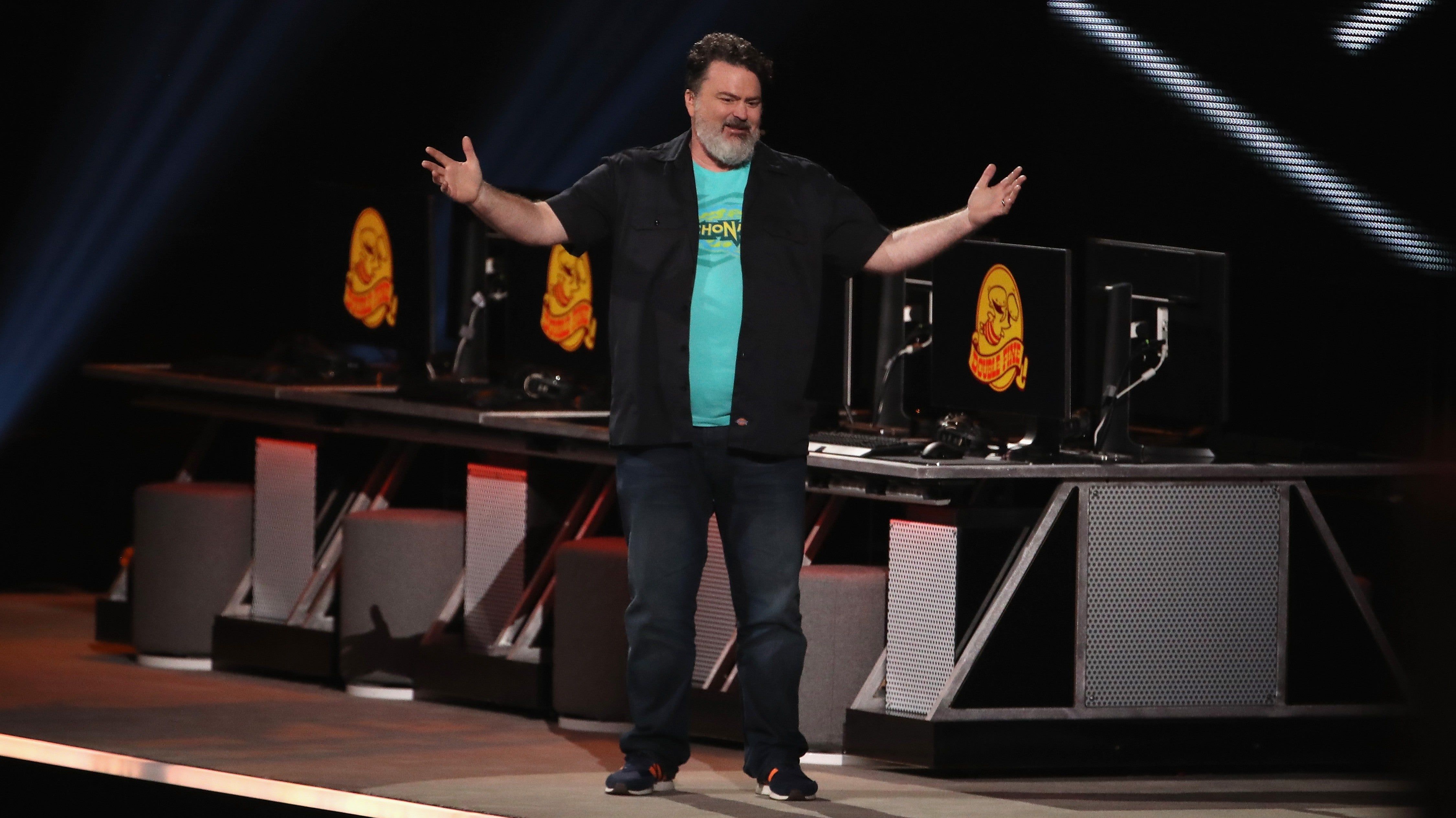
Tim Schafer still wants Xbox Game Pass to work after Double Fine’s split from Microsoft, but his comments underline the pressure on indie studios after Xbox’s reset.
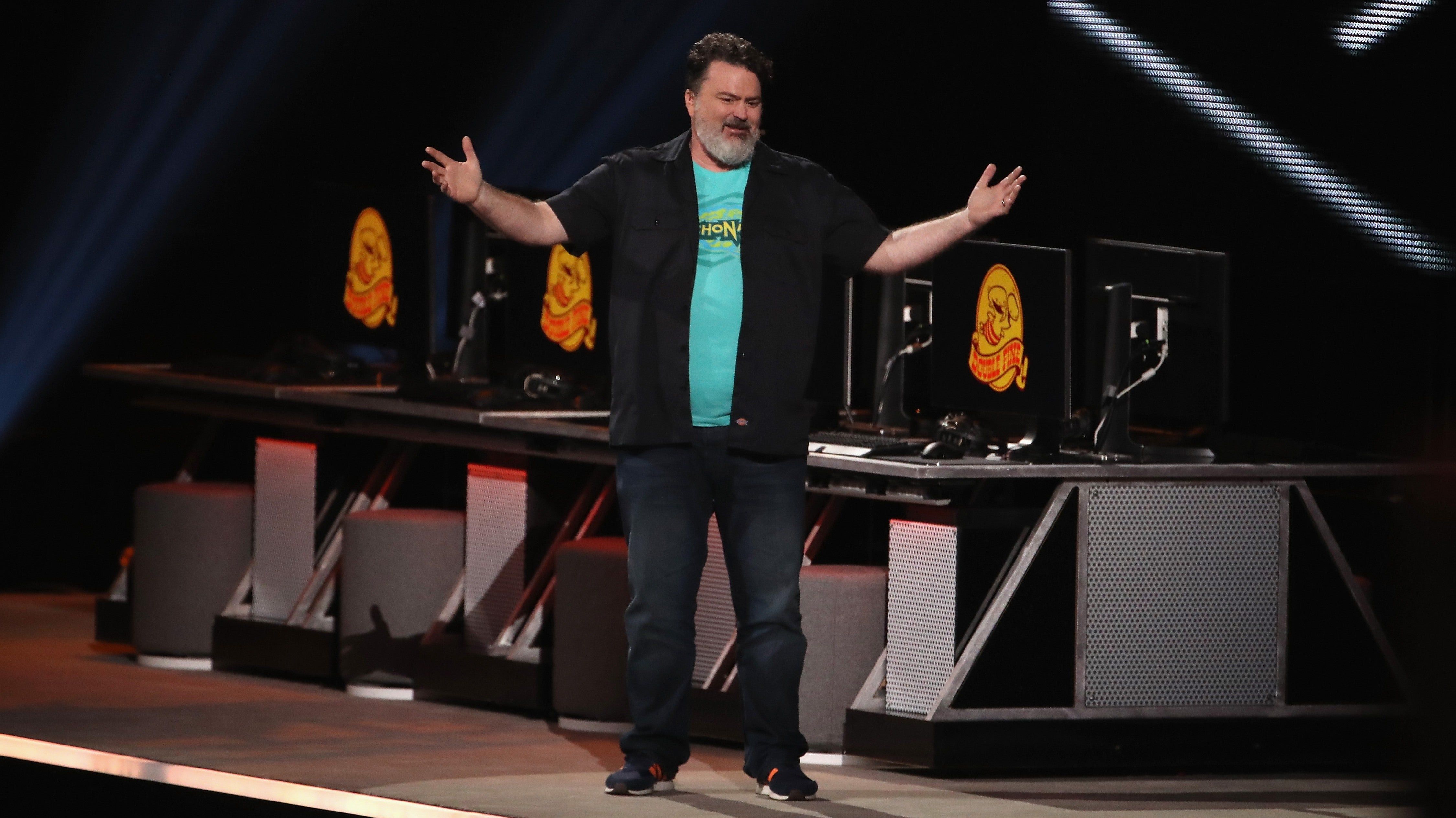
Image: ign.com
Schafer still backs the idea, even after Double Fine left Xbox
Tim Schafer’s most useful comment about Xbox Game Pass arrived after Double Fine no longer had to defend it as an internal Microsoft studio. Speaking to IGN at PAX West 2026, the Double Fine studio head and president said, “I really want Game Pass to work,” while explaining why a subscription model still makes sense for studios that build stranger, harder-to-sell games.
That timing is the story. IGN framed the interview around Double Fine’s return to independence after what it described as the biggest restructure in Xbox history. DualShockers reported that Xbox’s July downsizing included layoffs affecting 1,600 employees and the return of ownership of Double Fine and Compulsion to their founders. Pure Xbox likewise described Double Fine as having left Xbox Game Studios and transitioned into an independent company.
Schafer’s defense of the model is therefore not a platform-holder talking point. It is a post-exit assessment from a developer whose studio spent seven years inside Microsoft, benefited from the company’s investment, then parted ways when priorities changed. For anyone tracking Microsoft gaming strategy, that makes the remark sharper than a routine Game Pass quote. Schafer is saying the design logic of the service still fits a studio like Double Fine, even if the business outcome has not matched the promise.
The indie case for Game Pass is still clear on paper
Schafer’s argument, as quoted by IGN and Pure Xbox, is simple: subscription access can lower the barrier to entry for unusual games. He said Double Fine wants to make “weird and creative” work that players might not understand at first. A player who hesitates at full price may still try a game that is already included in a subscription library.
That is the cleanest pro-Game Pass case for indie and mid-sized studios. Discovery is expensive, genre labels are blunt, and experimental art direction can be a sales risk. Schafer described the kind of game whose key art makes people pause and ask what they are looking at. In a store-first economy, that uncertainty can stop a purchase. In a subscription economy, curiosity has a lower cost.
This is where Tim Schafer Game Pass comments land differently from the usual platform debate. Schafer is not arguing that every studio should depend on subscription revenue, nor does the provided source material include any disclosed Game Pass deal terms for Double Fine. He is defending the player-behavior theory behind the model: if the upfront purchase decision is softened, more people may sample work outside the safest commercial lanes.
For Xbox Game Pass indie games, that has always been the strategic pitch. The service can operate like a playable storefront, giving smaller or stranger releases a path to attention without asking every player to become an instant buyer. Schafer’s continued belief in that structure shows why developers have found the model attractive, even as Microsoft’s wider gaming reset has made the economics feel less settled.
The unresolved problem is that Schafer cannot explain the gap
The tension in Schafer’s comments is that he still likes the Game Pass model while openly admitting he does not understand why it has not worked better. Pure Xbox quoted him saying, “I don’t understand why Netflix worked and Game Pass didn’t,” adding that this is something he does not know enough about. DualShockers also highlighted his uncertainty over why Game Pass has not achieved the kind of consistent success associated with Netflix.
That distinction matters. Schafer is not presenting himself as a subscription-economy analyst with access to Microsoft’s internal numbers. He is speaking from the studio side, where lower friction and broader access look appealing. The missing piece is whether that access produces enough money, enough long-term audience value, and enough predictability to support studios over multiple projects.
DualShockers characterized Xbox after the July changes as a brand facing floundering game sales, hardware sales, and Game Pass subscriptions. The provided material does not include Microsoft’s own figures or a new corporate statement confirming that characterization, so it should be treated as DualShockers’ assessment rather than a fresh disclosure from Microsoft. Still, Schafer’s own phrasing supports the broader uncertainty: he likes the model, but Double Fine is now taking another approach.
That is the strategic contradiction. A subscription can help players try unfamiliar games, but if the platform’s priorities shift, an independent studio needs a plan that does not rely on a single gatekeeper’s budget cycle. Schafer’s comments are valuable because they hold both ideas at once: Game Pass can be good for discovery, and Double Fine still has to rebuild a path outside Xbox.
Double Fine’s Microsoft years ended with praise, not a scorched-earth split
Schafer did not describe Double Fine’s time under Microsoft as a mistake. Pure Xbox quoted him calling it “a really great experience overall,” saying Microsoft invested a lot in the company and that the partnership worked while Microsoft’s mission was aligned around supporting Game Pass and other projects. According to the same report, Schafer said “their goals changed,” and the companies parted ways because of that.
That framing is important because it separates the human and creative value of the Xbox years from the corporate decision that ended them. Schafer credited the period with giving Double Fine access to other Xbox teams, including Compulsion, Ninja Theory, Obsidian, and inXile, with programmers exchanging ideas and technology. Pure Xbox described him as calling that studio network a “really great learning experience.”
For Double Fine Xbox watchers, the lesson is less about betrayal than alignment. A studio like Double Fine can fit well inside a platform strategy built around breadth, creative variety, and subscription value. If the platform holder resets priorities, that same studio may become less central even if the relationship was productive.
That is the long-game read. Microsoft acquired creative studios during a period when Game Pass needed identity and volume. Schafer’s account suggests Double Fine could serve that mission. Once Xbox’s goals changed, independence became the better board position. The piece that remains uncertain from the source material is exactly how Microsoft now values that class of idiosyncratic studio within its post-reset strategy.
Independence changes Double Fine’s economy immediately
IGN reported that Double Fine’s current Kickstarter is centered on Amnesia Fortnight 2026, a developer-run game jam where new micro games are produced. Schafer told IGN that returning to independence has been “exhilarating” and scary because the studio has to make its own way again, while noting that Double Fine did that for 19 years before Microsoft.
He also gave a blunt read on the funding environment. In IGN’s interview, Schafer said “a lot of the old avenues we used for funding are gone,” while adding that new ones exist and that Double Fine is putting itself out there, meeting people, and talking about who wants to make games with the studio. IGN described the Kickstarter as giving the team runway while it plans its next major project.
That is the practical shift for a Double Fine independent future. Under Microsoft, the studio was part of a portfolio strategy. Outside Microsoft, it returns to a mixed model of community support, pitching, lower pricing, and project-by-project financing. Schafer tied that directly to the Game Pass discussion by saying there are other ways to reach people, including lowering prices and making games affordable.
Pure Xbox reported that Double Fine has also been active around Kiln, including a major update and a permanent price drop, and has revealed a “Thank You Bus Driver” game tied to its current post-Xbox activity. The provided material does not give enough detail to treat those as substitutes for a full production slate. They do, however, fit the immediate pattern Schafer described: build runway, keep the community engaged, and make entry points affordable while the studio searches for the next large funding path.
The player guidance: follow the studio, but do not assume Game Pass access
For players, the safest reading is straightforward. Schafer still likes the idea of Game Pass, and he thinks it can help people try odd, creative games. But the provided sources do not confirm that Double Fine’s next major project will launch on Xbox Game Pass, nor do they provide a release window, platform list, price, or publisher for that project.
What is confirmed is Double Fine’s status change and its near-term independent activity. IGN says the studio is newly independent, running another Amnesia Fortnight Kickstarter, and using that campaign to create runway for future planning. Pure Xbox says Double Fine has left Xbox Game Studios, has discussed its Kickstarter work, and has continued updating or revealing smaller projects after the split.
That means fans should separate affection for the old Double Fine Xbox relationship from buying assumptions. Psychonauts 2, Kiln, and Keeper are named by IGN as part of the studio’s recent identity, but the sources here do not lay out a new distribution strategy for Double Fine’s next major release. If Game Pass support happens later, it will need confirmation from Double Fine, Microsoft, or a store listing.
Schafer’s comments still serve as a useful check on the indie value of Game Pass. The model’s best argument remains access: it can make players more willing to try work that would struggle under a pure full-price impulse test. Its open question remains sustainability: if the service cannot reliably anchor a studio’s future, developers need pricing, community funding, and publishing options beyond the subscription. Double Fine’s next phase will be an unusually clean test of that balance, because the studio has lived on both sides of Microsoft’s wall.