
Telltale’s neon noir sequel finally steps back into the spotlight. Here is how The Wolf Among Us 2 has changed, what its new UE5 look brings to Fabletown, where it is headed in 2027, and what it might mean for the entire episodic adventure genre.
Bigby is back: the new setup for Fabletown
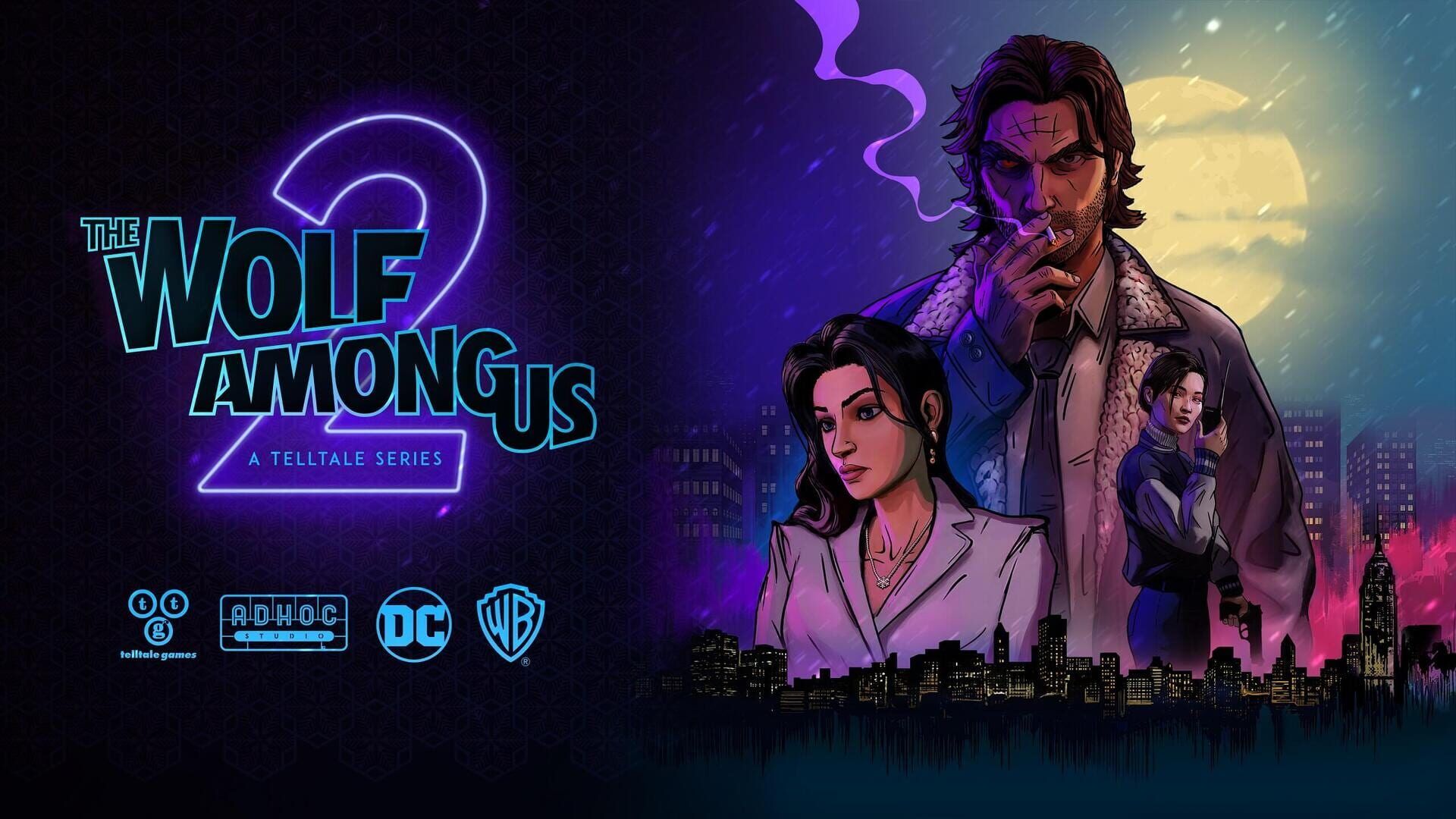
After years of silence and a near total studio collapse, The Wolf Among Us 2 has reemerged at Summer Game Fest as a proper sequel rather than a relic of a lost era. Telltale and partner PM Studios are pitching it as a dark neon noir thriller that picks up after the events of the first season, with Bigby Wolf once again caught in a conspiracy that threatens the fragile peace inside Fabletown.
The new story trailer focuses less on shock twists and more on tone. Fabletown still hides fairy tale exiles inside a grimy, modern New York, but the sequel leans harder into urban paranoia. Bigby’s investigation spirals across both the mundane and the magical, and the trailer hints at a case that pulls him into conflicts between Fable factions instead of just chasing a lone serial killer. The sense of Bigby as both sheriff and barely contained monster remains the emotional hook, with dialogue teasing the same kind of moral tightrope choices that defined the first game.
Telltale has confirmed that The Wolf Among Us Remastered is on the way for holiday 2026 specifically so new players can catch up before the sequel. That makes it clear the team is treating this as a direct continuation of Bigby’s story rather than a soft reboot.
A sharper neon noir: how UE5 reshapes the look
The original Wolf Among Us pushed Telltale’s old tech to its limit just to deliver thick outlines and moody purples. The sequel is built in Unreal Engine 5, but it is not suddenly chasing realism. Instead, UE5 is being used to push a more expressive comic book aesthetic with modern lighting and animation.
The new trailer is drenched in neon signage and sickly streetlights, with reflections across wet asphalt and dirty windows that were beyond the old engine. Character models preserve the stylized, angular look of Fabletown’s residents but benefit from more nuanced facial animation and body language. Bigby’s transformations in particular look weightier and more dynamic, which matters for a series where player choice is often expressed through how far you let the wolf off the chain.
Animations appear smoother and more cinematic than the stiff puppet theater feel that became a running joke in older Telltale titles. Camera work leans into long tracking shots and bolder framing. This should help the game’s many dialogue heavy scenes feel more like interactive television and less like static shot reverse shot conversations.
The key is that none of this abandons the identity of the original. Fabletown still looks like a dirty, neon soaked graphic novel. It now just has the technical headroom to sell that fantasy consistently without hitching and low resolution textures breaking the mood.
A troubled journey: development history and rebirth
To understand why the new reveal matters, you have to look at how unlikely it is that The Wolf Among Us 2 exists at all.
The sequel was originally announced back in 2017 under the old Telltale Games, only to be cancelled when that company abruptly closed in 2018. When LCG Entertainment acquired Telltale’s assets, The Wolf Among Us was one of the few properties called out as a priority for revival. Development restarted with key narrative talent regrouped at AdHoc Studio, many of whom worked on the original game.
Early on the team talked about wanting to avoid crunch and rethinking Telltale’s famously rigid episodic pipeline. Production then shifted from Unreal Engine 4 to Unreal Engine 5, pushing the release back again. A full delay announcement followed in 2023 as the studio admitted it needed more time to hit the quality bar and stick to healthier development practices.
The new Summer Game Fest reveal is the first time in years that The Wolf Among Us 2 has looked like a fully alive project instead of a name on a slide. The trailer presents finished scenes, polished UI, and a confident tone. Multiple outlets report that Telltale is now targeting a 2027 launch window, with work continuing steadily rather than in stop start bursts.
The long road has had one upside. Tech has caught up with the team’s ambitions, and the market has had time to miss this kind of game. The risk is that after such a protracted development, expectations around writing quality and choice payoff are extremely high.
Platforms and release plans
Current messaging from Telltale, PM Studios, and recent trailers points to a focused platform lineup. The Wolf Among Us 2 is set for PC through both Steam and the Epic Games Store, along with current generation consoles like PlayStation 5 and Xbox Series X|S. Some databases also list PlayStation 4 and Xbox One, but marketing so far leans toward a new gen first approach.
Equally important is how the story will be delivered. The Wolf Among Us 2 is still planned as an episodic adventure. Rather than shipping as a single season all at once, it will release in multiple episodes similar to the first game. Telltale has not nailed down exact cadence yet, but the studio is well aware of how painful long gaps between episodes can be.
There are hints that internal processes have changed. The team has talked in the past about wanting more of the season written and produced before the premiere episode goes live, both to reduce crunch and to keep players from waiting months mid cliffhanger. If Telltale can back that up with a reliable release rhythm, it can turn the episodic format from a liability into a selling point.
Is the episodic adventure genre ready for a comeback?
The Wolf Among Us 2 is arriving into a very different landscape than the one the first game helped define. In the early 2010s, Telltale’s model of digestible, choice driven episodes influenced everything from Life Is Strange to indie visual novels. By the end of the decade, fatigue had set in. Technical issues, weak late era seasons, and the collapse of the original Telltale brand all contributed to the perception that this specific formula had run its course.
Yet narrative adventures never went away. Instead they evolved into complete season packages like As Dusk Falls and Until Dawn style horror anthologies. Games such as Disco Elysium, Citizen Sleeper, and Pentiment proved that there is still strong appetite for text heavy, choice sensitive storytelling, just not necessarily packaged in monthly slices.
For episodic adventures to feel relevant again, three things have to happen.
First, the release schedule has to work for players. The original Wolf Among Us built enormous community momentum around each episode drop, but that energy evaporates if the gaps stretch too long. A clear roadmap, transparent communication, and consistent delivery could restore that feeling of shared, live story speculation.
Second, choices need to matter beyond colored dialogue. Players are more literate about branching design in 2026 than they were in 2013. Competitors like Supermassive’s games, Baldur’s Gate 3, and even smaller indies have raised expectations around reactivity. The Wolf Among Us 2 will have to offer more meaningful permutations in how Bigby’s relationships and the political state of Fabletown evolve across the season.
Third, the production values need to feel contemporary rather than nostalgic. The move to UE5 and the visible improvements in animation go a long way toward that, especially when combined with the returning art direction that defined the original. If the game can pair that look with smooth performance and strong accessibility options, it can appeal to players who bounced off older Telltale titles for feeling dated or clunky.
The upside for Telltale is that the market is not saturated. Few studios are attempting tightly scripted, dialogue heavy episodic games at scale. If The Wolf Among Us 2 succeeds, it will not just prove that the Fables license still has pull, it will also show that there is room in today’s industry for TV style, chapter based storytelling.
What The Wolf Among Us 2 needs to get right
Given the long road back and the crowded field of narrative experiments, The Wolf Among Us 2 has a narrow but real path to becoming a landmark sequel.
It needs to lean into what made the original special. Bigby’s internal conflict, the morally compromised nature of Fabletown’s leadership, and the thrill of uncovering a twisted mystery in a familiar yet broken fairy tale world are still powerful hooks. The new conspiracy storyline and expanded focus on Fable politics can give returning players fresh angles on a world they already loved.
At the same time, it has to show that Telltale has learned from its past. That means ditching quick time event overload in favor of more thoughtful interaction design, giving choices nuanced payoffs across an entire season, and avoiding the rushed finales that plagued some of the studio’s previous series. If the writing can balance noir grit with flashes of dark humor and genuine warmth, it can stand shoulder to shoulder with the first season.
The reemergence of The Wolf Among Us 2 at Summer Game Fest signals that the project has moved beyond the vaporware stage. With a 2027 window in sight, a remaster of the original on the way, and a visual style that finally matches the series’ ambitions, Bigby’s return feels tangible.
Whether that will be enough to usher in a new era for episodic adventures will depend on execution. But for the first time in years, fans of story driven games have a reason to circle Fabletown on their calendars again.