
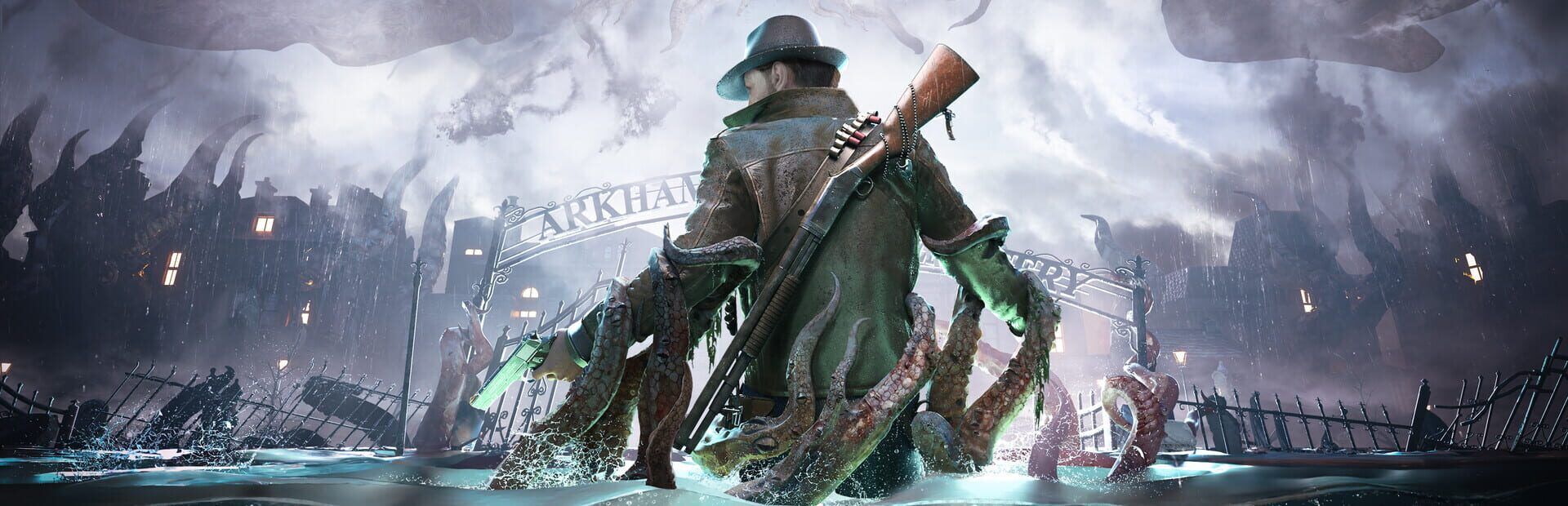

Frogwares’ Lovecraftian sequel pivots from open-world detective work to focused survival horror, and its first-hour Steam demo hints at a more confident take on cosmic dread ahead of its August 18, 2026 launch.
Frogwares has finally nailed down a release date for The Sinking City 2, with its Lovecraftian survival horror sequel arriving on 18 August 2026 for PC, PlayStation 5 and Xbox Series X/S. To go with the announcement, the studio has dropped a free Steam demo that lets you play roughly the first hour of the game, a tight vertical slice that gives a clear sense of how this follow up is evolving the original’s investigation-heavy formula into something nastier, leaner and more survival focused.
From open-world sleuthing to tight survival horror
The Sinking City from 2019 was ambitious and strange, a detective sandbox that had you cold reading clues, choosing suspects and navigating a drenched, half drowned city with very little hand holding. Its most interesting ideas were those investigation systems and the refusal to simply staple waypoints to every lead. Where it stumbled was scale. The open world diluted tension and repeated combat encounters flattened the horror.
The Sinking City 2 uses the same flooded Arkham backdrop and another troubled private investigator, Calvin, but the design philosophy feels much more precise. Levels are tighter, the camera is closer, and enemy encounters hit harder. Instead of roaming a large city grid in search of side cases, you push through carefully constructed spaces where every stairwell, boarded door and flooded basement seems tuned around line of sight and panic.
Investigation has not disappeared. Clue gathering, connecting scraps of information and making intuitive leaps are still part of the core loop, but now they sit inside a structure that constantly reminds you that you are prey. The result is less of an occult crime simulator and more of a survival gauntlet where every correct deduction earns you just enough breathing room to scrounge shells and bandages before the next horror shambles out of the dark.
How the investigation systems have changed
The original game’s case board and evidence review systems return in spirit, but the sequel appears to translate them into something faster and more pressured. You are still reading documents, examining crime scenes and piecing together timelines, but the friction comes from vulnerability rather than sheer complexity.
Instead of long citywide scavenger hunts, investigations are now embedded into compact environments that work almost like self contained horror vignettes. You might find a blood trail that leads through a partially submerged hallway, piece together what went wrong by matching written testimony to physical evidence, then choose how to proceed knowing that a wrong assumption might send you into a room you are not prepared to handle.
Importantly, the game seems to understand that deduction is more satisfying when it feeds directly into survival systems. Correctly interpreting clues can open safer routes, reveal hidden caches or let you avoid the worst combat encounters altogether. Where the first game sometimes treated detective work and monster fighting as parallel tracks, The Sinking City 2 is constantly weaving them together so that every bit of thinking has a tangible impact on whether you make it to the next safe room.
What the first hour Steam demo actually teaches you
The Steam demo drops you into Calvin’s nightmare early, establishing the tone and mechanics across a focused, roughly hour long scenario. It is clearly structured to teach rather than to surprise, but that framing works in its favor, because it quietly outlines what the full game is going to value.
The opening area shows how Frogwares now uses lighting and water to control pacing. Narrow interiors filled with knee deep floodwater limit your movement and drown out audio cues with sloshing footsteps. Flashlight cones become tools of both navigation and risk, giving you precious visibility at the cost of broadcasting your position to whatever is nesting in the shadows. From the start, the game tells you that vision, sound and space are systems to respect.
Resource scarcity is another lesson. Ammunition and healing items are painfully limited, with the demo nudging you to run, hide or sneak past threats rather than unload your revolver at every shuffling mass of tentacles. The combat that does occur is clumsy in the right way, making every shot deliberate and every missed bullet feel like a genuine mistake instead of a minor inconvenience.
On the investigative side, the demo introduces the process of reading environments for narrative and mechanical advantage. Simple tasks like checking a desk drawer or a pinned noticeboard often yield both lore snippets and practical leads. You get a sense for how the full game might reward players who slow down to interpret scenes, without dragging them through overlong deduction sequences. There are still choices about which conclusion to draw from competing explanations, which hints that branching outcomes and alternate routes will once again be part of the experience.
Taken together, that first hour tells you that The Sinking City 2 is less interested in being a free form occult tourism simulator and more focused on tight, replayable segments of escalating dread and problem solving. It feels like Frogwares has looked at what people actually remember from the first game’s best moments and rebuilt around those strengths.
Survival horror tools sharpened by setting
Arkham’s flooded streets and crumbling interiors are no longer just moody wallpaper. In the sequel they behave like a constant hazard that shapes how you move, fight and investigate. Water slows your sprint, masks threats and occasionally hides escape routes. Debris filled rooms and collapsing floors force you to make snap decisions about where to run when something bursts through a door behind you.
This environmental hostility works hand in hand with the renewed focus on survival mechanics. Stamina management, limited inventory space and improvised weaponry all encourage improvisation. That sense of fragility matches the cosmic horror tone better than the more action leaning gunfights of the original release, and the demo suggests Frogwares is interested in creating scenarios where you rarely feel truly safe even when the monsters are off screen.
Calvin’s role as a private investigator searching for his missing lover, Faye, also grounds the nightmare in something human. The demo does not dig deeply into their relationship, but the setup gives the sequel a clearer emotional throughline than the first game’s broader mythos mystery. Having a concrete person to save makes the investigative work feel more urgent and the survival choices more personal.
Where The Sinking City 2 sits in the 2026 horror landscape
By the time August 2026 rolls around, the horror calendar is looking crowded, with prestige remakes, returning giants and new indies all vying for attention. The Sinking City 2 will not compete on sheer scale or spectacle with the genre’s biggest names, and it does not appear to be trying to. Instead, its niche is that intersection of methodical investigation and systemic survival horror that very few studios are tackling at this budget level.
Compared with more cinematic, corridor driven horror, Frogwares’ approach leans into player agency and imperfect information. You are not just reacting to jump scares or following scripted set pieces, you are actively deciding which lead to chase, which room to risk and which piece of evidence to trust. That makes it a potential complement rather than a direct rival to the flashier entries in the 2026 line up, something to reach for when you want dread driven by your own decisions rather than strictly guided terror.
The Sinking City 2 also benefits from its distinctive Lovecraftian framing. Cthulhu inspired horror has been mined heavily over the past decade, but few games have combined that cosmic despair with grounded detective work and a war torn studio’s determination to ship something hand crafted and personal. The context of its development in Ukraine inevitably hangs over the project, and while that is not the focus of the game itself, it lends weight to Frogwares’ insistence on delivering a bleak, stubbornly human story about surviving in a city that is literally and metaphorically falling apart.
In a year where horror fans will have no shortage of options, the August 18 release date and free Steam demo put The Sinking City 2 in a strong position to build word of mouth early. If the rest of the game can maintain the tension, scarcity and sharpened investigation on display in its opening hour, Frogwares might finally have the breakout cult horror hit that the first Sinking City was reaching for.