

Julian Gerighty says The Division 3 is "shaping up to be a monster" with impact comparable to the first game. Here’s where the series stands after The Division 2 and Heartland, and the big questions the 2026 sequel must answer.
Julian Gerighty is not talking about The Division 3 very much yet, but the few words he has chosen are doing a lot of heavy lifting. During the recent New Game+ Showcase, the series’ executive producer described the next mainline entry as “shaping up to be a monster” and predicted it would have “as big an impact as The Division 1.” For a franchise that peaked with a breakout 2016 debut and then settled into a more modest but loyal audience with The Division 2, that is a bold line in the snow.
For now, Massive Entertainment’s shooter sequel exists more as a promise than a product. The Division 3 is officially in production at Massive with Gerighty overseeing the brand while also wrapping up Star Wars Outlaws. There is no release date, no confirmed platforms and no teaser of in-game footage. What Ubisoft is selling right now is intent. The studio wants players to believe it understands why the first Division landed so hard and that it is aiming for that level of impact again around 2026, when The Division 2’s gigantic Survivors update will mark a full decade since the franchise went online.
A "monster" with first-game ambitions
Gerighty’s “monster” comment is not specific about systems or features, but it does telegraph scope. He stresses that the team at Massive is working “extremely hard” on the project and frames The Division 3 as a return to the kind of moment the original game created. In 2016, the first Division helped define a new wave of shared-world looter shooters on console. Its snow-choked New York, seamless co-op and fraught Dark Zone set a tone that stuck in players’ memories even when launch bugs and balance problems tried to get in the way.
To say The Division 3 should hit with comparable force is to set a bar that goes beyond just “bigger than The Division 2.” It suggests a game that can re-energize the brand among lapsed fans and compete again for mindshare in a much more crowded live-service landscape. The promise of a “monster” hints at a larger world, deeper RPG systems and more ambitious online infrastructure. It also raises expectations around technical polish, something Ubisoft will be keenly aware of given how closely online shooters are scrutinized at launch.
Where The Division 2 left the franchise
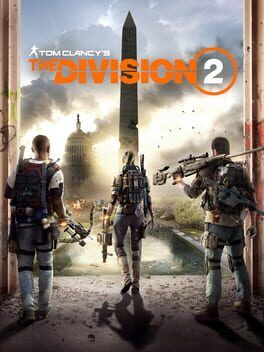
Before looking ahead, it is worth remembering where The Division 2 parked the series. Released in 2019, the sequel traded Manhattan’s blizzard for Washington D.C.’s humid summer. It expanded on the original’s buildcraft and endgame with more coherent specializations, raids and a broad arsenal of loot. Over time, it also introduced new modes and seasons that kept its core community busy, even as the broader audience drifted toward other live-service giants.
Critically, The Division 2 became a kind of long-tail experiment for Ubisoft. Rather than rushing to a third game, Massive kept updating the sequel years after launch. The announcement of The Division 2: Survivors, a major update planned for 2026, underlines how far that support is going to stretch. Survivors is set to coincide with the game’s 10th anniversary window and will introduce an extraction-focused mode plus sweeping changes to the Washington map, including a full-on blizzard that transforms the city’s look and feel.
That timeline matters. If Survivors lands in 2026 and The Division 3 is already in production, then Ubisoft is effectively overlapping a late-life mega-update with early hype for the next flagship. It signals a desire to maintain continuity of play and progression so that existing agents are not abandoned while still creating room for a clean starting point later in the generation.
Heartland and the growing Division universe
The Division is no longer a simple sequence of numbered games. Ubisoft has spent years trying to broaden the brand with mobile and free-to-play experiments. The most prominent of these is The Division Heartland, a free-to-play offshoot that aimed to blend survival-style extraction tension with the series’ tactical gunplay in a small-town America setting.
Heartland’s bumpy path, with tests and silence rather than a confident, clear launch, has turned it into a kind of cautionary tale about how tricky it is to graft The Division’s systems onto a different business model. For The Division 3, that history looms large. Ubisoft has seen first-hand how sensitive the community is to monetization shifts, how hard it is to tune extraction and survival mechanics for both solo and squad play, and how quickly enthusiasm cools if the communication is vague.
Taken together, The Division 2’s long-tail support and Heartland’s struggles illustrate the stakes for a full-fat sequel. The Division 3 cannot just be an incremental content bump. It needs to feel like a confident reset of the brand’s core fantasy while learning from every detour the series has taken.
The big question of setting
Whenever The Division comes up, setting is one of the first things players debate. The snowstorm-stricken New York of the first game is still held up as iconic. Washington D.C. in The Division 2 offered more color, variety and summer light, but it never replaced the original’s mood in the community’s imagination.
Gerighty’s “impact like Division 1” line naturally invites speculation that The Division 3 might chase a similarly striking backdrop. It could mean a return to Manhattan in a new season or state of decay, or a fresh metropolis that can carry a strong visual identity of its own. There is also the question of how the pandemic narrative evolves. The franchise has always walked a fine line between speculative fiction and uncomfortable real-world echoes, and by 2026 the appetite for another viral-outbreak storyline may be even more complicated.
For Ubisoft, the setting is not just about art direction. It dictates mission design, how vertical the combat spaces can be, how the Dark Zone equivalents are structured and how environmental storytelling sells the fall and attempted rebirth of society. A “monster” Division 3 would likely need a location that feels as instantly legible and oppressive as snowbound New York did in 2016, without simply repeating it beat for beat.
Live service in 2026: lessons and expectations
By the time The Division 3 arrives, the live-service genre will be a decade older than when the original launched. Destiny will be deep into its next phase, extraction shooters will be everywhere and players will be savvier than ever about battle passes, seasonal models and paid expansions. That puts Ubisoft in a tricky spot. The Division 2’s seasonal structure and expansion cadence have shown that the franchise can sustain a loyal audience, but it has not been the sort of cultural juggernaut that flattens the competition.
The question hanging over The Division 3 is what kind of live-service backbone it adopts. A straight continuation of seasons and paid expansions might feel safe but stale. A more aggressive push into free-to-play elements could trigger backlash from players still wary after Heartland’s experimentation. The sweet spot is likely a premium base game with robust, fairly priced expansions and a cosmetic-heavy monetization layer that does not intrude on buildcraft.
On the systems side, the sequel will be judged on how approachable its loot and build systems are on day one. The Division 2’s depth was praised by hardcore players, but its layers of gear sets, exotics, recalibration and talents could be daunting for newcomers. If The Division 3 wants the broad impact Gerighty is targeting, it will have to walk a line between complexity and clarity, making it easy to understand why you equip a piece of armor without flattening the long-term theorycrafting that keeps people grinding.
PvE, PvP and the eternal Dark Zone dilemma
No conversation about The Division is complete without talking about the Dark Zone. The original game’s semi-contained PvPvE spaces, where players could either cooperate for high-end loot or betray each other and go rogue, became synonymous with the series’ identity. The Division 2 reworked and expanded on that idea with multiple Dark Zones and structured conflict modes, but community sentiment has often suggested that the magic never quite hit the same highs.
For The Division 3, the balance between PvE and PvP is a core design question. The series’ most consistent engagement has come from cooperative players who treat it as a story-driven looter shooter first and a competitive arena second. Yet the Dark Zone and broader PvP are vital for giving the game tension, drama and social unpredictability.
If Gerighty’s “monster” is going to roar, it will likely do so through a reinvention of how The Division handles player interaction. That might mean more dynamic, opt-in social friction in the open world rather than siloed PvP zones, or it could mean a dramatic rethink of extraction and rogue mechanics to reward risk without encouraging griefing. However Massive approaches it, clarity will be key. Players burned by opaque rogue rules or uneven matchmaking in previous games will want to see exactly how and why they are risking their hard-earned loot.
Looking ahead to a new generation of agents
In practical terms, The Division 3 is still a mystery. Ubisoft has not committed to a release window, shown a screenshot or sketched out a roadmap. What it does have is a veteran producer talking confidently about recapturing the lightning that struck in 2016 and a studio with years of iterative experience on the formula.
By the time the sequel actually lands, The Division 2 will be a decade old and its Survivors update will have served as both a farewell tour and a bridge to whatever comes next. Heartland’s lessons, for better or worse, will have filtered through Ubisoft’s thinking on monetization and extraction design. The market will be packed with rival looter shooters and survival hybrids, but there is still room for a tactical, cover-based RPG shooter with a strong sense of place and a clear identity.
Gerighty’s promise of a “monster” with first-game impact sets expectations sky high. The Division 3 will need a standout setting, a modern but respectful live-service structure and a bold answer to the Dark Zone question if it wants to earn that label. Until Massive is ready to show more, all players can do is keep an eye on Washington’s looming blizzard and wait to see what kind of storm the next generation of agents will be walking into.